The victories of staunchly anti-Israel progressive Democrats, including Abdul El-Sayed in Michigan's Senate race and Darializa Avila Chevalier in a New York House race, have given some of Israel's fiercest critics a new foothold in Congress. But alongside them, longtime supporters of the US-Israel alliance and candidates seeking to preserve it, albeit from a more critical perspective, also won. For Israel, the challenge now is how to work with the new congressional majority and strengthen its moderate voices.
In July, months before the elections, nearly half of House Democrats supported a measure to cut off US military aid to Israel. According to Roll Call, the Congressional Progressive Caucus now expects to gain at least 25 new members, while at least 22 candidates endorsed by the moderate Blue Dog Coalition's political action committee also won their races.

"The overwhelming majority of Democrats genuinely see Israel as a partner," Rotem Oreg-Kalisky, founder and director of LIBRAEL, an organization promoting support for Israel among American liberals, told Israel Hayom. Oreg-Kalisky is currently holding a series of meetings on Capitol Hill.
That support, he explained, stems less from the two countries' shared interests in confronting Iran and more from the belief that "Israel is a democracy committed to democratic values. When that commitment erodes, or appears to be eroding, it damages the relationship."
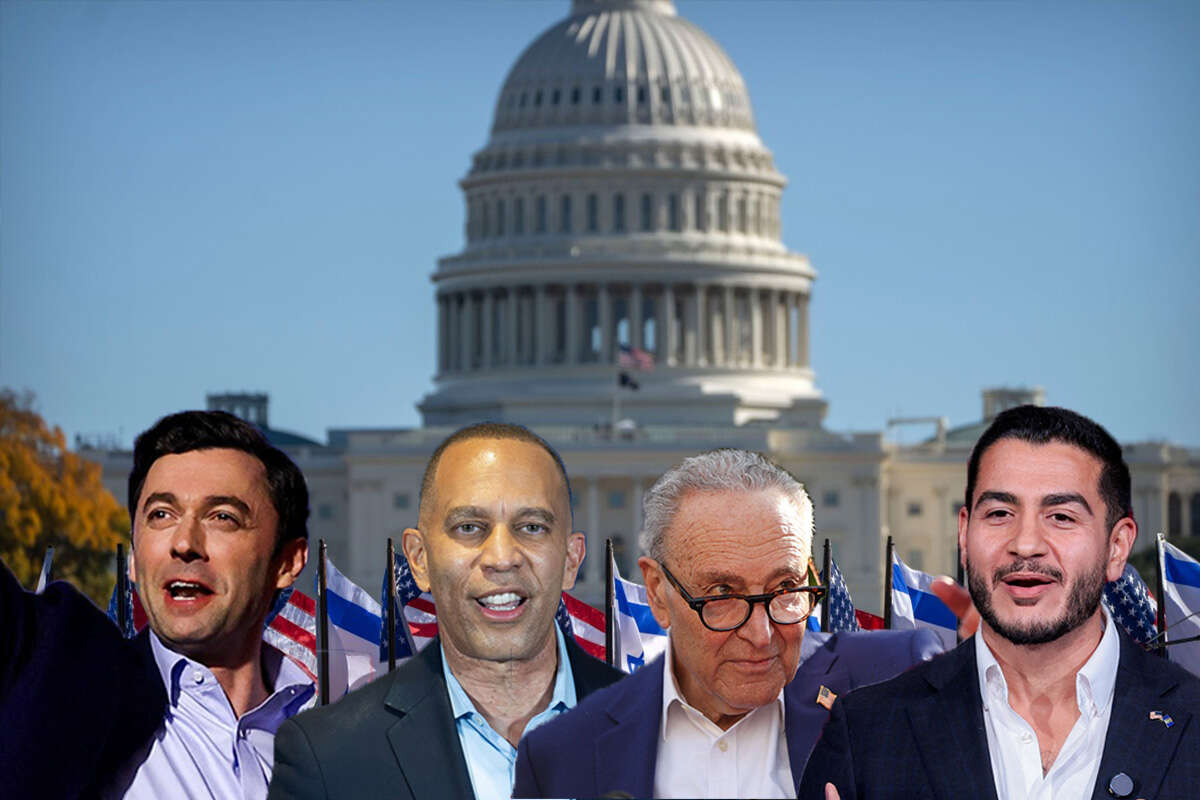
Oreg-Kalisky warned against relying solely on familiar allies and urged Israel to engage with lawmakers who have been critical of its policies. The likely next speaker of the House, Hakeem Jeffries, and Senate Democratic leader Chuck Schumer are both "staunch friends of Israel," he said. But "I think it's much more important to pay attention to names like Jon Ossoff and James Talarico," whose positions on Israel are "far more nuanced."
The silver lining
Lenny Roth, a longtime donor and activist with the American Israel Public Affairs Committee (AIPAC) and other pro-Israel organizations, believes the scale of the Democratic victory could actually weaken the party's anti-Israel wing.
"Given the blue wave we've just seen, a decisive Democratic majority is preferable because it weakens the extremists' power within the party," he said. With such a large majority, he explained, Democrats will not have to depend on the vote of a hard-line figure such as El-Sayed.
Indeed, the candidates most hostile to Israel generally delivered lackluster performances compared with their more moderate counterparts. That offers Israel some encouragement, both because American voters were less receptive to the hard-liners and because the Democratic landslide cannot be credited primarily to them.
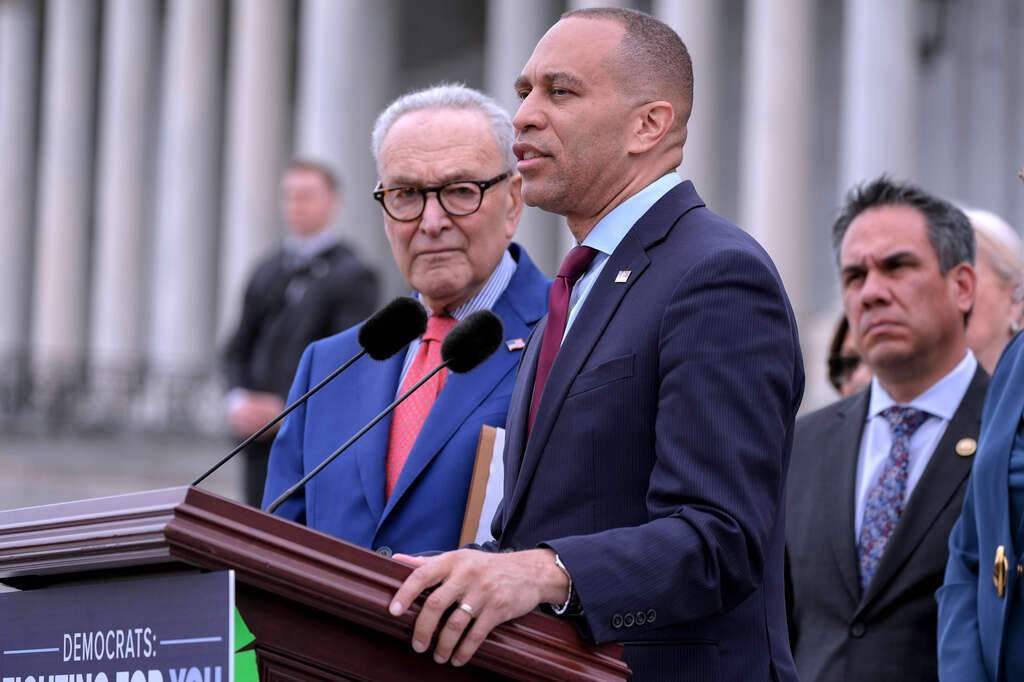
"Hakeem Jeffries is pro-Israel. He's demonstrated that time and again," Roth said. "Anyone who wants to become speaker of the House for today's Democratic Party has to moderate their public positions, but he's certainly considered a moderate and a supporter of Israel."
In July, Jeffries opposed the measure to halt military aid to Israel, while also criticizing the humanitarian situation in Gaza and Prime Minister Benjamin Netanyahu's government. His position illustrates how support for the alliance can coexist with criticism of Israel's government.
AIPAC, Washington's leading pro-Israel lobbying organization, stressed that support for Israel remains bipartisan. The organization reported that more than 250 candidates backed by its members had already won their races and explicitly congratulated Jeffries and Schumer.
The next test: 2028
Ossoff has been mentioned as a possible White House contender, although he has denied any interest in running. So has Pennsylvania's Jewish governor, Josh Shapiro, who won re-election in a state that Donald Trump carried in 2024.
Roth believes the Democratic presidential contest will be decided between two competing approaches: "The moderate wing, represented by people like Josh Shapiro, and the progressive wing, represented by people like El-Sayed."
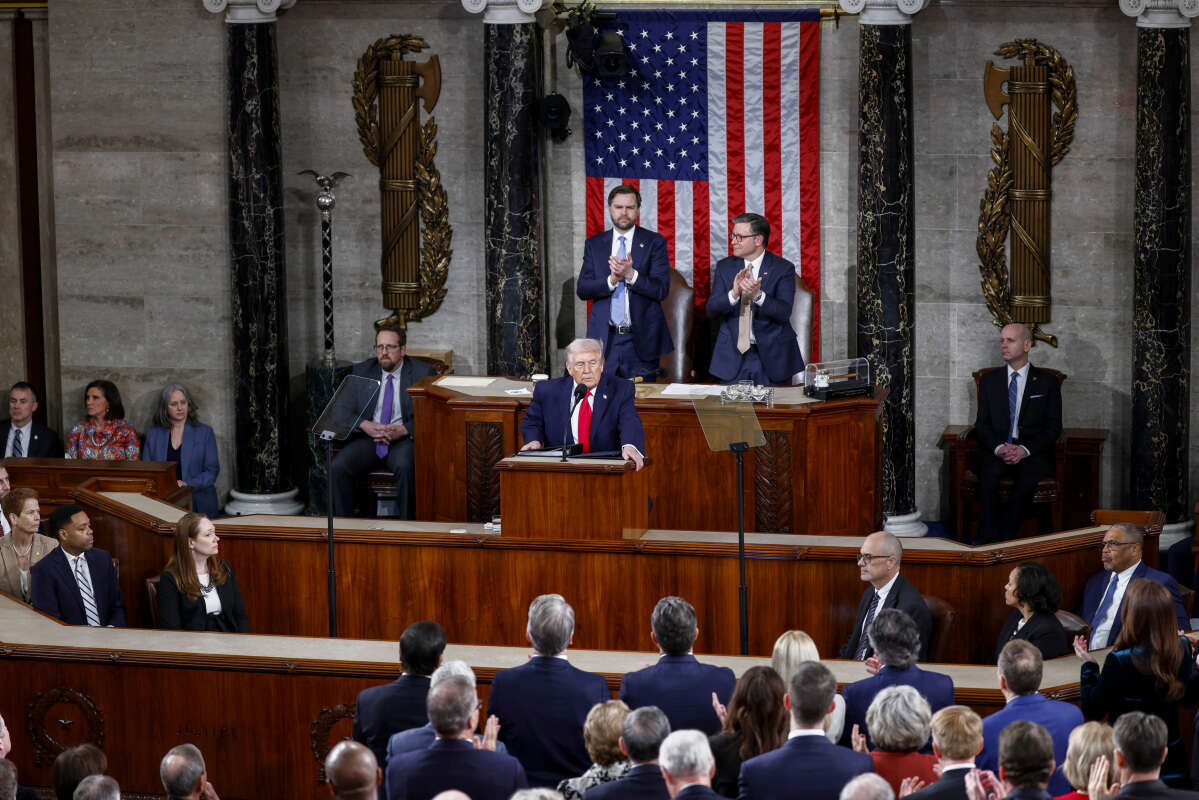
Nor can Israel afford complacency on the Republican side. Following his party's defeat, Vice President JD Vance identified changing the relationship with Israel as one of the demands voiced by voters who had abandoned the Republicans, alongside ending the war with Iran and addressing the cost of living.
Roth believes Vance's remarks could actually benefit pro-Israel Secretary of State Marco Rubio and moderates within the conservative camp.
"Rubio and DeSantis applauded that statement because it could actually increase their support among Republicans," Roth said.
Turning to the Iran war, he added: "You can debate whether the war was successful, but you can't deny that the attempt to reach memorandums of understanding with the Iranians was a total failure. And it was Vance who tried to negotiate them."
Rubio, meanwhile, denied that he intended to leave the administration following the election defeat, but declined to discuss a possible presidential run in 2028.
The case for listening
Oreg-Kalisky believes Israelis need to understand what lies behind criticism of their country, even when that criticism is particularly harsh.
Speaking about members of Congress who accuse Israel of war crimes, he said: "We shouldn't shut them out or condemn them." Instead, he argued, "What we need to do is sit down with them and understand what they're basing those claims on. Are they working with incorrect information? Does it have to do with their worldview?"
He pointed to Democratic Rep. Sara Jacobs of California as an example.
"She usually votes against weapons shipments to Israel, but my experience has taught me that she's very willing to listen," Oreg-Kalisky said. "When you explain Israel's objectives to her and how they align with liberal values, she's capable of changing her mind and sometimes even voting in favor."
Even when confronted with deeply critical positions, he stressed, Israelis must continue seeking potential partners.
"Our responsibility is not to be intimidated by this, but to identify the people we know we can work with, even when they're tough on us, and make the most of those relationships."
Alongside outreach in Washington, Oreg-Kalisky believes changes are also needed within Israel itself.
"It can't just be a change in rhetoric or a change in leadership," he warned. "The most fundamental issue, and something I heard in every meeting, is the need to seriously address nationalist violence in Judea and Samaria."
At the same time, he has sought to explain to American lawmakers why putting pressure on Israel is not enough.
"The Israeli public has moved to the right. Israelis are suspicious and pessimistic about the Palestinians and about peace," he said.
His message to his American counterparts is straightforward: "You're going to have to embrace us, not punish us."