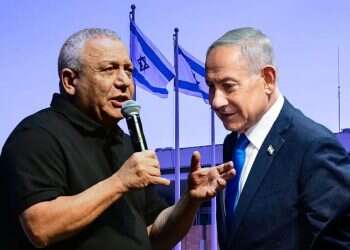
The seven external fronts that Israel faces all diminished in significance this weekend compared to the one truly threatening front: the internal one.
The statements and hints from government ministers, led by Prime Minister Benjamin Netanyahu, that they would not comply with the Supreme Court's order to refrain from dismissing Shin Bet head Ronen Bar until the matter is resolved, went far beyond crossing a red line. They challenged a fundamental democratic principle: obedience to the rule of law.
Although many ministers rushed to clarify that there would be no civil war in Israel, their actions and words have effectively initiated such a conflict. The blatant and deliberate attack on the rule of law was a declaration of war, even if not accompanied by live fire. And when it's coupled with a relentless effort to dismantle democracy – in the coming week by advancing the dismissal of the government's legal advisor and voting on changing the composition of the Judicial Selection Committee – it's clearer than ever that Israel is now fighting for its character, its future, and its right to continue being called a "democracy."
Devastating consequences
This war is currently being waged in the Knesset, in public squares, and on social media, but its devastating consequences will soon reach critical places. The first will be the IDF. In recent days, there have been initial signs of reservists announcing they will no longer report for duty. The IDF quickly responded that it would immediately part ways with them, but it's doubtful this approach can be maintained when the numbers rise to hundreds and thousands.
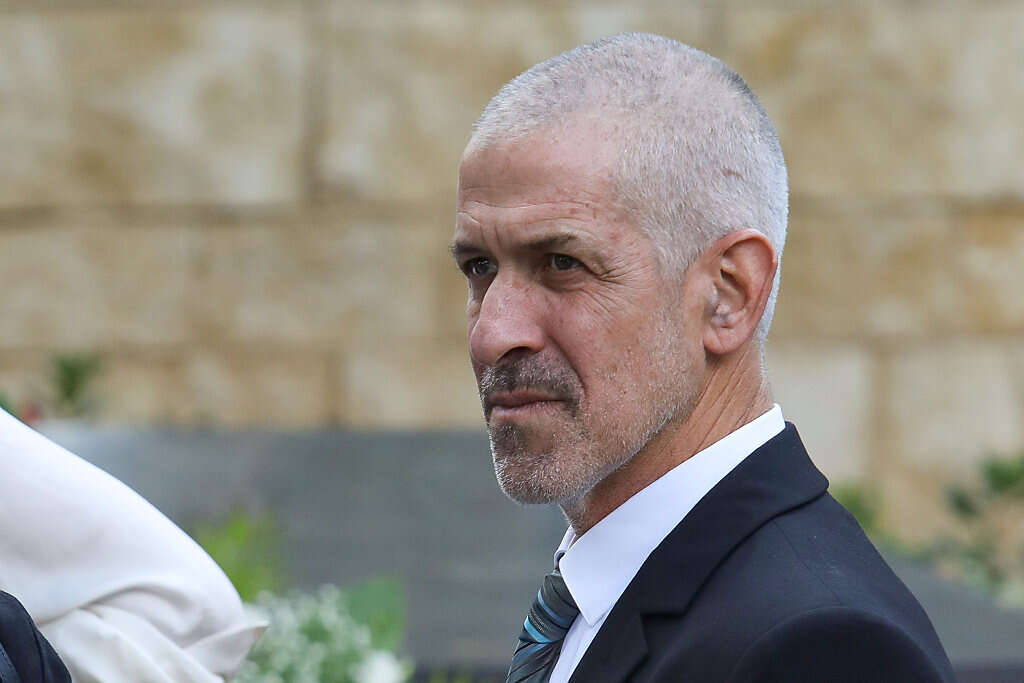
Arguments against refusal, which held water until Oct. 7, will no longer be relevant – both because reservists have since shown up with unprecedented intensity while the government has returned to dismantling democracy, and because prominent government representatives like Prof. Talia Einhorn openly declare that "the police are no longer in their hands, the army is no longer in their hands, and the Shin Bet will soon not be in their hands."
Einhorn is a member of the Advisory Committee on Senior Appointments, which may be required to discuss Bar's case and the identity of his replacement. She is also the mother of Israel Einhorn, who is wanted for questioning regarding suspected involvement in the case of document theft from the IDF and is apparently also connected to the "Qatargate" case currently under investigation.
This case, which is at the heart of the decision to dismiss Bar, was not mentioned Thursday night by any of the ministers who supported his firing. From their perspective, it seems, it's acceptable for Qatar to run an influence operation in the Prime Minister's Office and pay his associates, and it's also acceptable for such a case not to be investigated.
Political leadership falters
Netanyahu hinted in the dismissal meeting that Bar knew about the expected attack and didn't report it to him. Beyond the fact that this claim is false, Netanyahu is essentially alleging betrayal by the Shin Bet head – and if so, one must wonder why he didn't fire him during 17 months of war, allowing him to continue safeguarding Israel's most sensitive security matters. The other allegations he made against him in the meeting and in the video he released were unfounded, especially those related to negotiations for the release of hostages. In terms of results, the Bar-Barnea team produced an agreement that returned 33 hostages to Israel, while the new team led by Netanyahu's associate, Minister Ron Dermer, has so far delivered nothing.
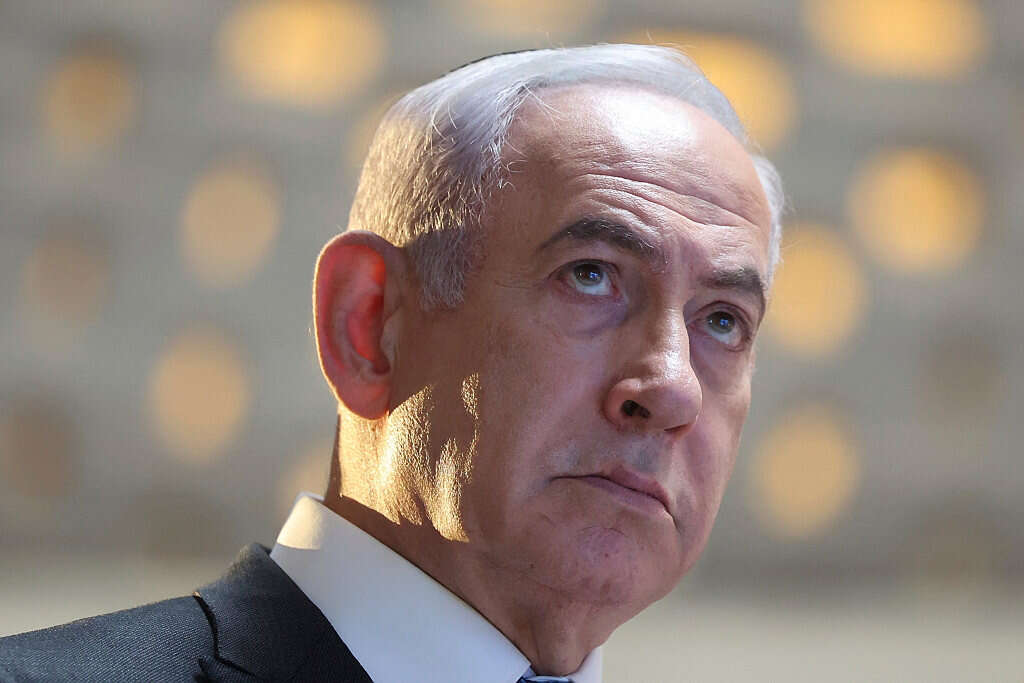
In this context, the United States' Special Envoy to the Middle East Steve Witkoff was accurate when he stated that Netanyahu is acting against the will of the Israeli public regarding the hostages. He does this in other issues as well, such as the draft exemption law and his refusal to establish a state commission of inquiry – but the hostage issue is the most critical. The limited operation that the IDF launched in Gaza was explicitly intended to advance the chances of an agreement, but while the IDF is fulfilling its part – the political leadership is avoiding the "complementary step" that would bring about the release of more hostages, justifying this by claiming there is no partner on Hamas' side.
This deadlock may lead the IDF to intensify fighting in the coming weeks, including extensive reserve mobilization. It's unclear how Hamas can be defeated while hostages remain in Gaza, and the government continues to evade the question of what will happen in Gaza after Hamas. These questions, which have accompanied Israel since the first day of the campaign, remain relevant today, and alongside them, the country is again dealing with active fronts in Yemen, Syria, Iran, and the West Bank, and as of this past weekend, in Lebanon as well.
Yesterday's rocket fire toward Metula in northern Israel (still unclear who was behind the attack) was an attempt to reignite the northern front. The Lebanese government rushed to clarify that it has no interest in this, and it seems that Hezbollah also prefers quiet, but Israel owes answers primarily to its own residents, who were instructed to return to their homes at the beginning of the month and now find themselves again in a combat zone. The IDF did well to seize the opportunity to strike targets for which intelligence had been gathered since the ceasefire. Still, those who deluded themselves that the various fronts are disconnected from each other were proven wrong once again – as evidenced by the missiles fired from Yemen in recent days.
In a normal situation, in a normal country, these security challenges would be sufficient reasons to seek stability and internal solidarity. The Israeli government is doing the opposite: it is taking more extreme positions and actions, and exploiting the fighting to sow division and deepen rifts. This is a destructive recipe that brings Israel to the brink of the abyss and gives its enemies victory.