Israel Hayom is a media organization founded on the belief that the Israeli public deserves better journalism—more balanced, more accurate, and more reliable. Journalism that speaks rather than shouts. Journalism that is trustworthy, objective, and matter-of-fact. A different kind of journalism, offered free of charge. The first print edition was published on July 30, 2007, and in 2010 Israel Hayom became the Israeli newspaper with the highest weekday readership. The newspaper’s publisher is Dr. Miriam Adelson. Its Editor-in-Chief is Omar Lachmanovitch, and its founding editor is Amos Regev. Israel Hayom’s Hebrew and English websites, as well as its Android and iOS applications, provide around-the-clock news coverage, exclusive content, breaking news and updates, analysis and commentary, video, podcasts, and live broadcasts. The digital platforms of Israel Hayom include news and opinion channels covering culture and entertainment, lifestyle, technology, sports, business and consumer affairs, health, military affairs, food, Judaism, tourism, and automobiles. In 2021, a new Hebrew-language website and mobile application were launched to provide users with a fast, up-to-date, secure, and convenient experience. The content of the newspaper’s print edition is also available online through a daily digital edition and can be received via newsletter. “The Israel Hayom Clique,” the publication’s exclusive benefits club, offers website users discounts and special promotions on products and services. Israel Hayom welcomes feedback, criticism, and suggestions for improvement from its readers. You can contact the organization by email at hayom@israelhayom.co.il

Wednesday Jul 1, 2026
NEWSLETTER
www.israelhayom.com
  • Home
  • News
    • Israel
    • Israel at War
    • Middle East
    • United States
  • Opinions
  • Jewish World
    • Archaeology
    • Antisemitism
  • Lifestyle
    • Food
    • Travel
    • Fashion
    • Culture
  • Magazine
    • Feature
    • Analysis
    • Explainer
  • In Memoriam
www.israelhayom.com
  • Home
  • News
    • Israel
    • Israel at War
    • Middle East
    • United States
  • Opinions
  • Jewish World
    • Archaeology
    • Antisemitism
  • Lifestyle
    • Food
    • Travel
    • Fashion
    • Culture
  • Magazine
    • Feature
    • Analysis
    • Explainer
  • In Memoriam
www.israelhayom.com
Home News Israel Israel at War Iran War

Regime feels economic squeeze as talks to end war stall

Iran is nearing the limits of its economic and military capacity, but internal divisions and stalled contacts with the US are delaying any settlement. In the background, the economic crisis is worsening and the regime is under heavy pressure.

by  Danny Zaken
Published on  03-29-2026 23:18
Last modified: 03-30-2026 00:01
Regime feels economic squeeze as talks to end war stall

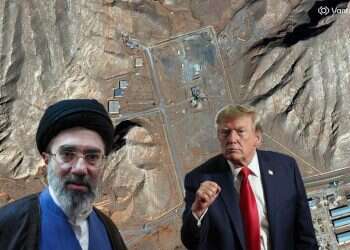
Trump and Mojtaba Khamenei. Photo: Getty Images

Share on FacebookShare on Twitter

Iran's economic and military situation indicates that even if the war were to end now, the regime has been badly battered and is on the verge of collapse. At the same time, the continued fighting, and this may be the reason behind President Donald Trump's extension of the ultimatum, is pushing Iran toward the limits of its economic and military capacity, but will not necessarily bring down the regime. That is the assessment of a senior political-security official, who said the current pattern of sustained attrition, alongside the possibility of US action and limited Iranian fire, is expected to continue for at least another week.

According to the official, even if moderate elements in the Iranian government try to advance negotiations, the gaps between the sides remain. Only if the regime feels it is close to collapse, it might it agree to concessions.

A regional diplomatic source added that there is a significant gap between reports about the contacts and the reality on the ground, and that many of those reports exaggerate Iran's position, which is far removed from its actual condition. According to the source, Iran has conveyed partial and at times contradictory responses, apparently because of internal disputes between the political echelon, President Masoud Pezeshkian and Foreign Minister Abbas Araghchi, and senior Islamic Revolutionary Guard Corps officials, led by Ahmad Vahidi, who is currently seen as the strongest man in Iran. Parliament Speaker Mohammad Bagher Ghalibaf was also involved in the contacts, and the delay in an official response stems mainly from those disagreements.

Among the demands raised by Iran were the removal of some sanctions during the negotiations and a partial reopening of the Strait of Hormuz in exchange for a ceasefire. Those demands were rejected, but limited passage for oil tankers and cargo ships, mainly to India and China, was approved. Indian Prime Minister Narendra Modi also reached an arrangement to purchase oil from Iran with the Americans' knowledge and quiet consent. Even so, it remains unclear why Washington is also allowing oil shipments to China, despite a significant military presence in the region that would make it possible to stop them.

One possible explanation is a desire to influence global oil prices, alongside additional steps taken by the Trump administration to increase supply, including easing restrictions on exports from Russia.

The international coalition negotiating with Iran. Photo: Reuters, AP, AFP

At the same time, Iran's economy continues to weaken. Oil exports have fallen from more than 2 million barrels a day to about 1.2 million, and revenues have dropped accordingly, from about $3 billion in January to about $2 billion during the war. This is the country's main economic lifeline, and its economy was already in deep crisis.

According to reports, the regime is facing a severe cash shortage. Many public-sector employees have not been paid, banking services have been disrupted, and cash machines have run dry. Inflation has soared to about 120% a year, and the local currency has lost much of its value. Pezeshkian has even warned that the economy could collapse within weeks.

Another factor in the crisis is the freezing of Iranian assets abroad. A large share of the funds is held in China, but Iran is struggling to access it. Assets worth tens of billions of dollars are also being held in the United Arab Emirates and, according to reports, were effectively frozen after the Iranian strikes on civilian and oil facilities in the Emirates.

Sheikh Mohammed bin Zayed Al Nahyan, President of the United Arab Emirates. Photo: Reuters

Anwar Gargash, diplomatic adviser to the UAE president, made clear that any future agreement must include compensation from Iran. "There is no escaping a political solution that includes guarantees to prevent attacks and compensation for damage to infrastructure and civilians," he said.

Gargash added that Iran misled its neighbors before the war and displayed aggression that had been planned in advance, despite efforts to avoid a confrontation.
Tags: IranIran war

Related Posts

Trump faces four military options as US reinforces near Iran

US strikes Iran, which responds with fire toward the Gulf

by ILH Staff

The US struck a series of targets across Iran overnight. Iranian reports said air defense systems had been activated and...

How Israel and the US can finally topple the Iranian regime

US strikes Iran in response to helicopter downing

by ILH Staff

The US military said it had launched a wave of strikes in Iran in response to Tehran’s downing of a...

IDF reveals Iran's plan for Passover never fully materialized

Iran: We will hold fire unless Israel attacks Lebanon or Iran

by Neta Bar

The Khatam al-Anbiya Central Headquarters of Iran’s armed forces announced it was holding its fire. “If the wicked acts of...

Menu

Analysis 

Archaeology

Blogpost

Business & Finance

Culture

Exclusive

Explainer

Environment


Features

Health

In Brief

Jewish World

Judea and Samaria

Lifestyle

Cyber & Internet

Sports


Diplomacy 

Iran & The Gulf

Gaza Strip

Politics

Shopping

Terms of use

Privacy Policy

Submissions

Contact Us

About Us

The first issue of Israel Hayom appeared on July 30, 2007. Israel Hayom was founded on the belief that the Israeli public deserves better, more balanced and more accurate journalism. Journalism that speaks, not shouts. Journalism of a different kind. And free of charge.

All rights reserved to Israel Hayom

Hosted by sPD.co.il

  • Home
  • News
    • Israel at War
    • Israel
    • United States
    • Middle East
    • Sports
  • Opinions
  • Jewish World
    • Archaeology
    • Antisemitism
  • Lifestyle
    • Food
    • Travel
    • Fashion
    • Culture
  • Magazine
    • Feature
    • Analysis
    • Explainer
    • Environment & Wildlife
    • Health & Wellness
  • In Memoriam
  • Subscribe to Newsletter
  • Submit your opinion
  • Terms and conditions

All rights reserved to Israel Hayom

Hosted by sPD.co.il

Newsletter

[contact-form-7 id=”508379″ html_id=”isrh_form_Newsletter_en” title=”newsletter_subscribe”]

  • Home
  • News
    • Israel at War
    • Israel
    • United States
    • Middle East
    • Sports
  • Opinions
  • Jewish World
    • Archaeology
    • Antisemitism
  • Lifestyle
    • Food
    • Travel
    • Fashion
    • Culture
  • Magazine
    • Feature
    • Analysis
    • Explainer
    • Environment & Wildlife
    • Health & Wellness
  • In Memoriam
  • Subscribe to Newsletter
  • Submit your opinion
  • Terms and conditions

All rights reserved to Israel Hayom

Hosted by sPD.co.il