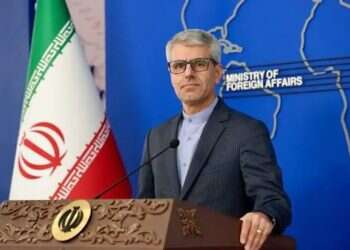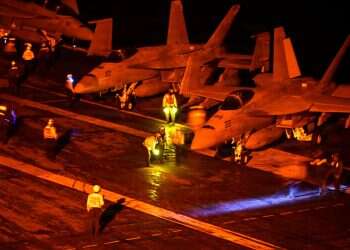
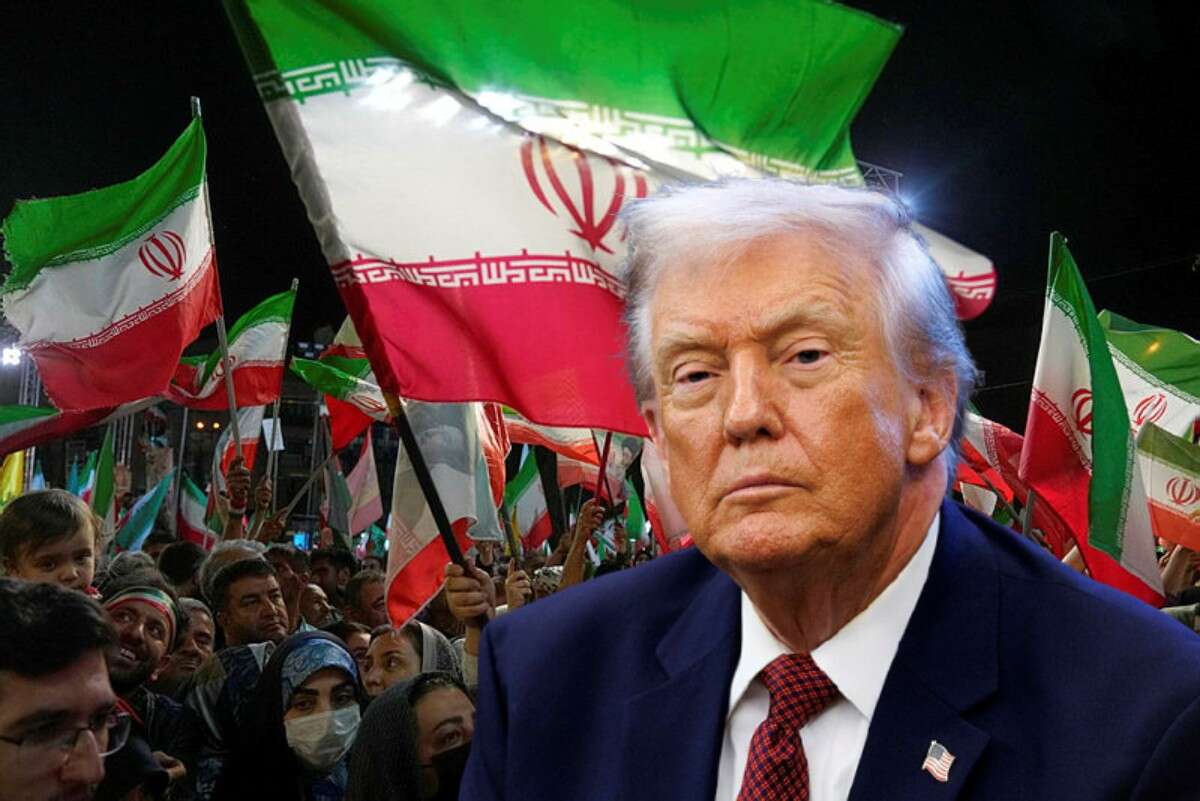
Tehran has been taking steps for a possible atomic bunker-busting assault by Donald Trump following electoral fallout, according to the Times of London.
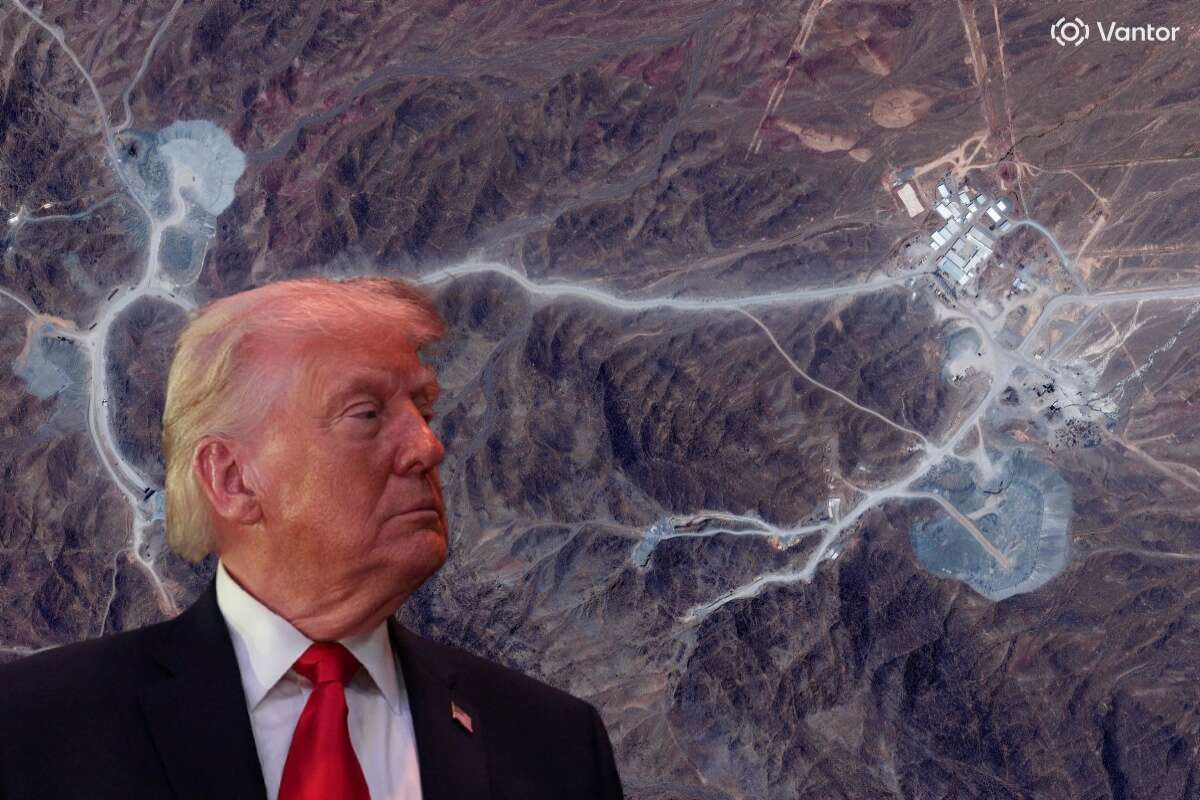
Digital clips spreading across local networks reveal deep government fears regarding a potential bombardment ordered by the US president against Pickaxe Mountain, which supposedly houses elite nuclear scientists. Located about one mile south of the Natanz enrichment hub, the stronghold seems invulnerable to standard weapons.
Seemingly preparing residents for an atomic blast targeting the facility, footage analyzed by The Times prompts viewers to visualize a detonation before revealing estimated ranges to regional hubs: 17 miles to Natanz, 25 miles to Kashan, 117 miles to Isfahan, and 223 miles to Tehran. According to The Times, the broadcast then issues clear safety guidelines warning: "Get inside, stay inside and listen for updates."
Such an assault could launch immense amounts of irradiated debris into the air, allowing strong winds to scatter lethal dust for hundreds of miles. The video warns that immediate neighbors might only have ten to 15 minutes to take shelter, whereas further communities might have hours.
Physical actions taken by the government also compound public panic. Health workers recently began dispensing radiation pills to villages bordering atomic sites. "Yes, we are distributing iodine," a medical official told The Times. "During every war, we have tried to distribute it within a two-to-three-kilometre radius of nuclear facilities. Trump can no longer be trusted. He may go through with this crime."

A domestic political reporter noted that spokespeople recently briefed journalists about the genuine possibility of a US atomic strike on the mountain. Orbital pictures display a widening security zone, inner roads, and four protected tunnel entrances.
Security analysts cited by the UK outlet believe the installation drops 80 to 100 meters (262 to 328 feet) into the earth. This extreme depth surpasses other atomic venues, making it exceptionally resilient against standard bunker-busting bombs deployed by Washington.
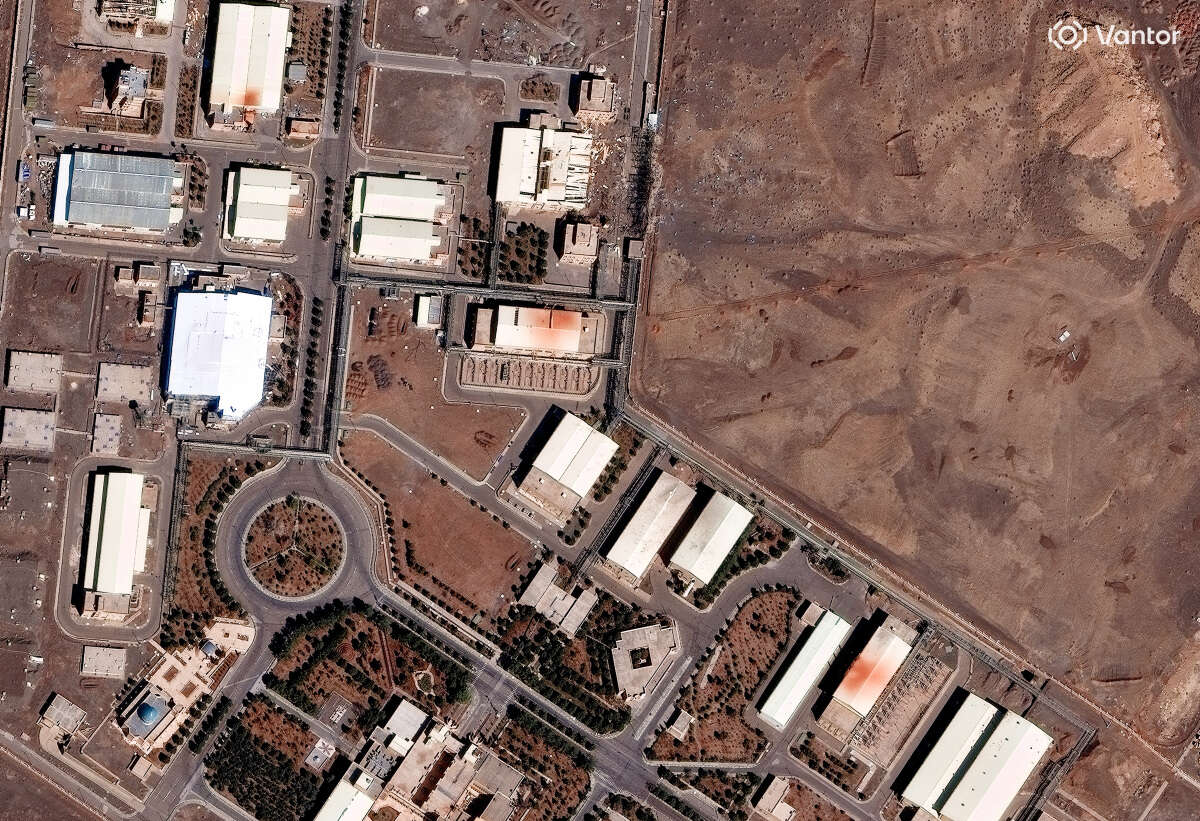
Exact details regarding the internal layout remain strictly classified by state defense bodies. International Atomic Energy Agency inspectors are barred from entry, and satellite feeds cannot confirm the presence of enriched uranium. The location became widely recognized in September 2020 after an explosion leveled an above-ground centrifuge factory at Natanz.
Following that disaster, former Atomic Energy Organization chief Ali Akbar Salehi declared that building had commenced on a "more modern, larger and more comprehensive" base inside a nearby peak. Soon after, intelligence detected excavation and tunnel preparations south of Natanz.
State officials insist the new subterranean complex simply replaces the destroyed 2020 workshop. Yet, its massive scale and defensive fortifications lead experts to suspect it could hold a full enrichment plant or secure nuclear stockpiles.

These remain unproven theories, as surveillance shows ongoing construction but no active uranium refinement. However, Donald Trump openly identified the base as a high-priority target during a July broadcast. "We're going to take out Pickaxe Mountain," the American leader stated. "Tell the Iranians to be ready."
Two months later, the president issued another stern warning. "We notice there's a little activity at Pickaxe. I would advise Iran not to get cute because we will have to hit them very hard," Donald Trump threatened.
Alarm bells rang louder this week following claims by conservative host Tucker Carlson. The commentator alleged that intense pressure from Israeli Prime Minister Benjamin Netanyahu might push the White House into launching a nuclear strike within days.

Conventional military options face severe limitations. Defense experts argue over whether the colossal GBU-57 Massive Ordnance Penetrator could effectively destroy the deeply buried granite chambers. Dropping such bombs might only seal the entrances and disable power systems without destroying the main base.
An expert linked to President Masoud Pezeshkian informed The Times that top regime officials view another conflict as inevitable, with the mountain acting as ground zero. "Everyone knows that very little time remains," the insider remarked. "If America does not use a nuclear weapon against Pickaxe Mountain, it will be a miracle."
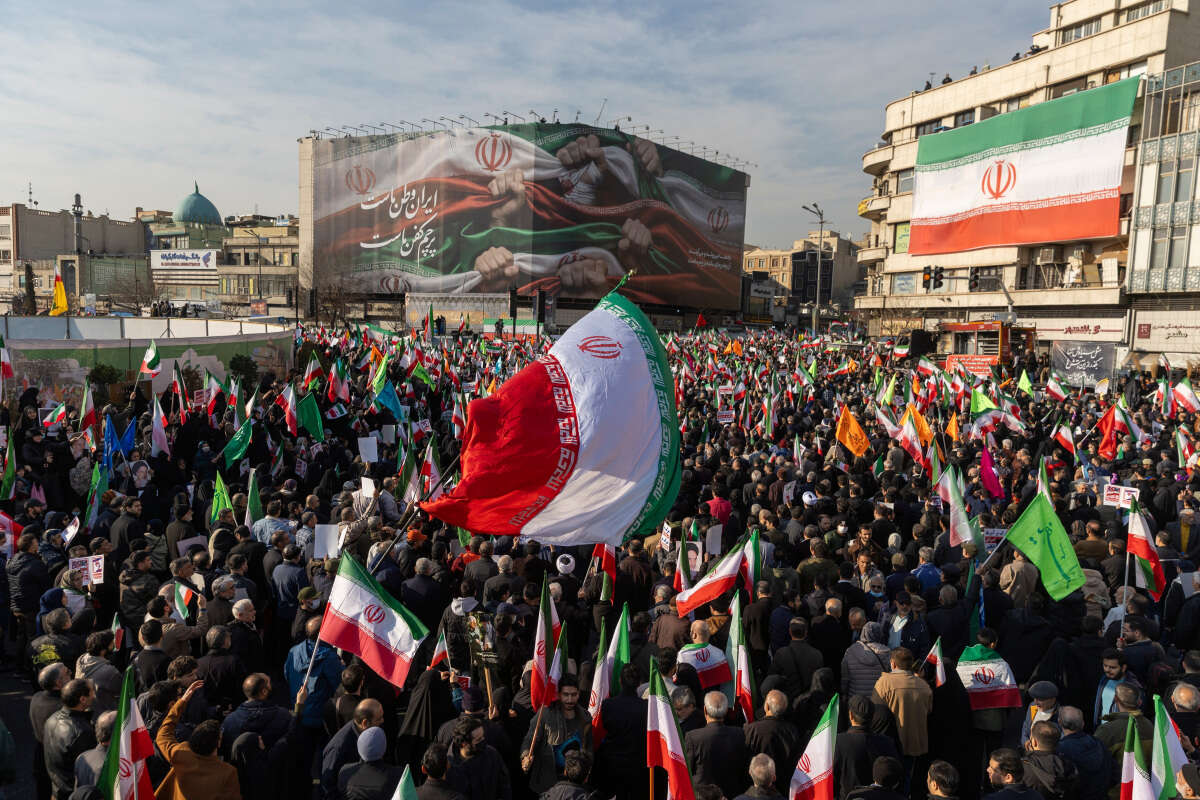
Sources demanded anonymity due to fear of state retribution. The insider explained that Trump's midterm losses, paired with Netanyahu retaining his premiership, terrified local leadership. "The regime believes it is now confronting angrier enemies who have only two years in which to act," the analyst noted.
Supreme National Security Council leader Mohsen Rezaei emerged as the primary contact for de-escalation efforts. Hoping to avoid wider warfare after blaming the conflict for Republican electoral failures, US Vice President JD Vance reached out to him via Qatari diplomats.

Entrusting a hardliner with diplomacy signals a grim outlook in Tehran, the expert concluded to The Times. "The fact that Mohsen Rezaei is directing the process shows that the regime is neither hopeful about the negotiations nor serious about them," the source said. "The conversation among senior figures is now about how to preserve the system after a possible nuclear attack and a third war.