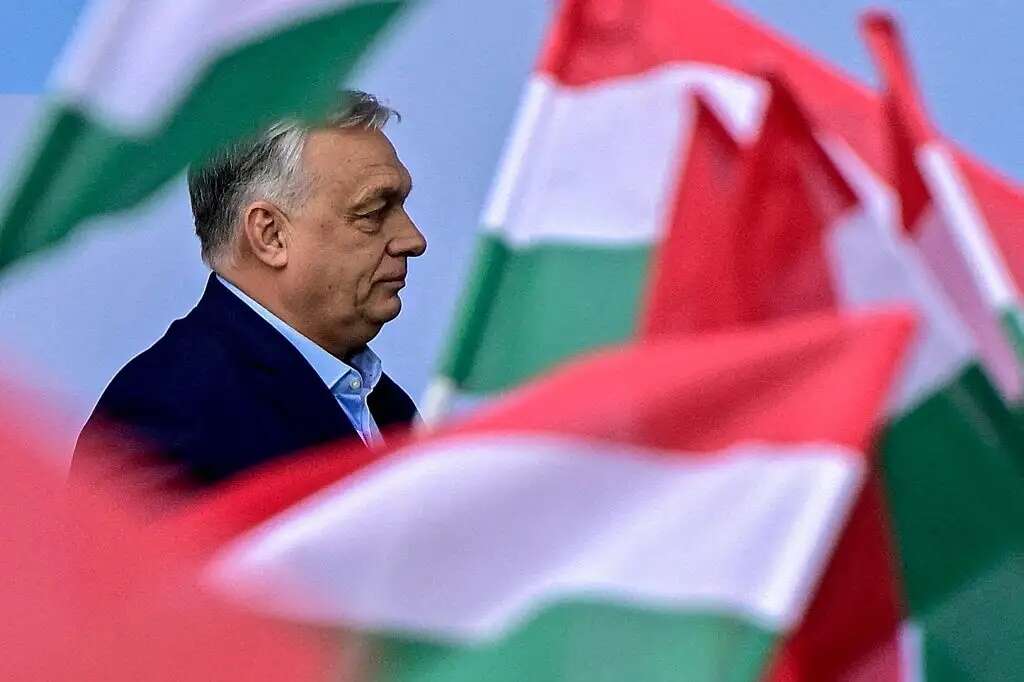
Hungarian Prime Minister Viktor Orban's public acknowledgment that he lost the election proves one thing beyond any doubt: he is not a "dictator."
His rivals hurled that accusation at him for years. But dictators do not hold free elections, do not allow serious opponents to run in them, and certainly do not gracefully concede defeat an hour after the polls close.
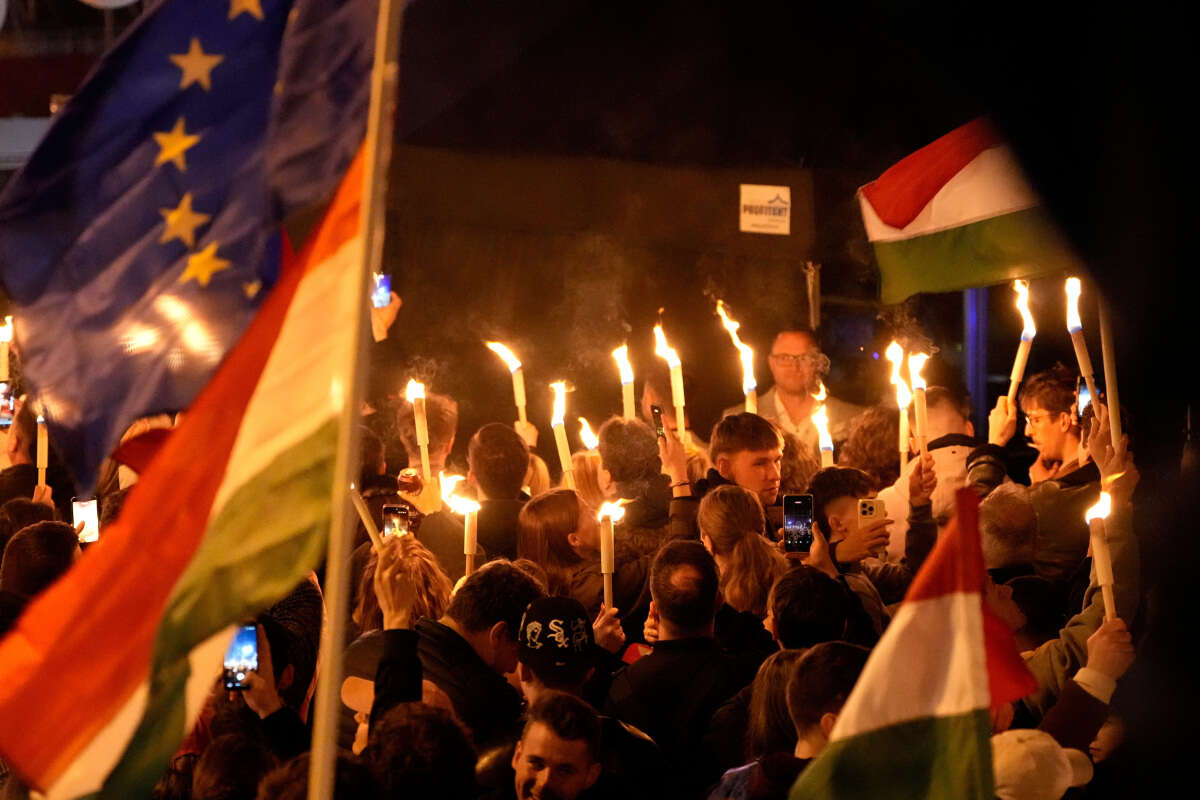
Orban, despite a decade and a half of smears by commentators claiming he suppresses free speech, takes over media outlets or is simply a "dictator," called his rival on election night and congratulated him on the victory.
The veteran prime minister did not deny the results, did not try to falsify them, did not send troops to suppress his opponents and did not cling to power. Instead of any of those patterns of behavior, common in dictatorships, the leader who began his career fighting communist oppression acted exactly according to the democratic playbook. That is how it should be.
Costly smear campaigns
"Dictator" is not the only lie Orban has faced over the past 15 years from global progressive circles. The other libel was that he is "antisemitic." About a decade ago, the European Union, the Neolog Jewish community, George Soros and others waged long and costly smear campaigns claiming that Orban was reviving age-old hatred of Jews in his country.
Here too, the truth was exactly the opposite: Orban's governments have been the strongest supporters of the Jewish community since the Holocaust. Jewish cemeteries were restored and preserved, the community regained buildings confiscated by the communists, and Holocaust studies were introduced into the education system. Orban also often speaks of the "Judeo-Christian alliance."

Most importantly, while Jews in Brussels, the capital of the European Union, live in fear, Hungary is one of the safest countries in Europe for our people.
Orban was one of Israel's allies in Europe. He went to the mat for us in European Union institutions and paid a heavy price for it. The truth is that the return he got from Netanyahu was not all that great. Even so, he stuck to his convictions and did so even while Israeli opinion shapers recycled the falsehoods that he was "antisemitic" and a "dictator."
The troubling silence
Clarifying what is true and what is false about Orban matters not because of the Hungarians' choice. They are, of course, entitled to choose whomever they want, based on whatever considerations they see fit. There is certainly a chance that Peter Magyar will be a successful prime minister. Why not?
Still, it is important for Israelis to understand, for three main reasons, that the story told about Orban for most of these years in most Israeli media outlets was false:
First, at a time when people in influential positions here were denouncing Orban, he was doing extraordinary things for the Jewish people and the State of Israel. He deserves our gratitude for that.
Second, the same opinion shapers who sold the Israeli public a bill of goods about Orban are bluffing on other issues too. Their domestic political position drives them, not a rational examination of the facts or the good of the State of Israel. In their eyes, Netanyahu is Orban's counterpart, and their contempt for the Israeli prime minister led them to vilify his Hungarian counterpart as well.
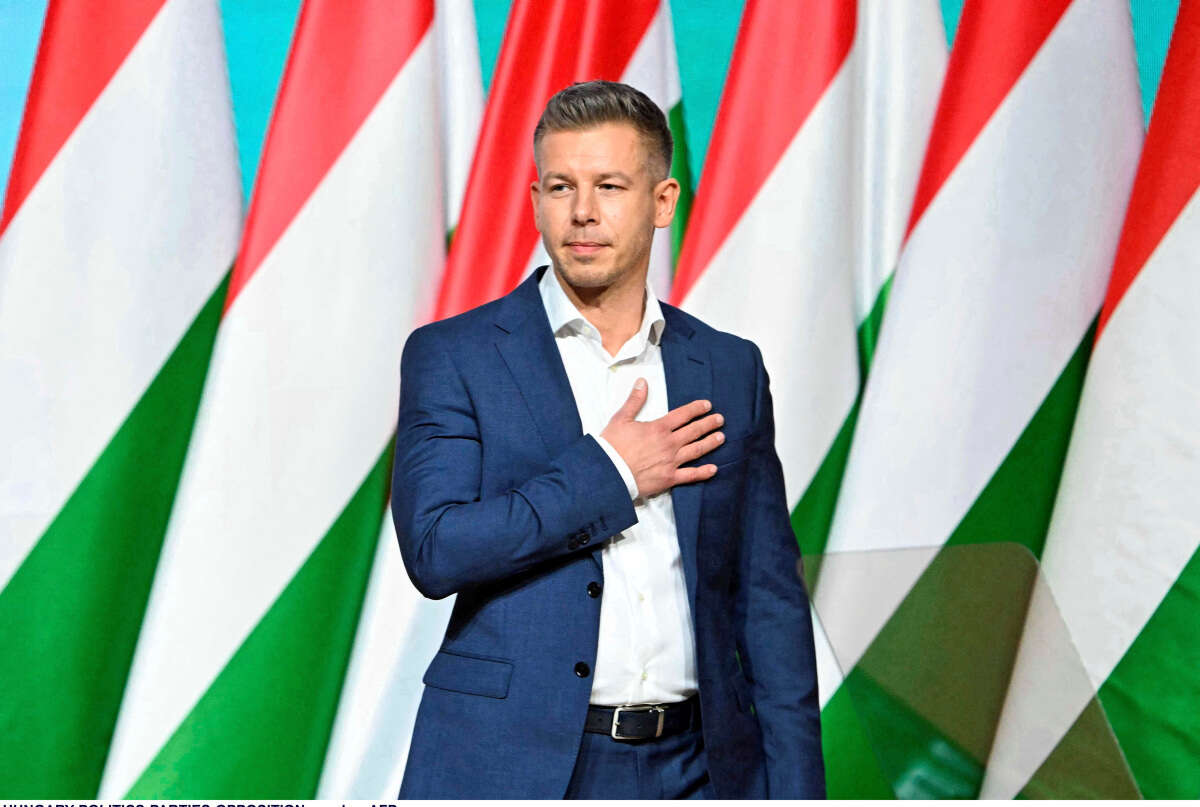
The Israeli public needs to understand that this is the distorted lens through which so many opinion leaders see reality and present it to the people of Zion.
Third, I hope I am wrong, but it is hard to believe that Hungary's next prime minister, Peter Magyar, will support Israel with the same intensity as Orban. It is true that Magyar emerged from Orban's Fidesz party and is generally considered a man of the Right. But his future success as prime minister will depend on European Union institutions.
That formidable body is supposed to release a huge sum of 16 billion euros to him. So even if he is sympathetic to Israel, it will be far harder for him to do for us what Orban did. That is how politicians are. They make decisions mainly according to the vectors of power acting on them.
Moreover, for two years now, Magyar, 44, has said nothing about Israel or the war launched against it. That silence is certainly suspicious. Last week I approached his people with a request that he, or they, explain what his policy would be toward Israel and Hungary's Jews.
Their response was that they do not give interviews. That silence is deeply troubling.