Sunday Jun 21, 2026
NEWSLETTER
www.israelhayom.com
  • Home
  • News
    • Israel
    • Israel at War
    • Middle East
    • United States
  • Opinions
  • Jewish World
    • Archaeology
    • Antisemitism
  • Lifestyle
    • Food
    • Travel
    • Fashion
    • Culture
  • Magazine
    • Feature
    • Analysis
    • Explainer
  • In Memoriam
www.israelhayom.com
  • Home
  • News
    • Israel
    • Israel at War
    • Middle East
    • United States
  • Opinions
  • Jewish World
    • Archaeology
    • Antisemitism
  • Lifestyle
    • Food
    • Travel
    • Fashion
    • Culture
  • Magazine
    • Feature
    • Analysis
    • Explainer
  • In Memoriam
www.israelhayom.com
Home News Middle East Iran & The Gulf

US intelligence assess Iran's nuclear timeline unchanged despite strikes on key sites

Significantly damaging the program would require destroying or removing enriched uranium stockpile. International Atomic Energy Agency: Existing stockpile could be enough for up to 10 bombs. 

by  ILH Staff
Published on  05-05-2026 10:01
Last modified: 05-05-2026 10:01
US intelligence assess Iran's nuclear timeline unchanged despite strikes on key sites

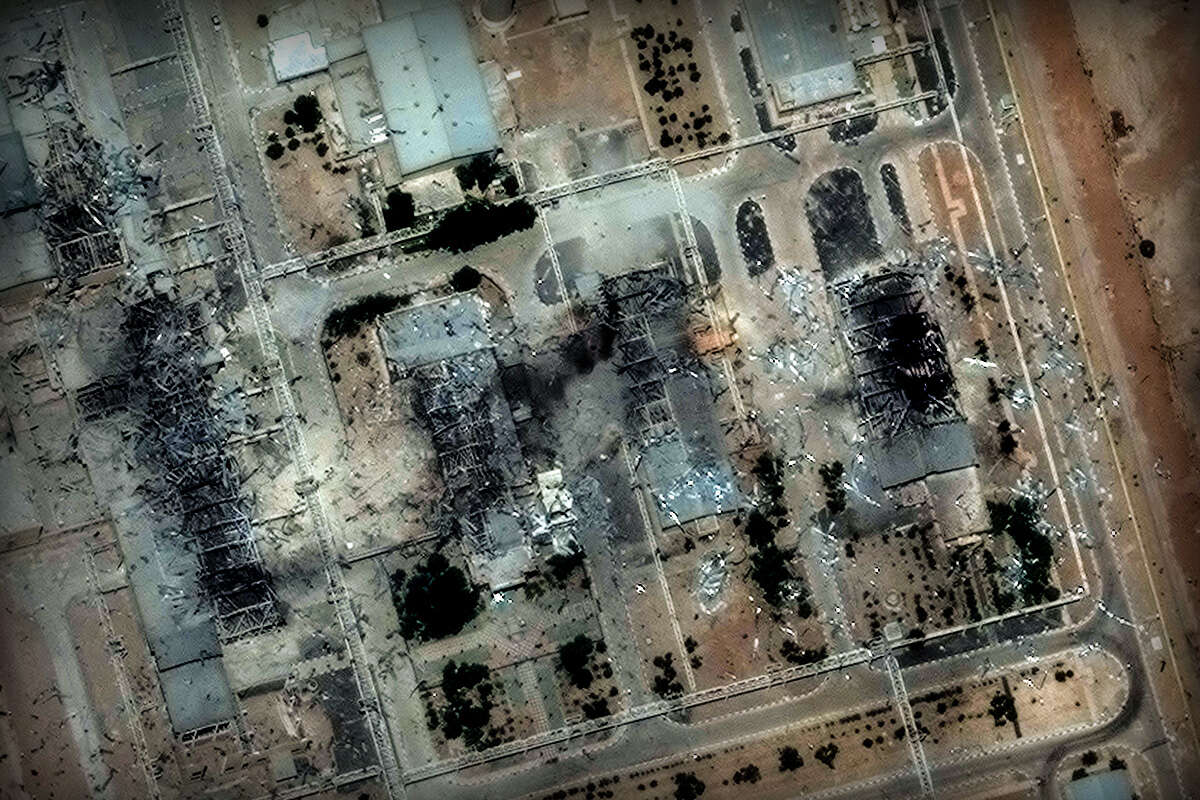
Isfahan nuclear site. Photo: AFP

Share on FacebookShare on Twitter

Reuters reports that the US intelligence assessment has determined that the timeline Iran would need to develop a nuclear weapon has not changed since last summer, when it was assessed that a US-Israeli strike had set back its capability by up to about a year, according to three sources familiar with the matter.

Assessments of Tehran's nuclear program have remained largely unchanged even after two months of fighting, which began in part with the aim of halting development of a nuclear bomb. The latest US and Israeli strikes, which began on Feb. 28, focused mainly on conventional military targets, though Israel also struck several significant nuclear facilities.

According to the assessments, substantially damaging the nuclear program would require destroying or removing from Iran its stockpile of highly enriched uranium. Meanwhile, the fighting was halted after a ceasefire on April 7, but tensions between the sides remain high. Iran has also restricted movement through the Strait of Hormuz, a move affecting about 20% of global oil supply and worsening the energy crisis.
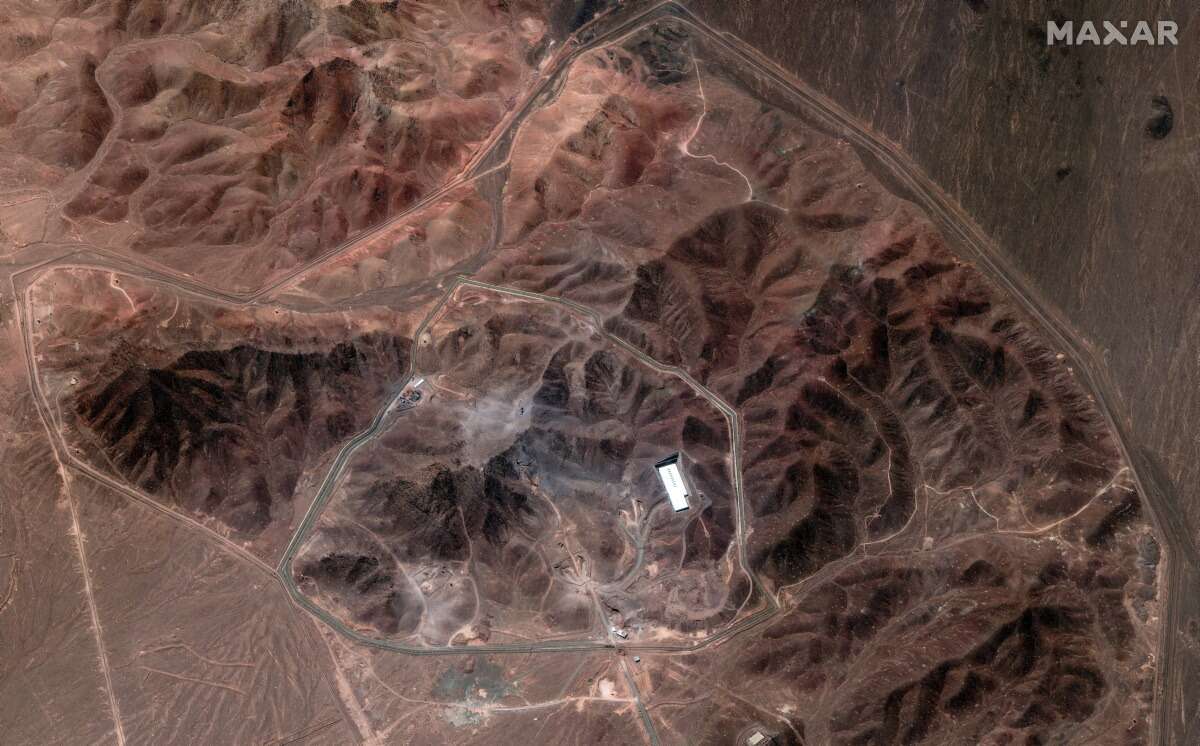
צילום לווין של מתקן הגרעין בפורדו , רויטרס
Satellite image of the Fordow nuclear facility. Photo: Reuters

The US defense establishment stresses that the goal remains preventing Iran from obtaining nuclear weapons, including through ongoing contacts with Tehran. According to previous intelligence assessments, before the fighting in June, Iran could have produced enough fissile material for a weapon within three to six months. After the June strikes, which hit the Natanz, Fordow and Isfahan facilities, the timeline was pushed back to about nine months to a year.

The strikes destroyed or severely damaged the enrichment facilities that were active at the time. However, the International Atomic Energy Agency does not know the location of part of the stockpile of uranium enriched to 60%, amounting to about 440 kilograms. According to assessments, some of it was stored in an underground compound in Isfahan, but this has not been verified since inspections were halted.

According to Reuters, the total stockpile of enriched uranium could be enough to produce up to 10 bombs if further enriched. The White House, however, says the military operations severely damaged Iran's nuclear infrastructure and its defense-industrial base.

Illustration of the nuclear sites on a map of Iran. Photo: Getty Images

US officials say the assessments have not changed partly because the latest strikes did not focus primarily on nuclear targets. They say Iran still possesses the nuclear material, as far as is known, and its location is likely in underground sites that are difficult to strike.

At the same time, additional options for damaging the program are being examined, including ground operations to locate and remove the enriched uranium. Iran, for its part, continues to deny that it seeks to develop nuclear weapons. According to US intelligence and the International Atomic Energy Agency, Tehran halted development of a warhead in 2003, though various officials believe parts of the program were secretly preserved.

Experts say the elimination of senior Iranian nuclear scientists adds another layer of uncertainty to Iran's ability to develop a functioning weapon. They say that while knowledge cannot be destroyed, the practical ability to apply it could be impaired.
Tags: IranIran nuclear programUS

Related Posts

Threatening messages from Iran sent to thousands of Israelis

Iranian AI pioneer killed, Tehran blames Mossad

by Neta Bar

Iranian news site Press TV reported the mysterious death of Dr. Ali Ehsanian, an artificial intelligence expert who previously worked...

What happened to 'maximum pressure'? White House orders freeze on Iran sanctionsAFP, EPA

Trump, Pezeshkian sign memorandum of understanding 

by Dudi Kogan

The signing was carried out remotely, with the Iranian side signing the memorandum in Tehran while Trump signed it at...

Uranium, Hormuz and billions for Tehran: Inside the deal to end the war

Trump's Iran deal hands Iran billions, opens door to US energy firms

by Danny Zaken

Opening Hormuz and granting sanctions waivers for oil exports could channel billions of dollars to the ayatollahs’ regime. Israel Hayom...

Menu

Analysis 

Archaeology

Blogpost

Business & Finance

Culture

Exclusive

Explainer

Environment


Features

Health

In Brief

Jewish World

Judea and Samaria

Lifestyle

Cyber & Internet

Sports


Diplomacy 

Iran & The Gulf

Gaza Strip

Politics

Shopping

Terms of use

Privacy Policy

Submissions

Contact Us

About Us

The first issue of Israel Hayom appeared on July 30, 2007. Israel Hayom was founded on the belief that the Israeli public deserves better, more balanced and more accurate journalism. Journalism that speaks, not shouts. Journalism of a different kind. And free of charge.

All rights reserved to Israel Hayom

Hosted by sPD.co.il

  • Home
  • News
    • Israel at War
    • Israel
    • United States
    • Middle East
    • Sports
  • Opinions
  • Jewish World
    • Archaeology
    • Antisemitism
  • Lifestyle
    • Food
    • Travel
    • Fashion
    • Culture
  • Magazine
    • Feature
    • Analysis
    • Explainer
    • Environment & Wildlife
    • Health & Wellness
  • In Memoriam
  • Subscribe to Newsletter
  • Submit your opinion
  • Terms and conditions

All rights reserved to Israel Hayom

Hosted by sPD.co.il

Newsletter

[contact-form-7 id=”508379″ html_id=”isrh_form_Newsletter_en” title=”newsletter_subscribe”]

  • Home
  • News
    • Israel at War
    • Israel
    • United States
    • Middle East
    • Sports
  • Opinions
  • Jewish World
    • Archaeology
    • Antisemitism
  • Lifestyle
    • Food
    • Travel
    • Fashion
    • Culture
  • Magazine
    • Feature
    • Analysis
    • Explainer
    • Environment & Wildlife
    • Health & Wellness
  • In Memoriam
  • Subscribe to Newsletter
  • Submit your opinion
  • Terms and conditions

All rights reserved to Israel Hayom

Hosted by sPD.co.il