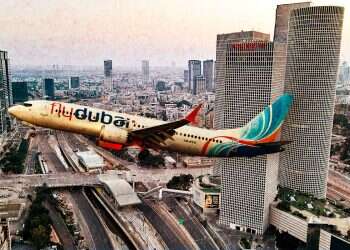
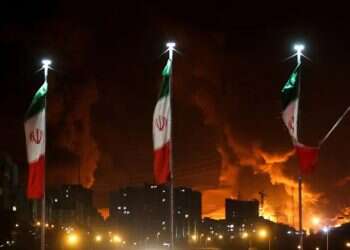
US President Donald Trump will land in Beijing on May 14 for his first visit to China since 2017. Relations between the two powers are tense, but efforts are being made to convey that deterioration over the many disputes between the sides can still be avoided. In addition, the visit is taking place while the war against Iran has yet to end, and its consequences have also reached China.
China was indeed hurt by the closure of the Strait of Hormuz, as about 45-50% of the oil imported by China passes through it. But Beijing had been preparing for this scenario for years. China has strategic oil reserves of 1.4 billion barrels, land pipelines from Russia and Central Asia, and an accelerated transition to renewable energy, at about 40%. Thanks to this resilience, China was able to assist countries across Asia that were hit significantly harder by the Hormuz crisis, and to position itself as a responsible power.
The US is also benefiting from the Hormuz crisis. American liquefied natural gas exports are rising to record highs. Energy prices in Asia and Europe have jumped by 35%-51%, while domestic gas prices in the US have fallen, and Hormuz has turned Washington into the world's leading energy supplier.
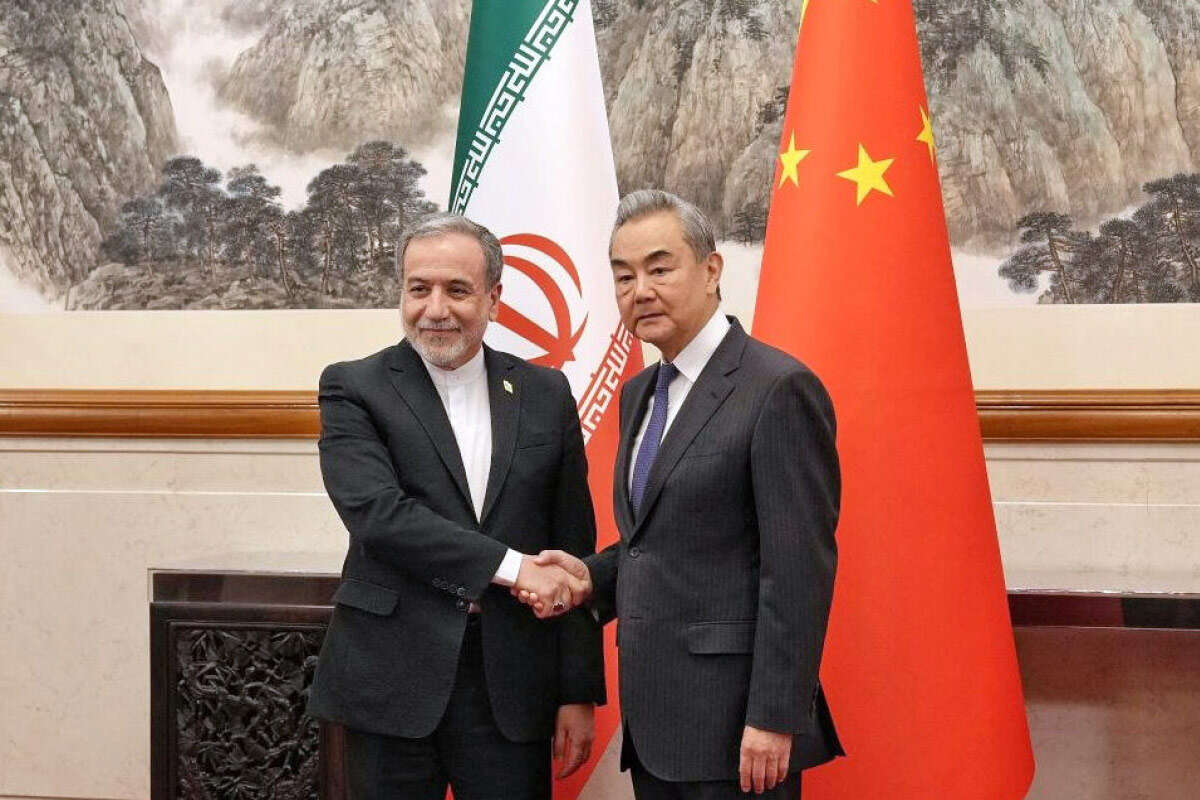
Moreover, given Arab states' disappointment with the way the US handled the war against Iran, including the lack of advance notice about the strike, poor coordination, the sense that not enough was done to protect them, and fears that the interests of regional states will not be taken into account in the ongoing negotiations with Iran, China has been given a window of opportunity to expand its influence in the region.
China identified the opportunity and, with the outbreak of the war against Iran, responded with restraint and even preferred to distance itself from the role of mediator. In practice, Pakistan, which took the reins of the negotiations, did so in close coordination with China and presented at the start of the talks a five-point plan that echoed the Chinese line precisely: ceasefire first, nuclear issue later. In this way, China succeeded in embedding its preferences without bearing responsibility. These moves reflect China's need to balance its interests vis-à-vis Arab states with the need to support Iran economically and militarily.
Arranging the cards
The Iranian issue is expected to come up in the meeting between the presidents, as the US seeks to see China pressure Iran into reaching an agreement to end the war. But China will not rush to take responsibility for this. There are far more urgent issues on the table, and it appears that both powers are working to create leverage and cards that will serve them in achieving gains at the meeting.
The US is demanding access to critical minerals controlled by China: 70% of global mining, 90% of processing, and 93% of magnet production. This is one of China's most significant points of leverage. The US is also interested in Chinese purchases of soybeans and aircraft from the US, namely Boeing, and in curbing the export of the drug fentanyl to the US.
China, for its part, wants to reach an arrangement regarding US tariffs, with an emphasis on the entry of Chinese automakers into the American market, and the continuation of the "One China" policy regarding Taiwan. The Chinese president is also proposing the establishment of a joint council that would focus on Chinese investment in the US, an issue that is not expected to advance due to US national security concerns.
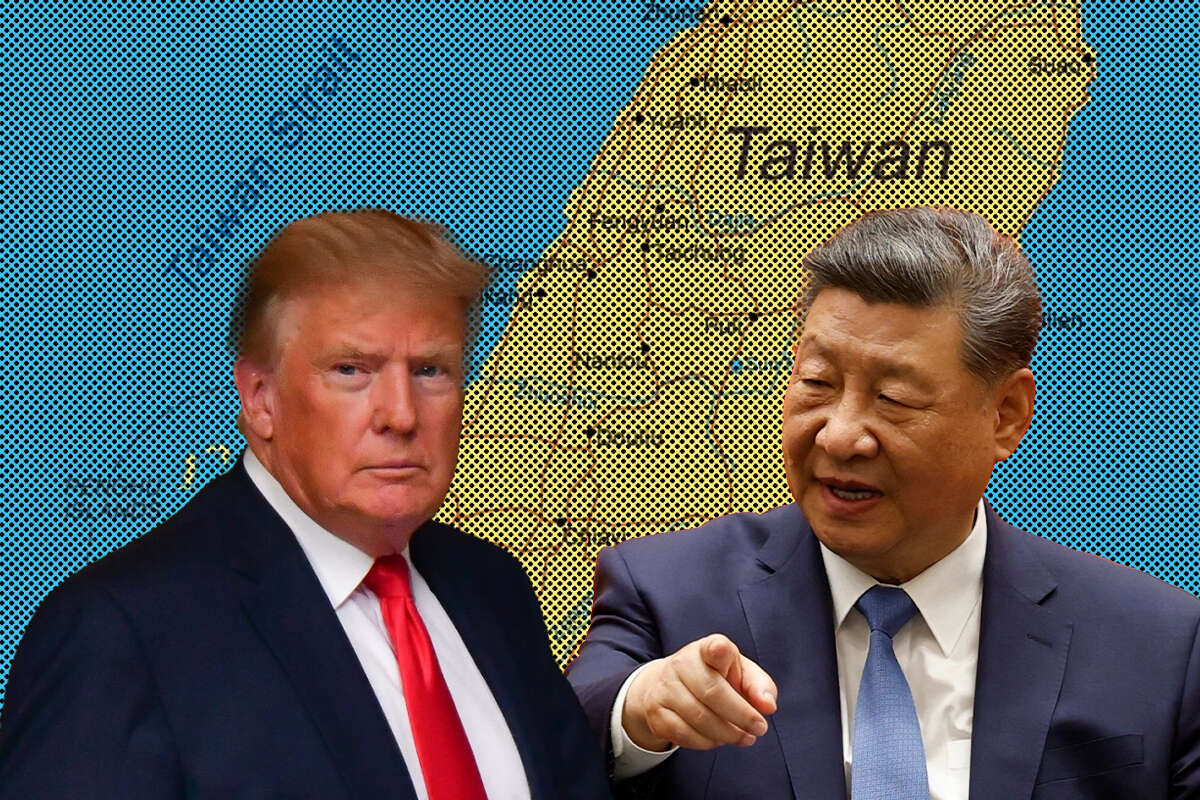
It should be noted that in response to the tariffs the US imposed on China, ranging from 34% to 125%, Chinese exports to the US fell by 20%. Even the trade agreement to reduce tariffs between the countries, signed in October 2025, did not change the trend. China continued to diversify its export markets in order to soften the blow from US measures, and exports to non-US markets rose by about 12%. In addition, China instructed companies, for the first time openly, to ignore US sanctions on Chinese energy firms working with the Iranian regime. At the same time, the US imposed sanctions on Chinese companies, though not yet on financial institutions, that had provided the Iranian regime with assistance in components for the production of ballistic missiles and unmanned aerial vehicles.
Meanwhile, Taiwan approved a special $25 billion budget for defense purchases from the US, and this move appears to constitute another point of leverage for Washington ahead of the meeting in China.
In the field of artificial intelligence, it appears that China blocked Meta's acquisition of the Chinese AI company Manus, which is based in Singapore, in order to undermine US efforts in the field. This may be another card intended to persuade the US to reach an nderstanding on safety and ethical standards in artificial intelligence.
As the presidents of the US and China arrange their cards ahead of the meeting, there is concern that the interests of partner countries, such as Taiwan, Japan and South Korea, will be sacrificed in exchange for economic understandings. However, it should be noted that this meeting is planned to be the first of four this year, so it is likely that they will settle for laying the groundwork for understandings later on. In any case, President Trump must be careful that the "big, fat hug" from the Chinese president, as he wrote on his social network Truth, does not turn out to be a bear hug.