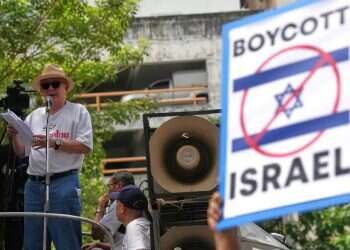
Iran's announcement that it would participate in the World Cup to be held in the US was about far more than sports alone. It was another indication of the countries' desire to end the war before the major global event next summer.
Iran, as is its habit, loaded its statement with details and conditions, but those were less important than the bottom line: Its national team will come to the US, apparently after receiving approval and guarantees from Washington.
It can be assumed that this followed talks between the sides, mediated by FIFA President Gianni Infantino, a close friend of US President Donald Trump. The two, it appears, do not want anything to overshadow the major celebration they are planning, and certainly not a war.

Israel facing a shifting global agenda
These are more bad news for Israel, which is once again learning that the global agenda, and Trump's agenda as well, differ from its own.
In recent days, Trump has continued to zigzag between extending a hand and issuing threats, but it appears that the longer the ceasefire lasts, the more his willingness to return to fighting cools. Domestic political and economic pressures, alongside a planned visit to China, are also influencing his position. At the same time, his advisers are struggling to formulate an operational plan that would ensure the achievement of the main objectives: Iran's nuclear program and the opening of the Strait of Hormuz.

Against this backdrop, concern is growing in Israel that Trump will reach a problematic deal with Iran, one that provides only a partial response to disputed issues and restores significant power and large sums of money to Tehran. Senior Israeli officials believe this is the worst of the three options on the table: a resumption of fighting, a permanent ceasefire without an agreement, or a comprehensive agreement. According to them, the first two options are likely to bring the fall of the Iranian regime closer, while the third would strengthen it and grant it significant immunity.
A partial deal, according to assessments in Israel, would not provide a full response to the nuclear issue, both in terms of removing enriched uranium from Iran and preventing a future return to enrichment. Bringing the nuclear facilities under tight supervision is also expected to be only partial. In addition, the issues of missile production and assistance to regional proxies are expected to receive limited treatment, if any.

Iran is also insisting on including Lebanon and Hezbollah in the deal, meaning preventing Israel from attacking the terrorist organization in the future. This issue is considered critical not only for Hezbollah's future and relations between Israel and Lebanon, but also for the security of residents of northern Israel.
Ongoing attrition without a decision
Meanwhile, the fighting in southern Lebanon and northern Israel continues without significant achievements for either side. Israel boasted last week about the elimination of Hezbollah's Radwan Force commander Malek Balout, but the impact of the strike has been limited.
Hezbollah has previously demonstrated an ability to recover quickly, even after the elimination of other senior figures, and today it is far from the military strength it had on the eve of the war. Most of its activity is focused on attempts to hit IDF troops and harass northern communities in Israel.
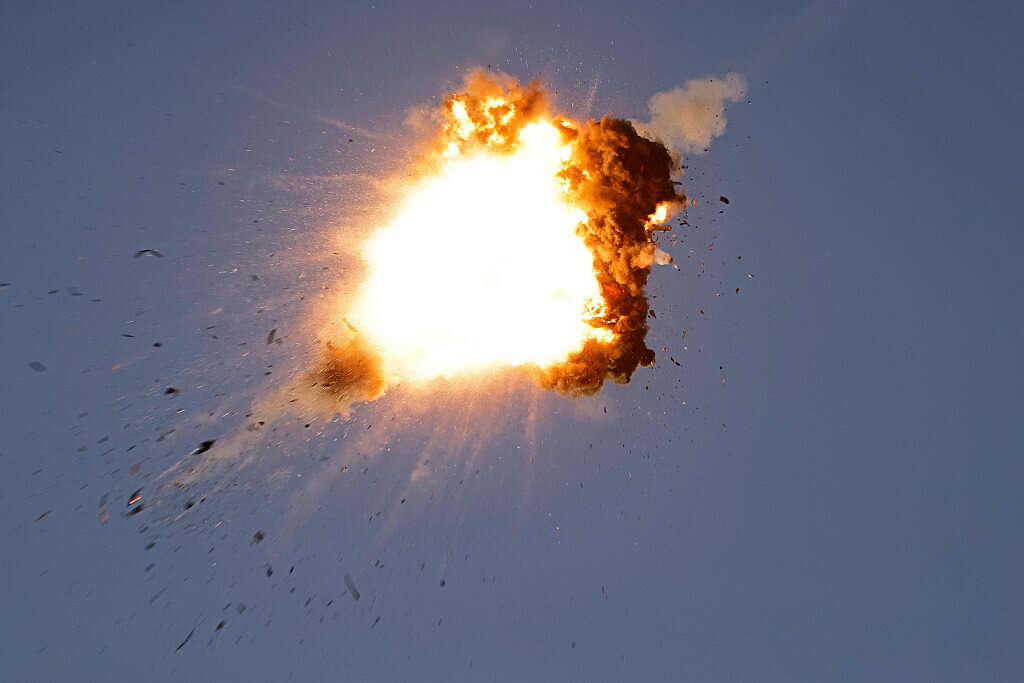
The prolonged campaign and the absence of solutions for residents of the border area are increasing fears of a broad departure this coming summer, especially among families. Kiryat Shmona has already lost about half its residents, and many of those who remain are waiting for educational solutions in other cities before deciding on their future.
This is an unreasonable state of affairs, perceived as a mark of disgrace for the government, which this week will again continue to deal in the Knesset with contentious issues such as the draft evasion bill, attempts to restrict the activity of media outlets and efforts to harm the judiciary, instead of addressing the truly urgent problems: the north, reservists, the cost of living and more.
The battle over the Mossad chief appointment
Alongside the security focus on the combat fronts, the security establishment will closely follow this week's High Court hearing on the case of Roman Gofman, the designated next head of the Mossad.
In an attempt to defend the appointment, Prime Minister Benjamin Netanyahu attacked the harsh opinion issued by former Supreme Court President Asher Grunis, who previously chaired the committee for approving senior appointments, in the case involving the handling of teenager Uri Elmakayes. Netanyahu, it was claimed, sought to place himself above the legal system and above questions of proper conduct. However, one sentence of his stood out in particular: "Responsibility for the security of the state and its citizens is entrusted to the prime minister, and to him alone."
Those words should also be remembered when it comes to responsibility for Oct. 7, which Netanyahu has been trying to evade for almost 1,000 days.