The foreign ministers of all 27 European Union member states convened on Monday to discuss sanctions on violent settlers and restrictions on exports from Judea and Samaria to EU countries. For the first time in years, Israel entered such a meeting without Hungary's automatic veto, following Viktor Orbán's ouster and Péter Magyar's rise to power.
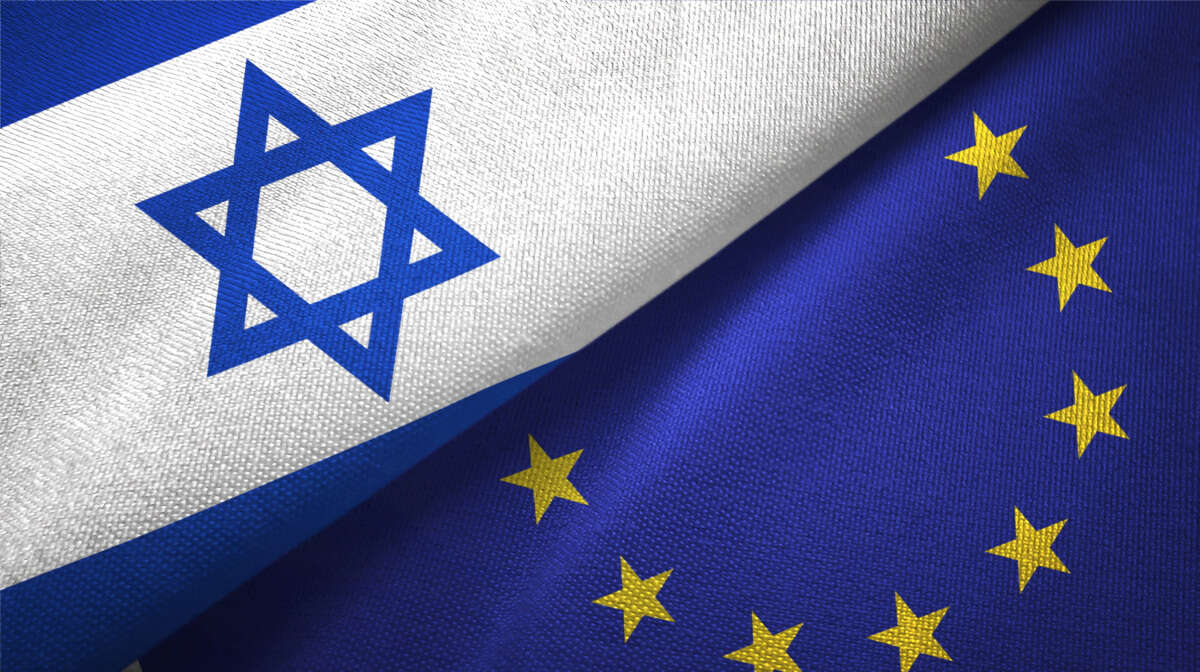
Several EU member states began to advance last month a partial suspension of the Association Agreement (the decades-old trade and political framework governing Israel–EU relations), an initiative that could deal a significant blow to the Israeli economy, including the agriculture, academia, and technology sectors, potentially costing Israel billions of euros. Approximately one-third of Israeli trade is conducted with EU member states.
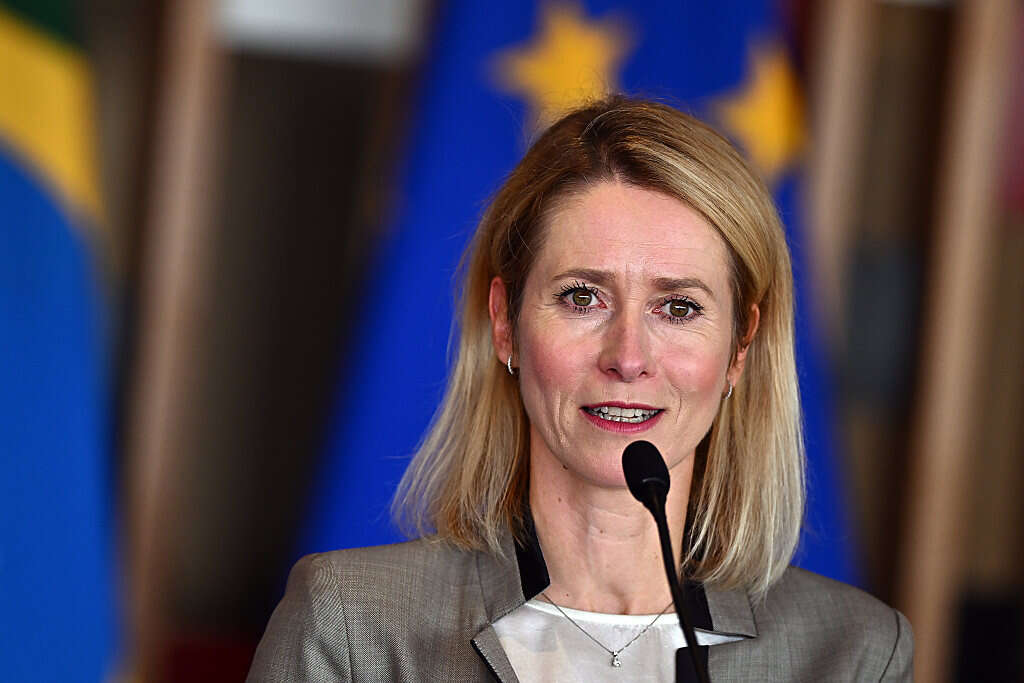
The EU's push to revisit the trade deal is not new. Back in May 2025, Kallas announced that the EU would review its trade agreement with Israel, citing doubts about Israel's commitment to upholding human rights in Gaza – a move she said was backed by a majority of member states' foreign ministers. "The situation in Gaza is catastrophic," the High Representative said. "The aid that Israel has allowed in is, of course, welcomed, but it is a drop in the ocean. Aid must flow immediately without obstruction and at scale because this is what is needed," Kallas told reporters in a statement in Brussels.
Not all the decisions to be made during Monday's meeting require the same threshold of support. Sanctions against settlers require the unanimous agreement of all 27 EU member states – and it was precisely here that Hungary's veto repeatedly shielded Israel. By contrast, a partial suspension of the Association Agreement requires only a qualified majority, making Hungary's veto irrelevant to that measure from the outset. The immediate threat relates to sanctions on settlers and settlements, while the threat posed by the Association Agreement has been – and remains – contingent on support from the EU's major member states.

The leading drivers of the toughest measures are Spain, Ireland, and Slovenia, which, at the EU foreign ministers' meeting in Luxembourg, roughly three weeks ago, demanded the suspension of the Association Agreement, only to be blocked by Germany and Italy. Despite that temporary setback, the states hostile to the Israeli government are waiting for a window of opportunity to impose the sanctions that Foreign Minister Gideon Sa'ar and Israel's ambassador to the EU, Avi Nir-Feldklein, have so far managed to prevent.
Monday's agenda also includes a separate initiative by France and Sweden to impose tariffs and trade restrictions on goods originating from the settlements. Sanctions against the settlers themselves were formally proposed by the European Commission as far back as September. Kallas herself pushed for their approval and stated explicitly that the Hungarian veto was the sole obstacle standing in their way.