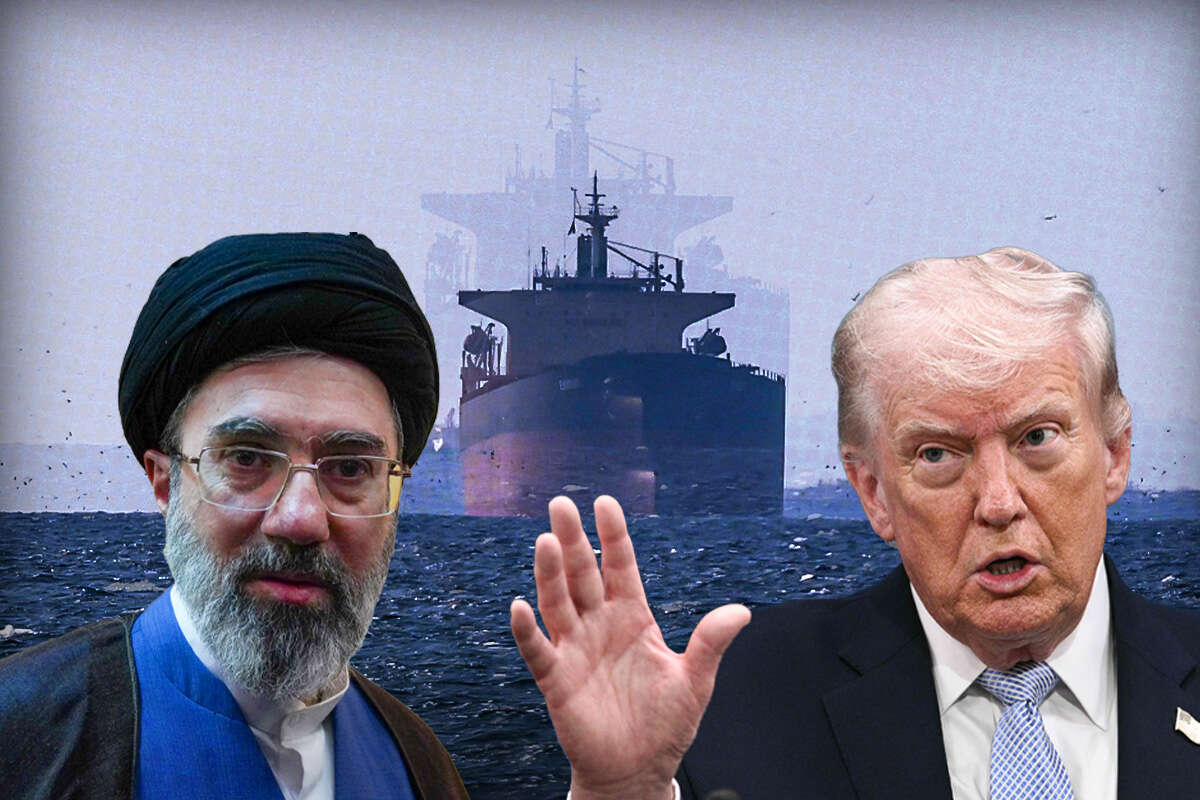
The decision to give the talks with Iran another chance was made at the White House after a particularly fierce debate Wednesday between Vice President JD Vance and US President Donald Trump, in which the war secretary and the secretary of state also took part.
According to sources familiar with the matter, the two secretaries assessed that at this stage, concessions could not be extracted from Iran without significant pressure, including the possibility of an attack and tougher economic sanctions. Vance, by contrast, argued that Iran's latest proposal, published by Israel Hayom, showed flexibility that made it possible to move toward an agreement, even an initial one, that would lead to an end to the fighting.
Envoys Steve Witkoff and Jared Kushner also joined the discussion and backed Vance's position. According to information obtained by Israel Hayom, the three held talks in the hours before the meeting with leaders of Gulf states, Oman, Qatar and Saudi Arabia, which oppose a resumption of the fighting.

The confrontation escalated when Trump criticized Vance and the envoys, accusing them of taking an approach that enabled Iran to play for time and damage the image of the US and the presidency. Vance responded forcefully that the administration should seek to end the campaign, bring the soldiers home, lower oil prices and focus on domestic problems in the US, a response that surprised those present.
During the discussion, the sides also returned to the issue of the response to Pakistan, which had conveyed messages between Iran and the US.
In response, Vice President Vance's office said that "this entire anecdote is stone-cold fake news, and we would have said as much if this outlet had bothered to even reach out for comment."
Overnight calls
At the same time, Trump spoke with leaders in the region. According to two sources, Prime Minister Benjamin Netanyahu and United Arab Emirates President Mohammed bin Zayed expressed support for a tough line, alongside the need to protect sensitive facilities in their countries. By contrast, Saudi Crown Prince Mohammed bin Salman and Qatari Emir Sheikh Tamim bin Hamad Al Thani prefer to avoid a return to fighting.
Diplomatic sources in the region say Saudi Arabia and Qatar are maintaining continuous contact with Iran, among other reasons to reduce security risks, based on the assessment that the regime in Tehran will remain in place. In contrast, the United Arab Emirates and Bahrain believe Iran can no longer be trusted, especially after the closure of the Strait of Hormuz, and that the American terms must be forced on it.
In an overnight call between Netanyahu and Trump, the various options were discussed, ranging from a strike to continued talks. Information obtained by Israel Hayom indicates that Trump chose to allow the talks to continue, and is awaiting Iran's response after meetings held by Pakistan's interior minister with senior officials in the Revolutionary Guards.

A US official said Netanyahu expressed frustration with Iran's conduct and the possibility that it was playing for time, while Trump emphasized the dilemmas he faced. The American president reiterated his commitment to removing the Iranian nuclear threat.
It was also reported that the call addressed Lebanon and the possibility of reaching understandings with its government, alongside the assessment that the chances of Hezbollah agreeing to such arrangements remained low.