The negotiations over the US-Iranian memorandum of understanding have not ended, partly against the backdrop of criticism on the American side over details reported in the media, which indicate that at least some of the war's objectives are being postponed, while Iran is meanwhile receiving tangible compensation. US President Donald Trump's remarks still reflect confidence in achieving those objectives, but his post on social media indicates that there is still some distance to go before agreement is reached on the memorandum.
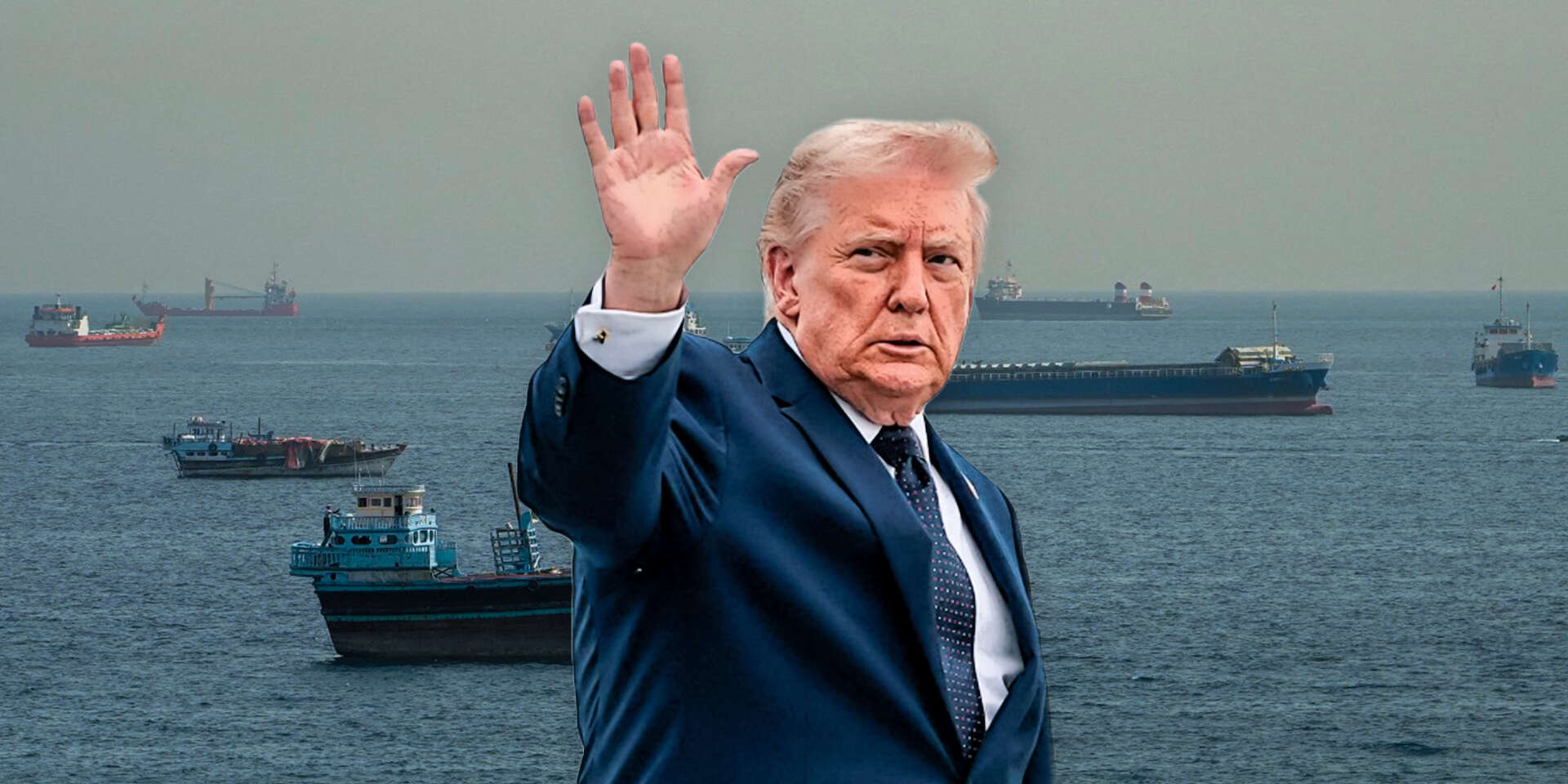
According to a diplomatic source familiar with the matter, criticism from figures close to the president strengthened his demand to make improvements to the memorandum and ensure that it truly lays the groundwork for realistic negotiations. In other words, his statement that a decision would be made urgently is now less binding. Trump wrote in his statement: "I have informed my representatives not to rush into a deal in that time is on our side. The blockade will remain in full force until an agreement is reached, certified, and signed. Both sides must take their time and get it right. There can be no mistakes!"
The remarks come against the backdrop of what still appears to be an unbridgeable gap between Iran's official statements and the absolute minimum the US will be prepared to accept. The gap is between the reports and information about the nuclear-related clauses in the memorandum of understanding on the table, and an Iranian total denial that such clauses even exist.
Unbridgeable gaps
This fact may indicate several things. Either the draft memorandum does indeed contain several clauses that are highly uncomfortable for the regime, and it is currently trying to conceal them in the hope that the lifting of sanctions will soften disappointment when they are published, or the memorandum refers to these clauses in overly vague terms and in a way that Iran can water down or push off into the distant future. But even given these explanations, the gap simply does not add up.
Take the Strait of Hormuz issue, for example. According to all the sources Israel Hayom spoke with in the Middle East and in Washington, the US is setting a basic condition in the draft memorandum under which the strait will be opened fully and freely, while Iran is officially making clear that control of the strait and the sailing arrangements there will remain in its hands under any circumstances.
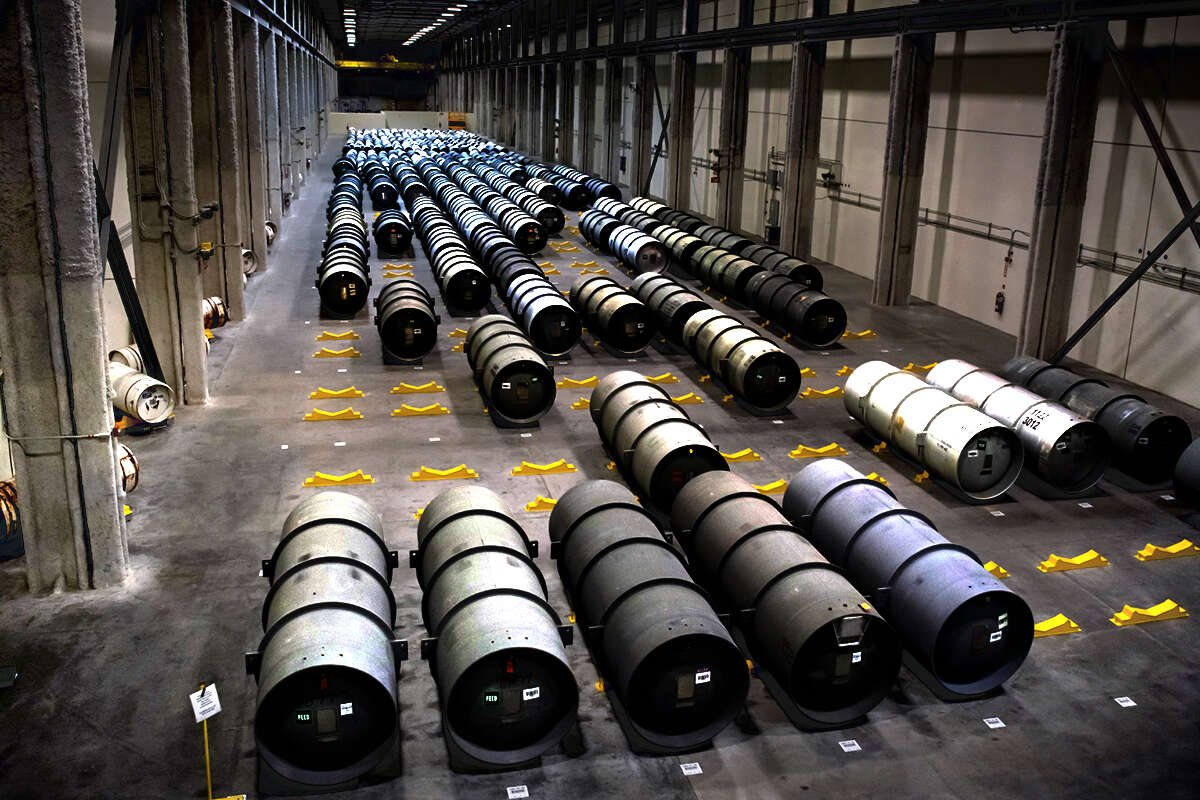
On the nuclear issue, the gap appears even more significant. While Iran completely denies that the issue is even mentioned in the memorandum, information published in Israel Hayom makes clear that Tehran is in fact committing not to develop nuclear weapons and to hand over its highly enriched uranium. However, diplomatic sources in Washington and in Gulf states report that the Iranians are trying to blur the clause on enriched material and are firmly refusing to include in the agreement uranium enriched to the lower level of 20%.
Another central point of dispute between the sides concerns the Strait of Hormuz and the timing of sanctions relief. The Americans are setting an unequivocal demand for the full and immediate opening of the strait, alongside an Iranian commitment to preserve freedom of navigation there in the future. Only after the status of the strait is settled will more than $20 billion be unfrozen and the maritime blockade on Iranian oil tankers lifted.
Meanwhile, the Tasnim news agency, which is close to the Islamic Revolutionary Guard Corps, reported that American "disruptions" to several clauses of the agreement, including the release of frozen Iranian assets, were still continuing, and that it was therefore not "out of the question that the agreement will collapse." The agency also said Iran had made clear that it would not retreat from its red lines.
Countdown to the next war
In his conversations with leaders of Gulf states and with Israeli Prime Minister Benjamin Netanyahu, Trump pledged that the enriched uranium would be removed from Iran and that Tehran would have no ability to return to its military nuclear project. He added a pledge to Gulf states that Hormuz would be completely open and, more than that, that the Iranian threat to it would be removed entirely. Iranian statements contradicting both of these commitments show that these gaps, even if bridging formulas are found on paper, run counter to any possibility of reaching an agreement with Iran.
A senior Israeli official acknowledged that Jerusalem was deeply concerned about the emerging deal. According to the official, although this is only a basic document for negotiations, signing it would in effect end the war and deny Israel the ability to return to offensive operations. The official added that the Gulf states harmed by the fighting had been a central source of pressure on the US to choose the diplomatic track. The United Arab Emirates has also joined this trend and changed its position, but it is setting its own emphases and is demanding that the final agreement fully remove the military threat to the Gulf states and to the Strait of Hormuz.

According to the official, the test of the final outcome is the entire nuclear project: the removal of all enriched uranium, tight oversight and a ban on enrichment. Beyond that, he said, there is concern that unfreezing funds and lifting sanctions will help the regime recover and make the possibility of toppling it more remote.
On the related issues, the missile project and the terrorist organizations backed by Iran, the official said they had not been taken off the table completely, but it appeared Israel would have to make do with its kinetic achievements and the severe blow suffered by Iran and Hezbollah. "The meaning of reaching an agreement under these conditions is that the countdown to the next war has begun. Maybe it will take a few years, but it will come. This goal of completely removing the Iranian threat has not been achieved, even if the severe blow against it weakened it. And that is bad news."