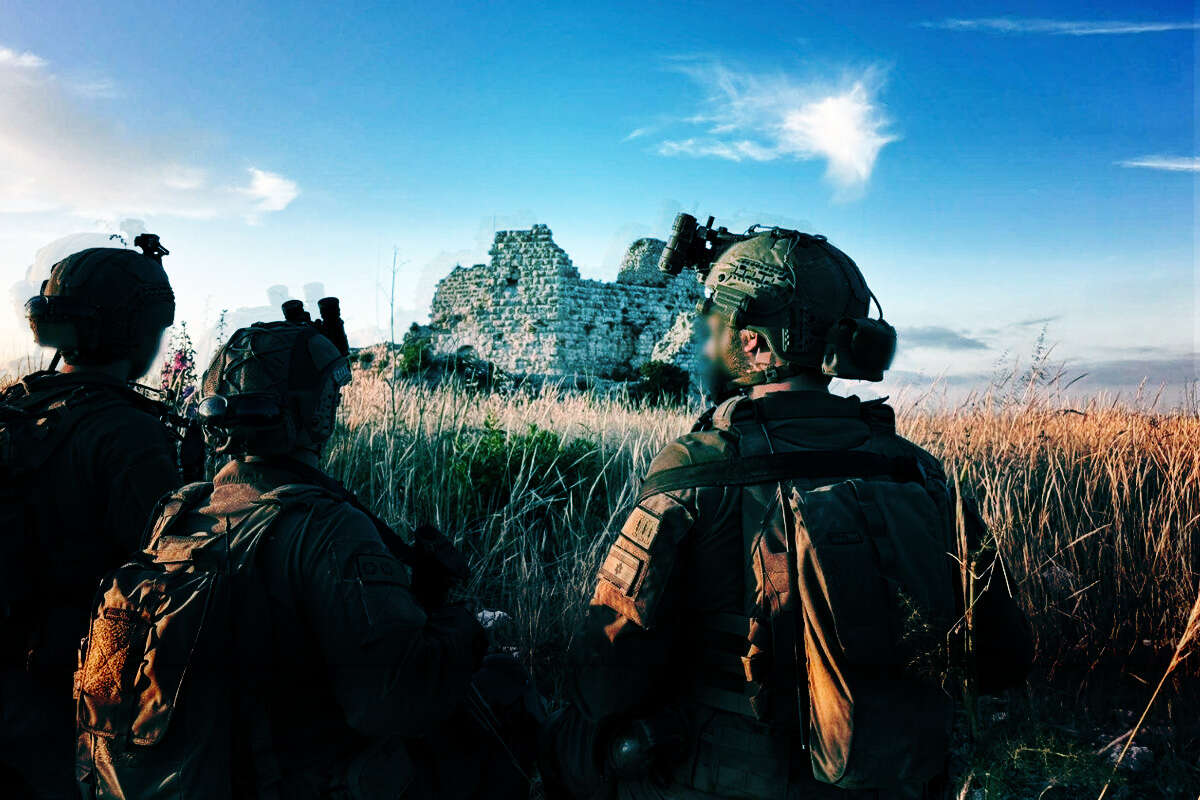
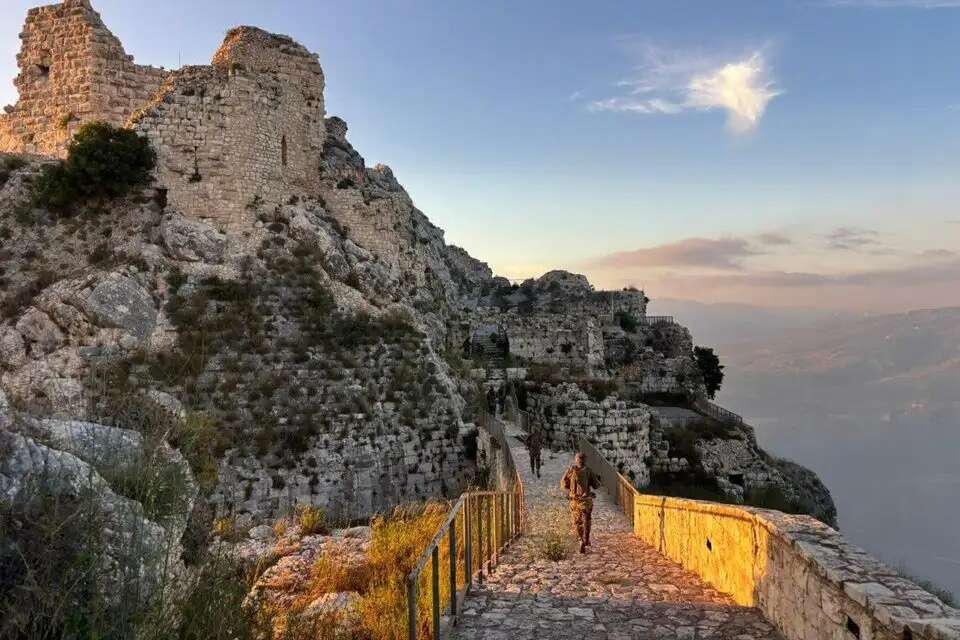
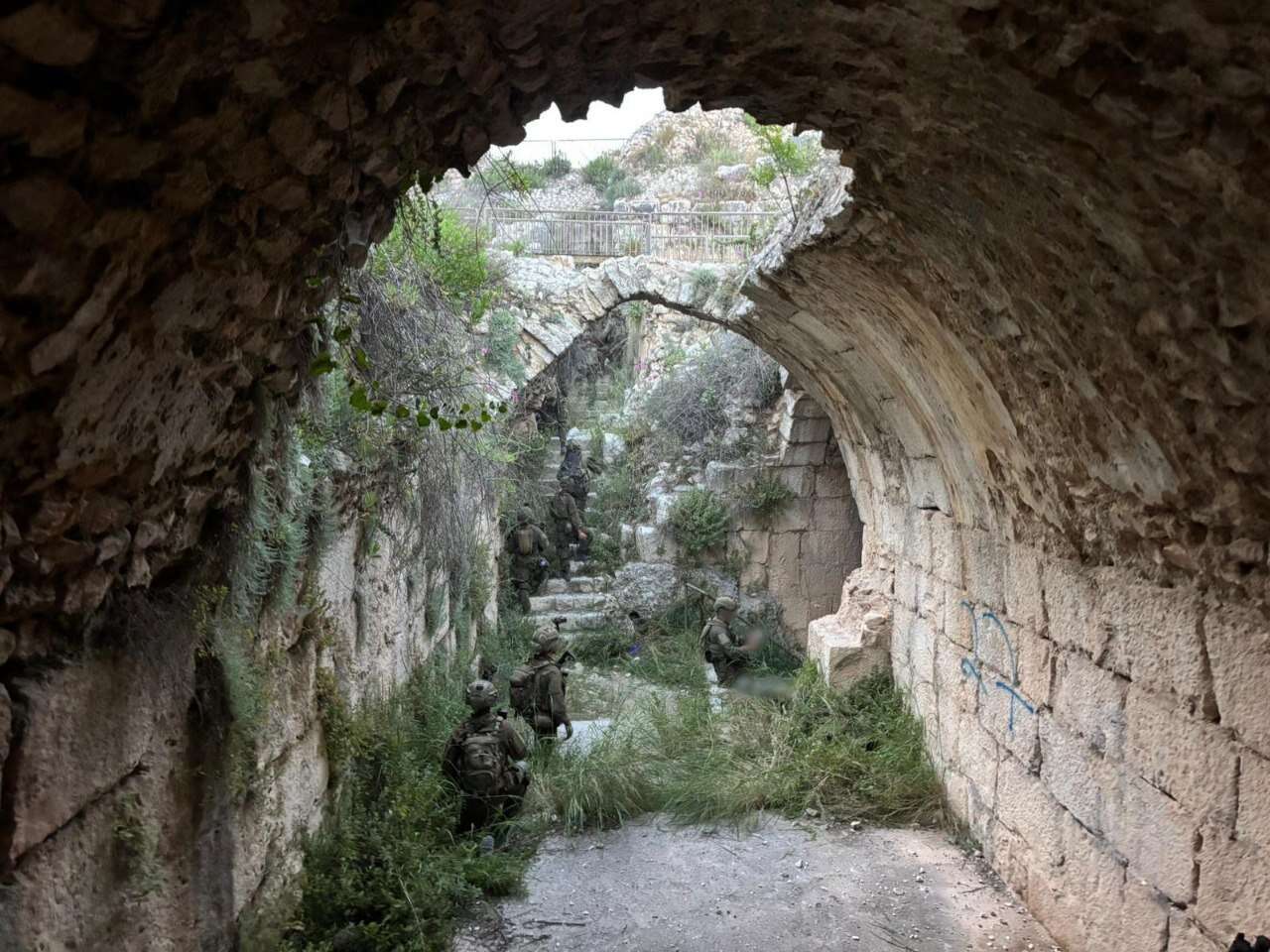
The IDF's capture of Beaufort has major significance for the war against Hezbollah. Commentators assessing the move praised the achievement, but added the caveat that it was still a tactical achievement rather than a strategic one.
That reservation reflects an expectation of a move that will end the war, including Hezbollah attacks on northern Israel. This is a false expectation that ignores both Hezbollah's capabilities and the terroist organization's concept of war, dating back to the days of fighting in the "old" security zone in southern Lebanon.
At the core of Hezbollah's war doctrine, the organization relies heavily on diverse fire capabilities, at every range and also from deep inside Lebanon. Therefore, even Northern Command's boldness in capturing Beaufort will not succeed in bringing the State of Israel the quiet it longs for.
Even before the outbreak of the war on Oct. 7, Naim Qassem, then Hezbollah leader Hassan Nasrallah's deputy and now the head of the organization, made clear that from Hezbollah's perspective, it was prepared for a situation in which even if the IDF reached Beirut, it would still have the ability to continue fighting by firing at the Israeli home front. In that way, the IDF's achievements would be portrayed as having no strategic significance, and the negotiations that followed would begin under Hezbollah's dictated terms.
A look at the history department
It is worth reviewing a study conducted in the IDF History Department by Dr. Ohad Leslau on the final years of IDF activity in the security zone in southern Lebanon. The study describes the systemic paralysis in which the IDF found itself during its presence in the security zone.
During those years, Hezbollah succeeded in trapping the IDF in a state of tension in which, on one hand, the military recognized the need to intensify offensive activity against Hezbollah in order to protect the forces operating in the security zone; on the other hand, in response to every successful IDF offensive action, rockets were fired at northern communities, disrupting the sense of security.
This tension generated a dispute between Northern Command chief Maj. Gen. Amiram Levin, who argued that IDF activity in Lebanon had to be directed toward offensive operations aimed at defeating Hezbollah, and the General Staff, which sought no more than defense and the prevention of escalation. In that dispute, IDF activity became trapped in systemic paralysis.
As early as July 1994, the IDF found itself embarrassed after a successful offensive operation against the Ein Dardara training camp in the Beqaa Valley. In an overnight airstrike combining attack helicopters and aircraft, about 40 Hezbollah operatives were killed. In response, Hezbollah carried out a car bombing at the entrance to the Jewish community center in Buenos Aires. The explosion killed 85 people. The General Staff internalized at the time that it would not repeat attacks of the Ein Dardara type.
The IDF avoided brigade-level raids
In addition, out of concern over the price in soldiers' lives, the IDF avoided offensive ground activity throughout those years. Since Operation Law and Order in the summer of 1988, the IDF had not repeated a brigade-level raid. The failure of Operation Niv Midbar in the winter of 1992 further increased the fear of ground activity.
Ahead of Operation Grapes of Wrath in April 1996, then IDF Chief of Staff Amnon Lipkin-Shahak explained that if Israel acted on the ground, "we will afterward have to remain in the area for several days, and it will be the ground forces that take the Sagger missiles and mortar shells. Therefore, such a step will be among the lowest priorities."
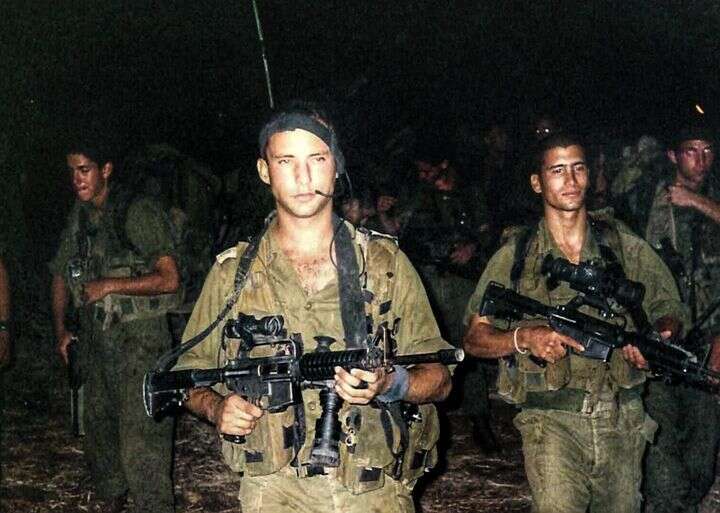
This hesitation continued in the decision-making process during the Second Lebanon War in 2006. Over the years, it had consequences for the erosion of the IDF's deterrence. From this perspective, the IDF's successful action in crossing the Litani River as part of a ground divisional effort carries broad significance beyond the capture of the Beaufort ridge itself.
The four basic purposes
An offensive ground maneuver has four basic purposes:
- The first is to capture territory in order to be there.
- The second is to create conditions for encircling the enemy.
- The third is to destroy enemy weapons and forces, such as rocket launchers and weapons depots that cannot be destroyed in an airstrike.
- The fourth, in terms of deterrent consciousness, is to prove the ability to defeat the enemy in face-to-face combat, even inside its fortified strongholds.
The capture of the Beaufort ridge makes a significant contribution to all four of these purposes, and IDF Northern Command and its forces deserve great appreciation for that. True, this still does not resolve the plight of northern residents who continue to absorb Hezbollah attacks. This is where the State of Israel is tested in its ability to bear the burden of war, in the hope of better days that will come from the IDF's achievements in battle.