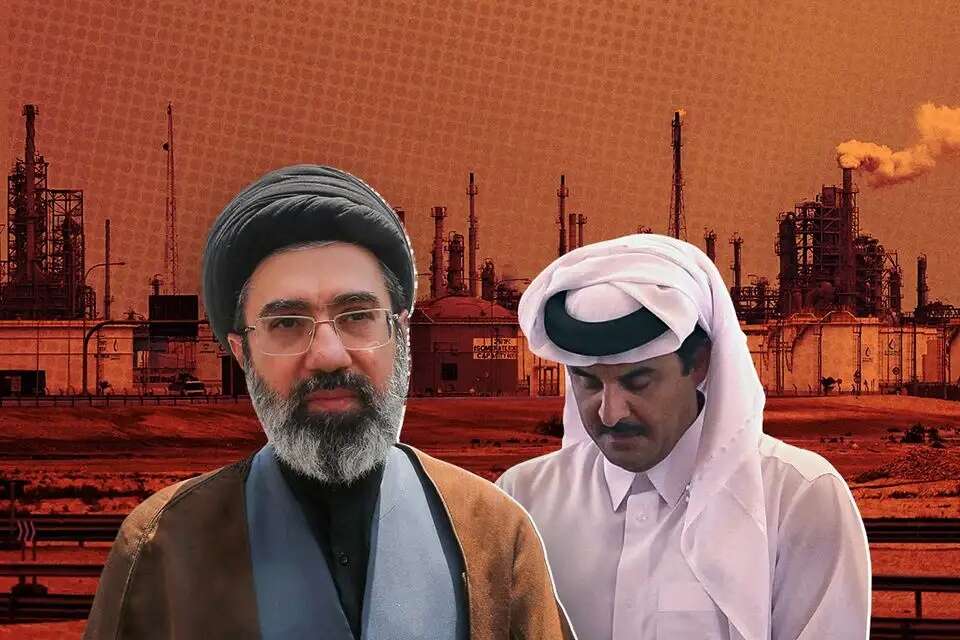
A new framework agreed upon by Iran and Qatar marks a path around US sanctions and the naval blockade on the Islamic Republic. Qatar has approved a $6 billion line of credit for Iran, intended for the purchase of goods through Doha. The sum is part of the aid network Qatar is providing Iran as it seeks ways to bypass the economic restrictions.
According to diplomatic sources in the region who spoke with Israel Hayom, the details of the line of credit were finalized during last week's visit to Doha by Iranian Parliament Speaker Mohammad Bagher Ghalibaf, Foreign Minister Abbas Araghchi and the governor of Iran's Central Bank.
The discussions between the sides focused on $12 billion deposited in Qatar. These funds, originating in South Korea, were already mentioned yesterday in an Israel Hayom report as part of the understandings taking shape. The deposit had previously been frozen because Iran failed to meet the conditions for releasing the funds, as well as because of the war.
The Iranians tried to secure the release, at least partial, of the sum in cash. As Israel Hayom revealed, direct telephone negotiations with Washington were held during the discussions in Doha.

Civilian purchases under supervision
According to the diplomatic sources, Qatar agreed to provide Iran with the line of credit for the purchase of civilian goods, food and medicine, provided the purchases are made through Doha. In practice, the credit amounts to the unfreezing of $6 billion, but at least ostensibly limits the use of the money to civilian purposes only.
According to one of the diplomatic sources, Qatar would not have raised this possibility without at least indirect American consent. During the negotiations, the Americans demanded that any unfreezing of funds be designated for civilian purposes only and placed under supervision.
The framework approved by Qatar, a line of credit and purchases only through Doha, creates oversight mechanisms that meet the American demand. This marks a shift from US President Donald Trump's position, which initially conditioned any transfer of funds on Iran handing over its stockpile of enriched uranium, a move that met with opposition from senior officials in the Islamic Revolutionary Guard Corps.
The secret channel in the Strait of Hormuz
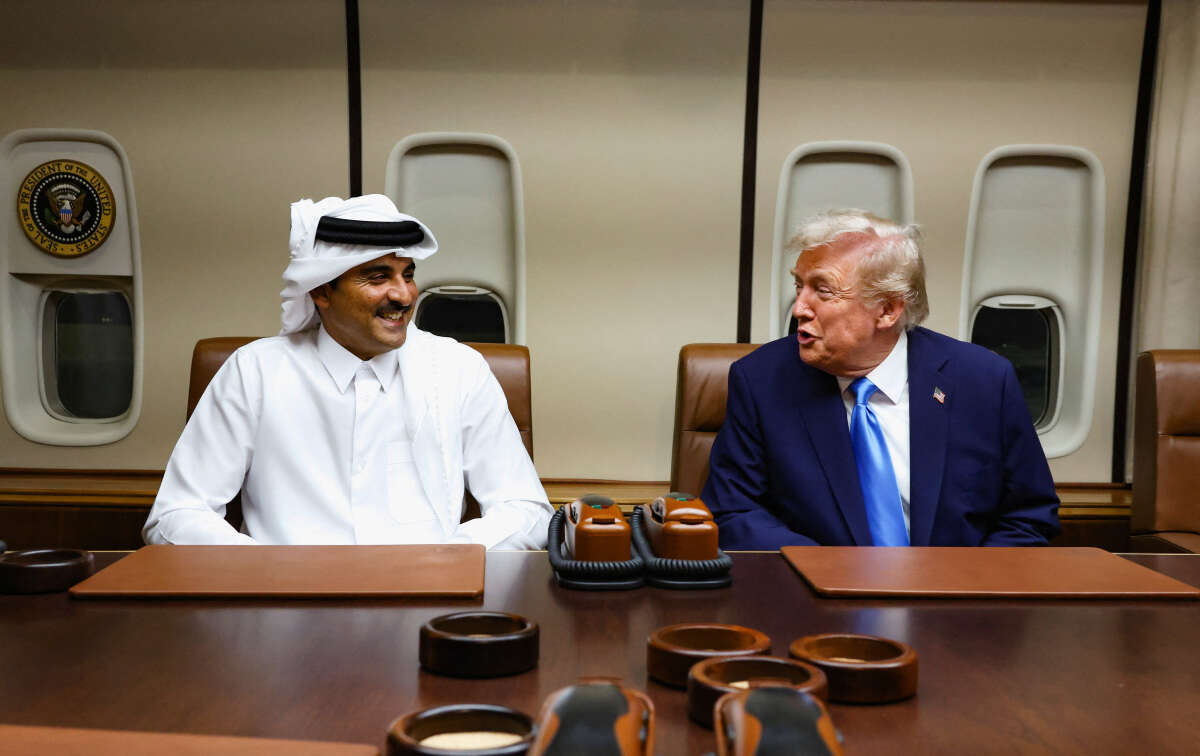
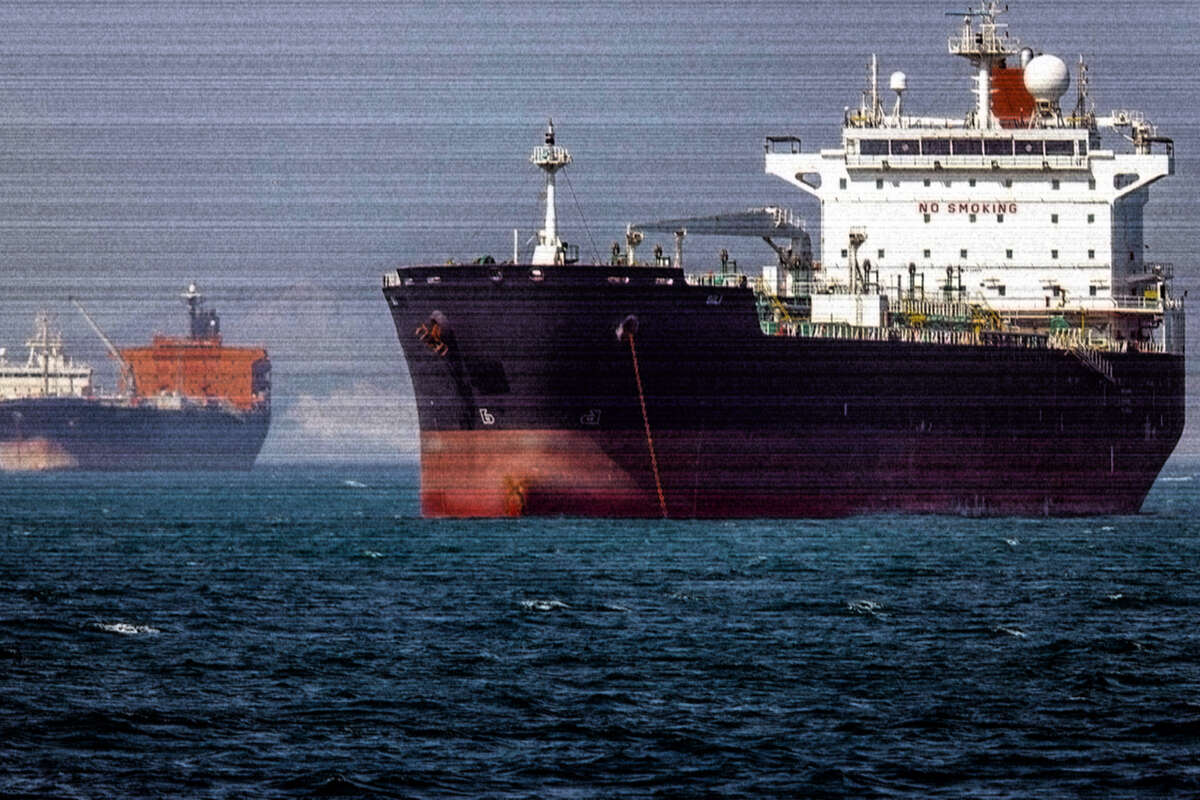
Qatar's involvement in the talks is deep, and because of it, Doha is apparently receiving concessions from both sides. Yesterday, Israel Hayom reported that dozens of Qatari ships and tankers carrying oil and liquefied natural gas to destinations in Europe and the Far East, mainly China and India, passed through the Strait of Hormuz with Iran's approval and without interference from the US Navy.
That passage was made possible after Qatar, according to intelligence and diplomatic sources, transferred financial aid to Iran disguised as transit payments and in other ways, helping the regime cope with the sanctions.
The Americans did not prevent these ships from passing, despite the payments to Iran and contrary to the declared blockade policy. This comes as US Central Command, CENTCOM, states that its forces continue to enforce the blockade in full and have even rerouted 116 commercial vessels.
Deep economic rupture in Tehran
Meanwhile, Iran's economic situation continues to deteriorate. Reports by economists in Iran indicate that its economy is expected to shrink by about 10% this year. Inflation is soaring and the prices of essential goods have doubled since the start of the year.
Economists in Iran warn that even if a deal is signed that leads to the release of the frozen funds and allows oil exports, the country will struggle to recover without foreign investment and generous external aid.

According to the Business Resilience Index compiled by the insurance company Factory Mutual, which examined the ability of 130 countries to withstand and recover from economic shocks, Iran ranks near the bottom, in 125th place. This means that without a fundamental change in its policy and an exit from its diplomatic and economic isolation, it has no chance of recovering.