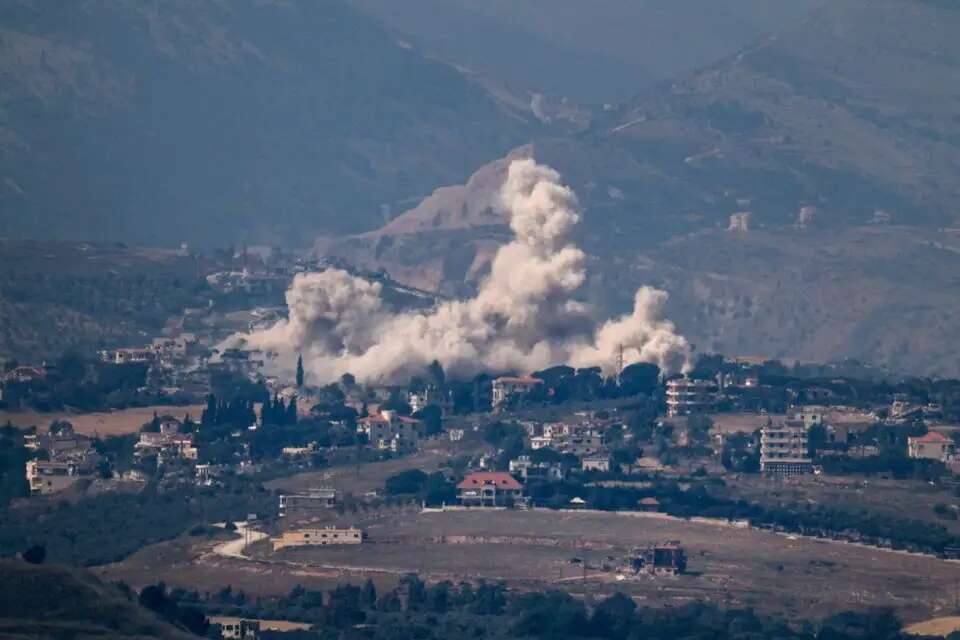
A European diplomat told Israel Hayom that when it comes to the war in Lebanon, Israel is bypassing or ignoring the red lines set for it by the United States.
The remarks contradict statements by Israeli and American officials, who have said Israel's decision to escalate its attacks in Lebanon and expand them to the Dahiyeh district of Beirut, Hezbollah's stronghold, was made after consultations and updates with the US administration at several levels. These included talks between Prime Minister Benjamin Netanyahu and US Secretary of State Marco Rubio, as well as other diplomatic and military channels.
Netanyahu announced the expansion of the strikes today following Lebanon's rejection of an American proposal to renew the ceasefire, while negotiations between Jerusalem and Beirut continue.
According to the Israeli and American officials, alongside the negotiations with Iran, in which the Iranians are demanding a link between the ceasefires in the Gulf and in Lebanon, both sides understand that Israel cannot refrain from defending its citizens.

However, Israel's freedom of action is not unlimited, and the Americans are warning against disproportionate and indiscriminate strikes, particularly in the capital, Beirut, out of concern that such action could derail the negotiations between Lebanon and Israel. According to one of the officials, the Israeli-Lebanese negotiations are at a critical stage, and civilian casualties could cause Lebanon's government to lose the legitimacy it needs to approve an Israeli-Lebanese agreement.
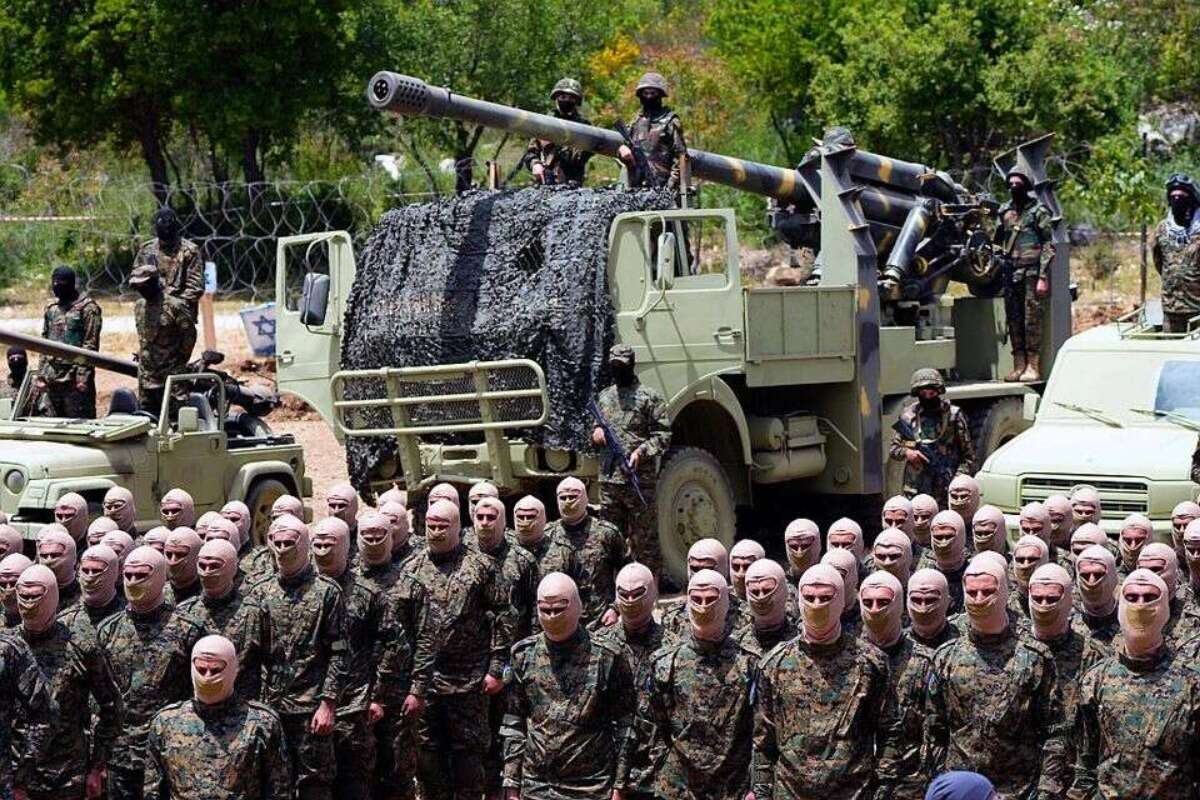
The European diplomat argued that the refugee problem in southern Lebanon, involving more than 1 million people, and the destruction of all the villages and towns in southern Lebanon have already damaged that legitimacy and have also harmed Lebanese public support for the fight against Hezbollah. However, he also acknowledged that unlike during the Second Lebanon War in 2006, when Hezbollah was perceived as a military force defending Lebanon, it is now clear that it operates as Iran's long arm and does not hide it.
The solution, he said, is to cut Hezbollah off from its economic pipelines, including banks in Turkey that are currently being used to transfer funds to the organization.
On the military level, the European source proposed a two-part mechanism. The first would be to transfer some Hezbollah fighters into the Lebanese Army, whose soldiers' salaries would have to be raised in order to compete with Hezbollah. The second, in parallel, would be to carry out regional action against the terrorist organization with the help of the countries surrounding Lebanon.
Concerns in the Gulf states
On Iran, the diplomat said the central problem in negotiations with Tehran is the absence of a governing body capable of making decisions. According to him, as far as the West knows, Mojtaba Khamenei is alive but not really functioning, and there is a governing vacuum that prevents progress in the talks and the making of policy decisions.
"The decision to close the Strait of Hormuz was made by a naval officer in the Revolutionary Guards," the diplomat said. According to him, the decision to pursue a memorandum of understanding rather than an interim agreement stems from this weakness in the Iranian regime, with the aim being that during the 60 days of the ceasefire, the Iranians will organize themselves and formulate an orderly decision-making mechanism.
He assessed that the economic pressure on Iran has so far been effective, but stressed on the other hand that oil prices and the damage to the Western economy are weighing on Trump. He criticized the way the war has been conducted, saying that while Europe supported the previous war last June, it did not expect such a broad and comprehensive US-Israeli attack now, an offensive he described as "not properly planned" and one that had worsened the situation compared with the period of the nuclear agreement.
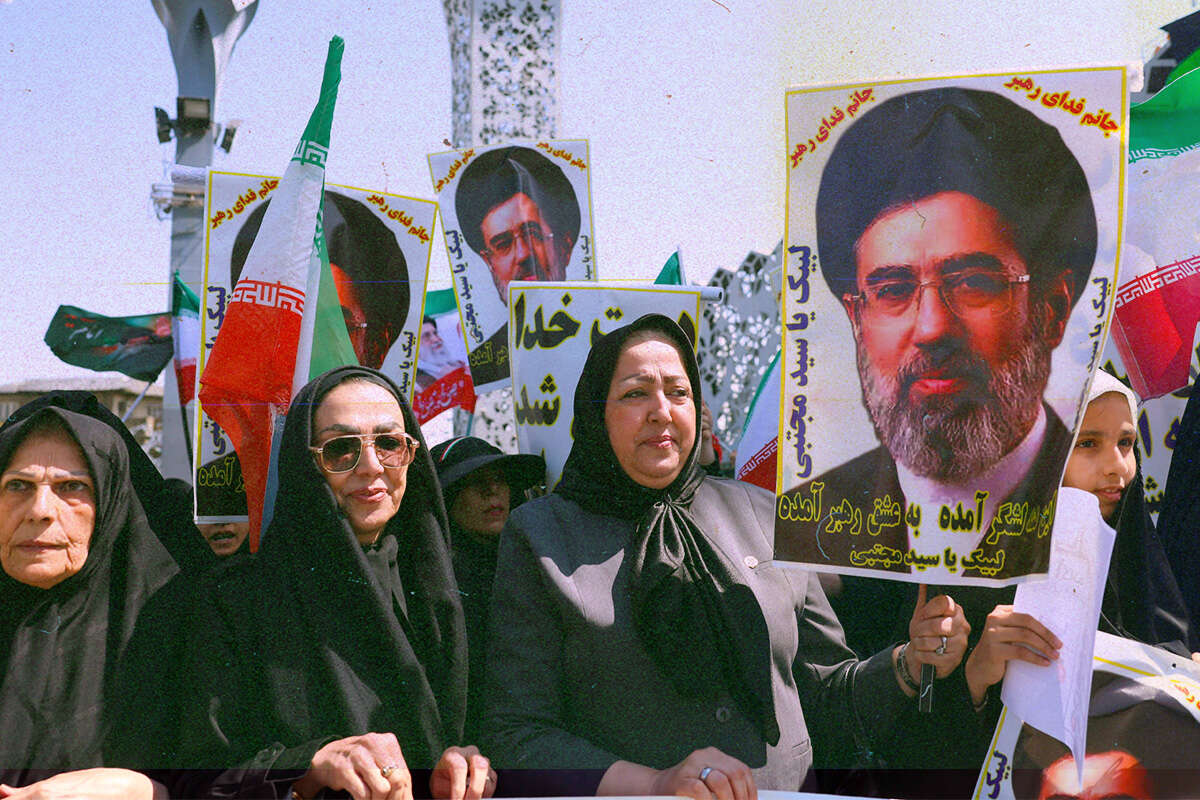
He also said the Gulf states feel the US may abandon them and are concerned by that possibility. The United Arab Emirates is strengthening its ties with Israel, which defended it during the war, while Saudi Arabia is expanding the new Sunni alliance with Pakistan and Turkey.
As for the results of the war, he said the Israeli-American attack had succeeded in significantly damaging Iran's ballistic missile program and military nuclear program, but that the available information was insufficient because Iran had hidden some of those projects in underground cities. He added that a policy of repeated rounds of fighting and "mowing the grass" cannot succeed against Iran, which he described as "a completely different story from Hamas or Hezbollah."