The exchanges of fire between Iranian and American forces over the past several nights have not yet deteriorated into a broader confrontation, but they reflect a deeper trend: Tehran's attempt to rebuild its deterrence against the United States, alongside an unwillingness to accept any effort to undermine the new status quo it seeks to impose in the Strait of Hormuz.
In recent days, military friction between Iran and the US has intensified in the Gulf. The pattern repeats itself: Tehran believes that tankers operating with American assistance, or US Navy vessels, are trying to challenge the new reality it seeks to impose in the Strait of Hormuz. In response, it acts against those vessels, prompting a measured American response, usually against an Iranian military facility in the region.
An Iranian limited response against American bases then follows, mainly in Kuwait and recently also in Bahrain, and the incident ends, at least temporarily, out of a shared desire by both sides to avoid sliding into a broader war.
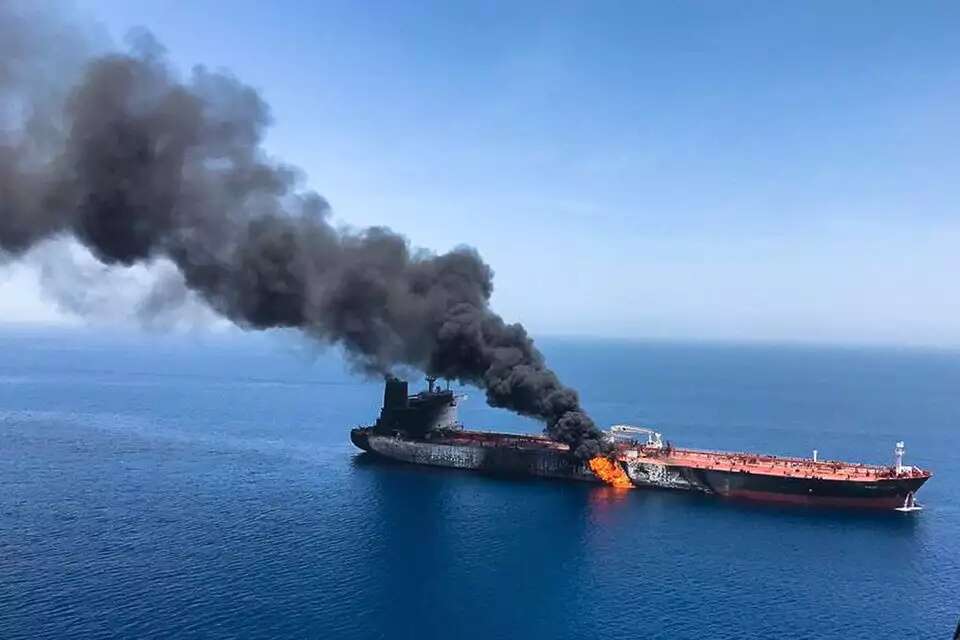
From Iran's perspective, this is an effort to preserve the status quo it seeks to establish in the Strait of Hormuz and to prevent the US from infringing on what Tehran claims as part of its sovereignty and freedom of action in the region. It is therefore reasonable to assume that any future attempt to undermine this reality will be met with a similar response. Beyond that, Tehran appears to be gradually raising the threshold of its response in an effort to establish a deterrence equation that will make the American administration think twice before trying to change the rules of the game.
The fact that these incidents have not so far led to a broad escalation attests to both sides' desire to avoid an all-out war. But in the absence of a diplomatic arrangement or clear understandings, the continued friction could eventually spiral out of control. The risk of that happening grows as Iran demonstrates a willingness to expand both the circle of attacks and the scale of its response.
Far more than the Strait of Hormuz
From Tehran's perspective, however, the story is far broader than Hormuz. The collapse of the concept of "forward defense," which rested on the idea that Iran's regional proxies would deter Israel and prevent a direct attack on Iran, requires a rethinking of its security doctrine. The realization that the proxies can no longer provide the same layer of strategic protection they once did is leading Iran to conclude that the most effective way to deter the US from future military action, or from supporting another Israeli strike, is by creating a direct deterrence equation with Washington.
Unlike in the past, when Supreme Leader Ali Khamenei avoided direct and sustained friction with the US as much as possible, Iran's leadership today seems more willing to accept and even initiate controlled friction with Washington. Its logic is simple: Only by demonstrating the price the US could pay in a confrontation with Iran can Tehran influence American decision-making in the future.
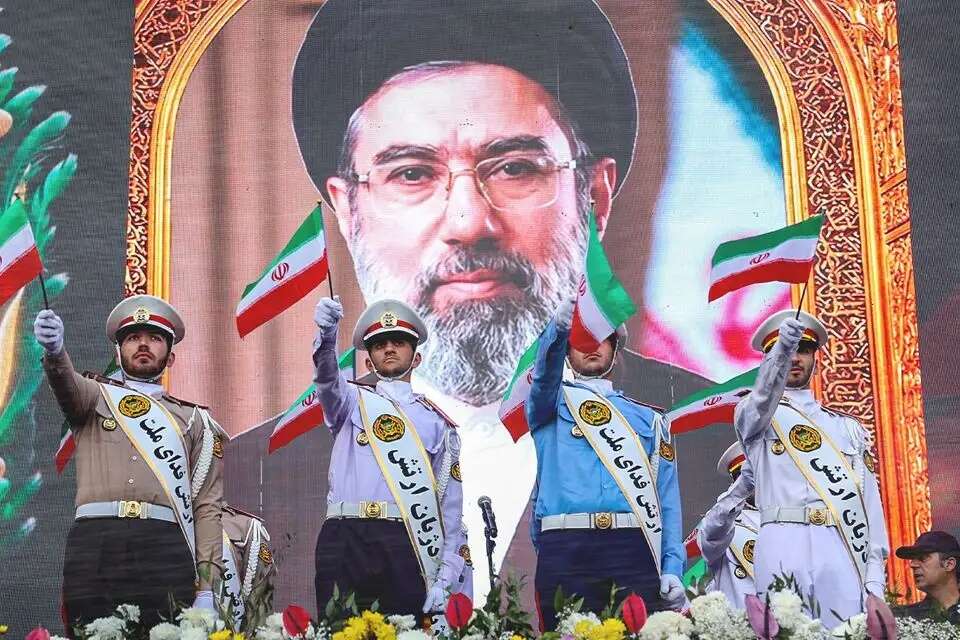
This does not mean that Iran wants an endless war with the US. On the contrary, Tehran seeks to leverage what it sees as its main achievement in the most recent campaign: the regime's survival and the preservation of its military capabilities. From its perspective, the ability to continue threatening the American presence in the Gulf is a central pillar in building its new deterrence equation.
At the same time, the option of disrupting traffic through the Strait of Hormuz, or even closing it during a crisis, remains one of the most important tools of influence in Iran's arsenal and will continue to play a central role in its deterrence posture toward any future American administration.
The truly important question is whether Tehran will settle for that. As the internal debate in Iran continues over the lessons of the latest war and the future of its national security doctrine, the discussion of the nuclear component may also become more prominent. If in the past the nuclear program was seen mainly as a bargaining chip and as a means of securing Iran's status as a threshold state, now the issue may be framed in broader terms of direct deterrence against the US.
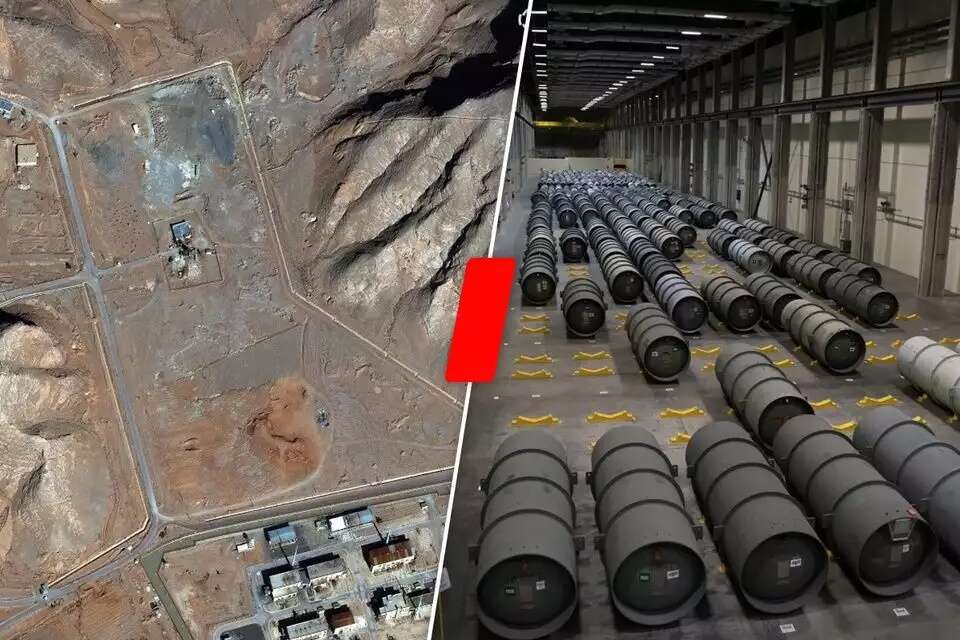
In this sense, it is entirely possible that the North Korean model will become a more significant point of reference in Tehran's strategic discussions, as part of the search for a formula that will guarantee the regime's security and prevent another future attempt to force it into war.