Israel and the US are fully coordinated, both on the strikes in Dahiyeh in Beirut and on the Israeli response to the missile fire from Iran. That diplomatic coordination is what ultimately resolved the short two-day round of fighting, after President Donald Trump was persuaded that Iran must not be allowed to achieve gains as a result of its attack on Israel.
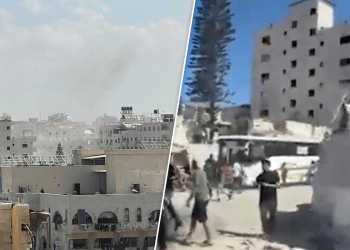
On Sunday night, Israel time, that did not seem to be the case. Israel struck in Dahiyeh, in line with understandings and coordination with the US after Hezbollah had deviated more than once, apparently deliberately, by firing at northern Israeli communities.
The equation set by Trump himself allowed Israel to strike in Dahiyeh, and the strike was coordinated with the US, according to several Israeli and American security and diplomatic officials. Iran decided to respond and try its luck at driving a wedge between Jerusalem and Washington by firing missiles at Israel, and at first it appeared to be succeeding.
Trump began making a series of statements and posts that raised serious concerns in Israel. This was done publicly and contrary to the practice between friends, through journalists, interviews and posts. Among other things, Trump said he would call Prime Minister Benjamin Netanyahu and tell him not to respond to the Iranian attack, and that Netanyahu would listen to him and would have to accept an agreement if one were signed with Iran.
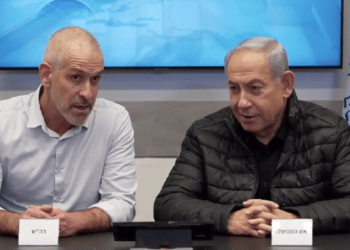
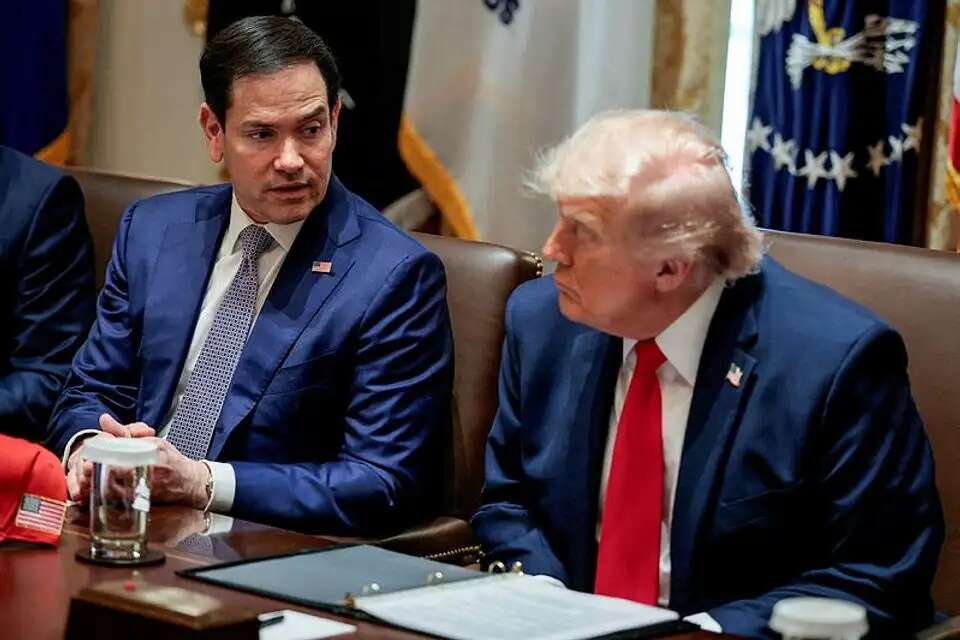
It appeared that Netanyahu had no choice but to show restraint, but in the early hours of Monday morning, Israel attacked. What happened in between changed the picture. After Trump's remarks, the two leaders held a fairly lengthy conversation, followed by a security and diplomatic consultation by the prime minister in Jerusalem and the president at the White House, with Secretary of State Marco Rubio playing a significant role in that discussion.
According to the sources Israel Hayom spoke with, Israel launched the strike after coordination and American consent, in effect consent from Trump himself. The lines that were drawn were for a powerful strike, but one limited to several hours. The targets were also agreed upon.
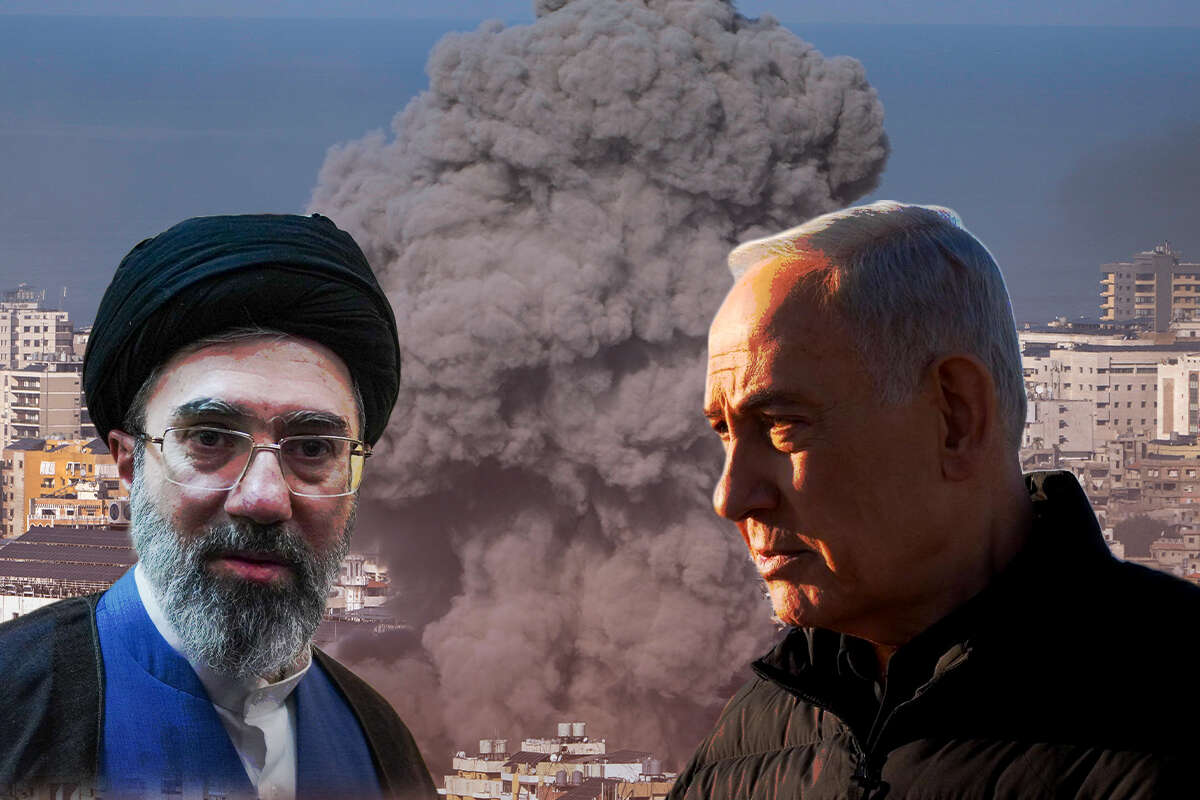
Netanyahu's tactic
It turns out that Netanyahu convinced Trump that failing to launch an attack would give Iran an advantage and might even harden its positions in the negotiations with the US. Iran is using the force it still has, roughly a quarter of its launchers and missiles, to gain achievements in contacts with Washington. When it recently used them for attacks in the Gulf, the Americans responded forcefully against those same radars and launchers. The argument that a response was essential was also raised in the conversation and won the backing of Secretary of State Rubio, who recalled his statement that a country that does not respond when it is attacked is a foolish country.
Another point: President Trump has said more than once in recent days that Lebanon and Iran are two separate issues, and that he is trying to quickly advance an agreement between the governments of Israel and Lebanon.
In Israel Hayom, we reported that according to officials familiar with the talks, such an agreement is close, and that in exactly two weeks direct negotiations are set to resume, potentially leading to such an agreement, which Trump views as important in the chain of agreements he boasts about. Netanyahu presumably raised this issue as well, warning that Iran, which publicly and officially opposes the agreement, was trying through its attacks on Israel to sabotage it. Hezbollah is not succeeding in doing so in Lebanon, and Iran is coming to its aid. It must not be allowed to do so. That was how this argument was said to have been framed.
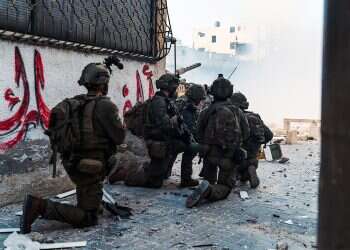
The hint that a strike was coming was given by IDF Chief of Staff Lt. Gen. Eyal Zamir, who issued a statement saying: We are ready to respond and are waiting only for the green light. Zamir spoke several times in recent days with Adm. Brad Cooper, commander of US Central Command, and his senior officers, ahead of the possibility of renewed escalation with Iran. Following the Zamir-Cooper conversations, the Israeli strikes were fully coordinated with CENTCOM, even though the Americans did not strike themselves. The same was true on the defensive side: Information about the launches from Iran came from the Americans, although Israel carried out all the interceptions by itself. This is in complete contradiction to a report in the US that Trump had ordered that Israel not be helped defensively if it attacked.
And as agreed between Netanyahu and Trump, after the Israeli strike and the Iranian fire in the morning hours, Israel conveyed a message to Iran that it did not intend to respond if Iran did not renew its fire. Not long afterward, Iran issued a similar statement, along with boasts about the achievements of its missiles.
The situation returned to the previous equations, with Iran now having to decide whether it will respond to continued Israeli strikes in Lebanon even if they are not carried out in Beirut. But even if there is no strike in Beirut, Iran may intervene again. Iran's fire on Sunday night was intended, among other things, to undermine the negotiations between the Israeli and Lebanese governments. In about two weeks, an important meeting between the sides is set to take place, with a draft framework agreement on the agenda. On "Hayom," we reported that the contacts between the sides are progressing and that there are almost no disagreements. Iran will seek to sabotage this. Trump, who wants to announce another peace agreement on his list of achievements, will be on our side in this case as well.