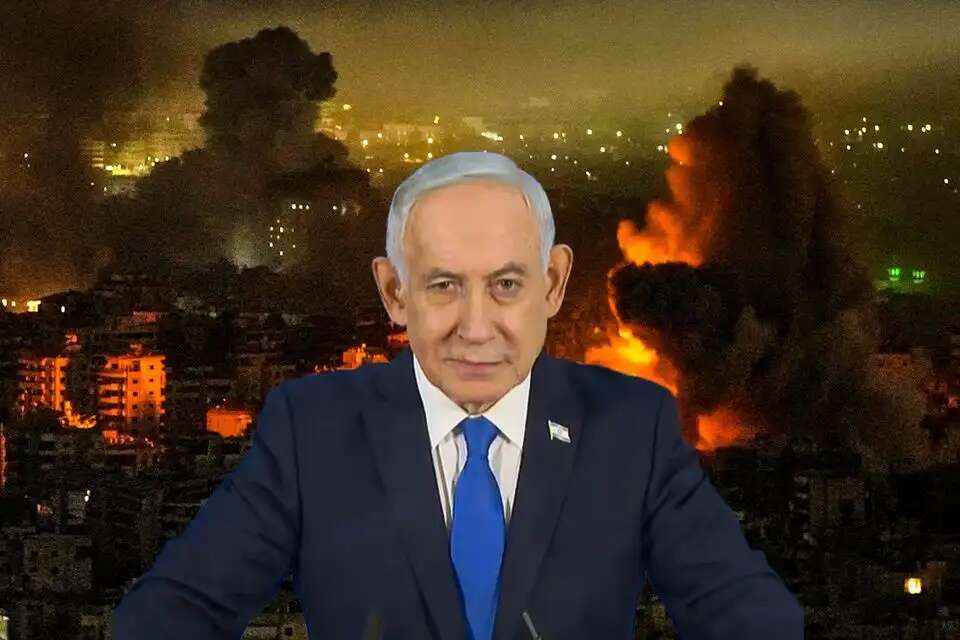
A year has passed since Operation Rising Lion, which was followed by Operation Roaring Lion, and one thing is clear: Israel's strategic position vis-à-vis Iran has deteriorated dramatically. The operational achievements were indeed impressive, but they created a strategic reality that makes it harder for Israel to confront the Iranian threat in the future.
About a year ago, Israel launched Operation Rising Lion to deal with two existential threats: Iran's nuclear project and Tehran's missile array. Later, during Operation Roaring Lion, the Israel Defense Forces and US Central Command operated together with the aim of toppling the Iranian regime and severely damaging its military and nuclear capabilities.
On the face of it, these operations produced many achievements: the elimination of senior Iranian regime officials, a significant blow to Iran's missile array and military production, as well as successes in Operation Midnight Hammer, which limited Iran's ability to enrich uranium on an industrial scale. These successes placed Israel in an impressive military position against Iran.
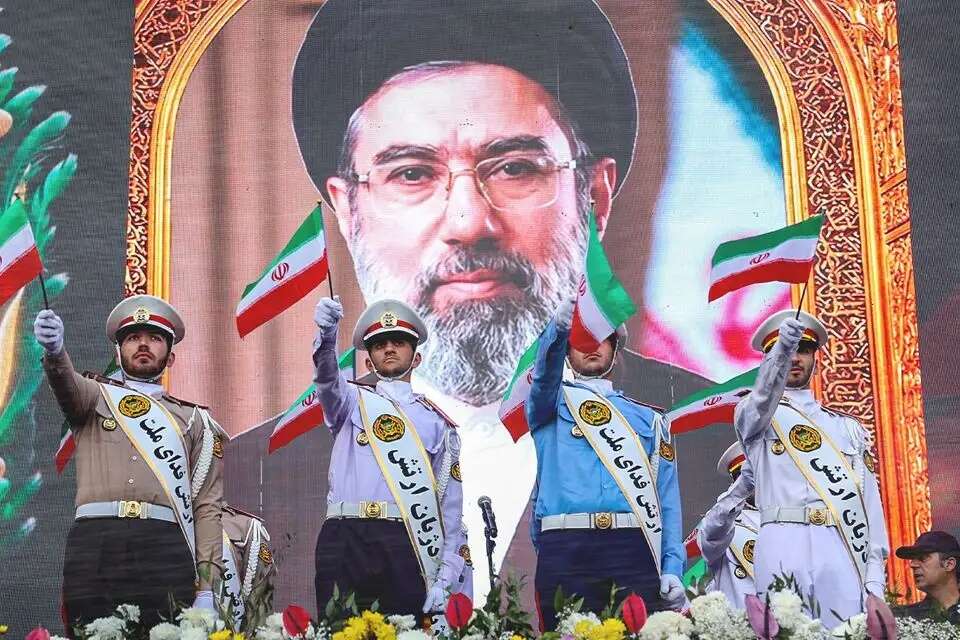
But a deeper look shows that the central failure stemmed from the arrogance and mistaken assumptions within Israel's security establishment, which believed that a limited series of military moves would bring about a fundamental change in Israel's strategic position on Tehran, including regime change. In practice, these moves failed to produce regime change in Iran, and even helped entrench a more extremist government. They also failed to deter Iran or bring about any significant change in its regional policy.

The illusion of regime change
Moreover, as recent events have shown, Iran is not deterred by Israel and is prepared to risk conflict in order to impose new equations, including preventing Israel from striking in Beirut in an effort to help Hezbollah preserve its status and capabilities inside Lebanon.
Worse still, the conduct of the US administration is adding to Israel's difficult situation. The United States is not only pursuing a deal with the Iranian regime, but is also restricting Israel's ability to act and emphasizing the need for the country to operate in line with its policy. The fact that Israel is not fully coordinated with the United States, and that its actions are constrained, significantly undermines its deterrence against Iran.
It is true that Iran's severe economic situation cannot be ignored, nor can the damage the Israeli campaign caused to its key production capabilities, including important petrochemical plants. However, reality shows that the regime's power has remained stable: the strikes did not lead to a general collapse, and even strengthened Tehran's control over its opponents, helping consolidate the regime in the face of all immediate challenges, at least for the near future.
A challenging reality
Despite the operational achievements, Iran survived the campaign and has become stronger and more self-confident: it is maintaining its missile and drone stockpiles, strengthening its nuclear project and is prepared to use all means available to advance its regional goals. This strategic reality is more complex and challenging for Israel, especially given its deep dependence on the United States and on the diplomatic and military assistance Washington provides.
Israel's government appears to be facing only problematic options, and a return to an agreement with Iran, even if the emerging deal addresses the nuclear issue, illustrates Israel's strategic helplessness. In addition, the reality in Iran is far from helping the Iranian citizen, as the demonstrations in the streets of Tehran show.
Therefore, despite the operational achievements, it can be said that these campaigns were the total failure: they did not deter Iran, did not bring about a fundamental change in the balance of power, and in many ways worsened Israel's strategic position on the Iranian regime while adding to its difficulties with American public opinion and the political system in Washington.