A senior diplomatic source told Israel Hayom that Israel would not be required to sign an agreement with Iran if such a deal is indeed reached to end the war, and that it would be able to defend itself against threats, but its conduct must be coordinated with the US. The source stressed that this mainly concerns issues relating to American commitments, if any are made, toward the other parties in the region.
Asked what Israel should do if Iran resumes its missile project and buries it deep underground, as it began doing in the months before the war, a move that was one of the main causes of the war, the source said the agreement was meant to prevent precisely that. He confirmed Israel Hayom's report on the details of the memorandum of understandings, which leaves the issue of missiles and support for regional terrorist organizations on the negotiating table.
The source further revealed that in a conversation between Trump and Netanyahu, Trump promised that the nuclear issue would be resolved in the most complete manner, otherwise there would be no deal. Trump made clear that all the reasons that led the two countries to go to war would be addressed, meaning the nuclear issue, the missiles and the terrorist organizations that rely on Iran, first and foremost Hezbollah.
According to the source, the issue of Lebanon was also raised and remains open, with the understanding that the rules of the most recent ceasefire agreement remain in force, under which Israel is permitted to strike whenever an emerging threat against it arises.
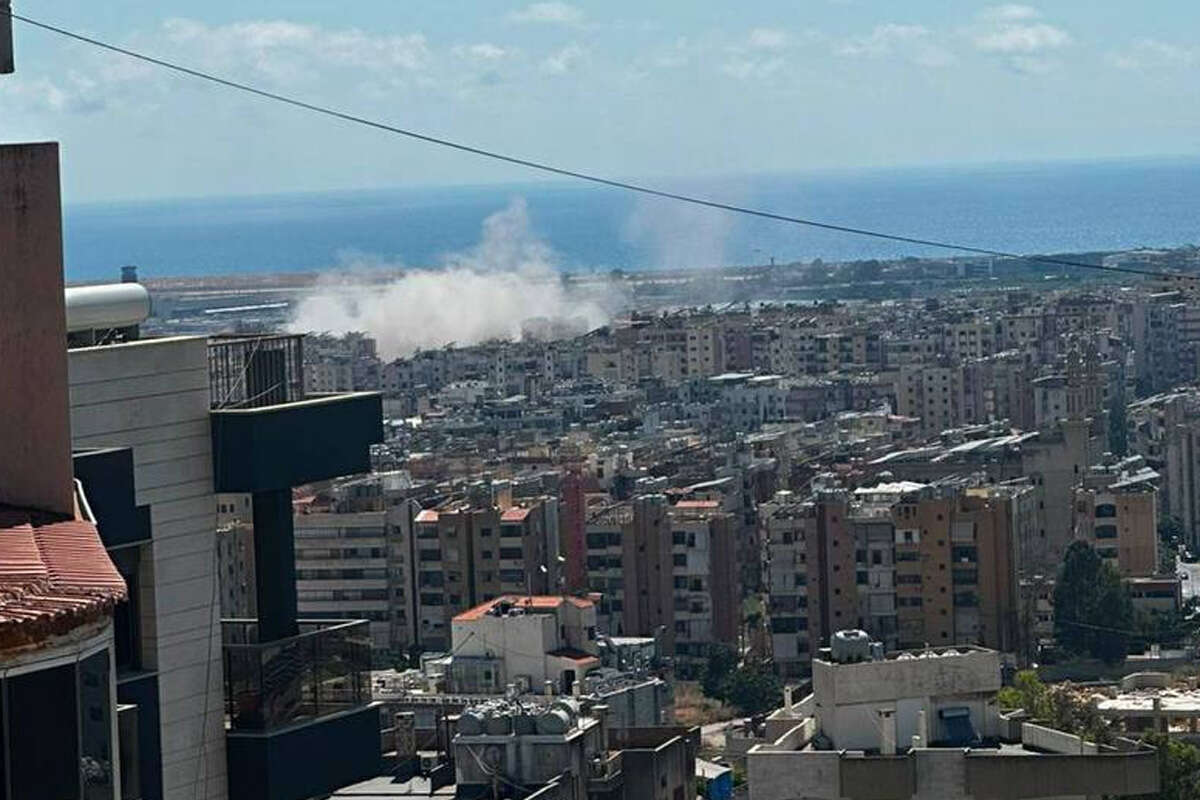
However, Israel will have to exercise caution during the negotiation period so as not to create a crisis in the talks. The apparent meaning of this statement is that strikes in Beirut are unlikely to take place unless there is a dramatic reason for them.
The possibility of toppling the regime
Asked what would happen if the negotiations with Iran do not lead to an agreement and the situation returns to the current starting point, with the Strait of Hormuz under threat and Iran carrying out military actions, the senior source said that in such a case, the issue of toppling the regime would be on the table for decision-makers in Washington.
The source noted that in talks with Iran's negotiating team over the past two weeks, they were made to understand that Trump would not accept Iranian refusal on the decisive issues, and that if the leadership there failed to respond to them wisely, he would use all necessary means to replace the regime.

It should be noted that this objective was a point of dispute during discussions about the war about six months ago and again about four months ago. Israel, contrary to reports, is skeptical about the chances of successfully toppling the regime within two months, the time frame allocated for the war, and warned that this was a long-term goal that would encounter fierce resistance from the regime.