"There will be no nuclear weapons for Iran. Trump and I agree on that," Prime Minister Benjamin Netanyahu said. The statement sounds simple, but it carries a meaning beyond the principle itself: It means that regardless of what the Trump administration is cooking up with the Iranians, Israel has not had the final word on the most important issue in any agreement with Iran.
Israel retains both the ability and the right to neutralize Iran. Defense Minister Israel Katz said explicitly that Israel reserves the right to act to prevent Iran from obtaining nuclear weapons, and the Americans accept that.
But at this stage, President Trump has become Iran's defensive asset against Israel. He is simply the only factor that can prevent Israel from dealing with Iran or Hezbollah according to the judgment of its security chiefs.
It can be assumed that by the time these lines are published, additional reports will have emerged to disperse the fog surrounding the agreement since Thursday evening.
Between Israeli pressure and American appeasement
The statements by the prime minister and the defense minister put pressure on both sides. They add to the Iranians' fear, despite the sympathetic interpretations they receive from experts afflicted by strategic Stockholm syndrome, namely admirers of the regime who have specialized in understanding it.
But Trump is also operating under the pressure of the red line set by Israel's leaders. An agreement that does not satisfy Israel on the nuclear issue will only invite further instability. As JD Vance noted, there comes a point at which Israel and the US have different, and sometimes conflicting, interests.
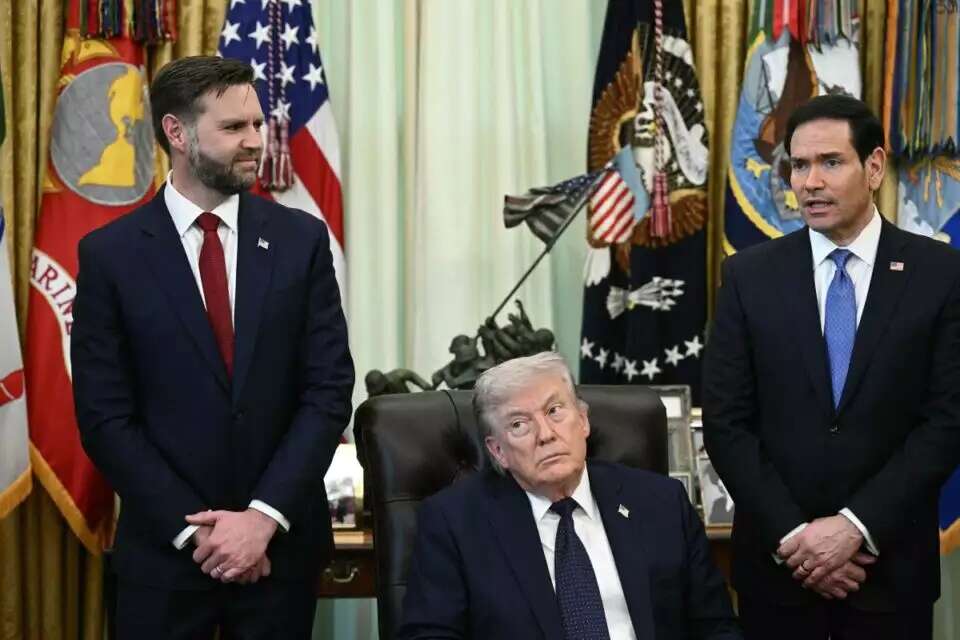
Most likely, the memorandum of understanding to be signed in Geneva will provide a relatively satisfactory answer on the nuclear aspect of the agreement. But this is still not an agreement, rather another breakthrough toward continued negotiations. These are intentions. In the meantime, Iran and the US want to open the Strait of Hormuz.
The signing in Geneva is being held deliberately as G7 leaders convene in Évian, a French city not far away. The emphasis is economic. There is talk of reintegrating Iran into the global economy. This entire side of the matter reeks strongly of appeasement.
The blackmail that bought a new lease on life
Instead of consistently focusing on toppling the Islamo-Nazi regime in Tehran, the US under President Trump is granting the ayatollahs a lease on life with no expiration date.
Years ago, Prime Minister Netanyahu assessed that nuclear weapons would give the Iranian regime about another 50 years of life. It turns out that the development of the nuclear project, even without reaching the finish line of a nuclear facility, has served Iran's leadership as a tool of international blackmail that achieves the same result.
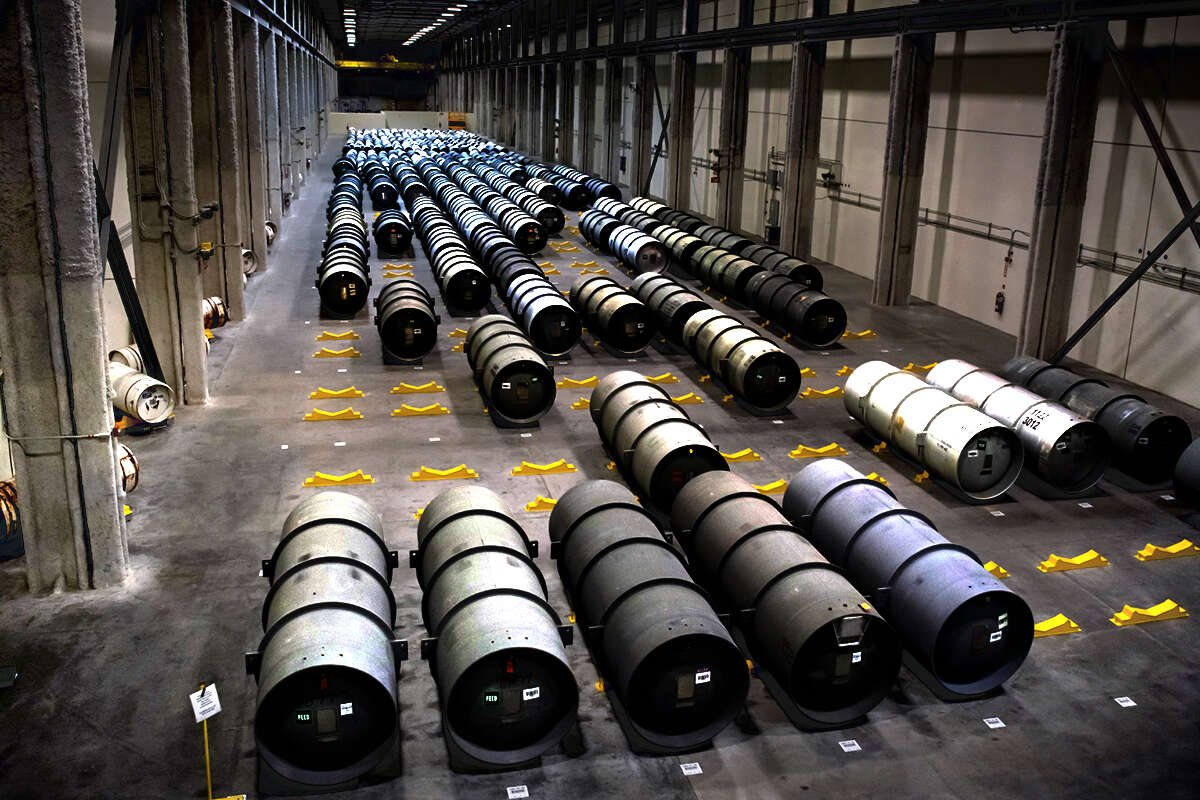
But there is still one small difference: If the agreement ultimately signed succeeds in neutralizing Iran's nuclear program for a significant period, then the nuclear threat over Israel will have been removed. Former Mossad Director David Barnea and the prime minister believed that only the fall of the regime would provide a complete answer, and they were right.
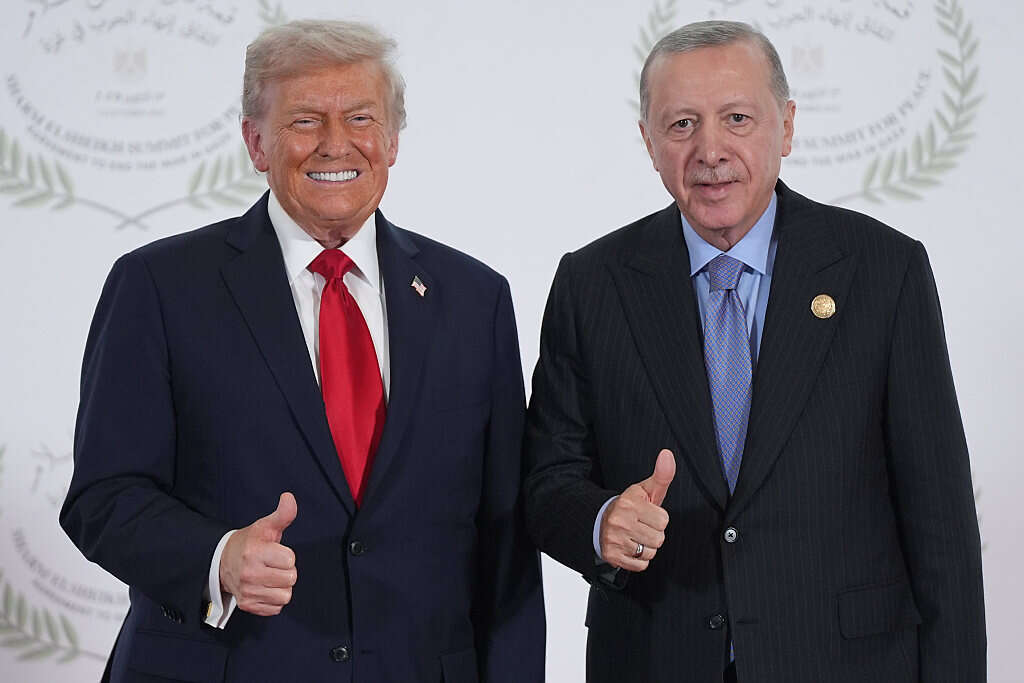
But it appears that already at the start of Operation Roaring Lion, the American president thwarted the Kurdish element in the strikes against Iran. Yes, and he did so under pressure from one of his preferred partners, Turkish dictator Recep Tayyip Erdogan.
Another red line Israel will have to insist on concerns the conditions for the Israel Defense Forces' withdrawal from Lebanon. The very linkage between Iran and Israel's agreement with Lebanon is highly problematic, unless Israel gets what it wants on the nuclear issue.
The bottom line is this: The US stood with us as an ally in an unprecedented operation, but at the negotiating stage, the president surrendered to the contractors of economic interests.