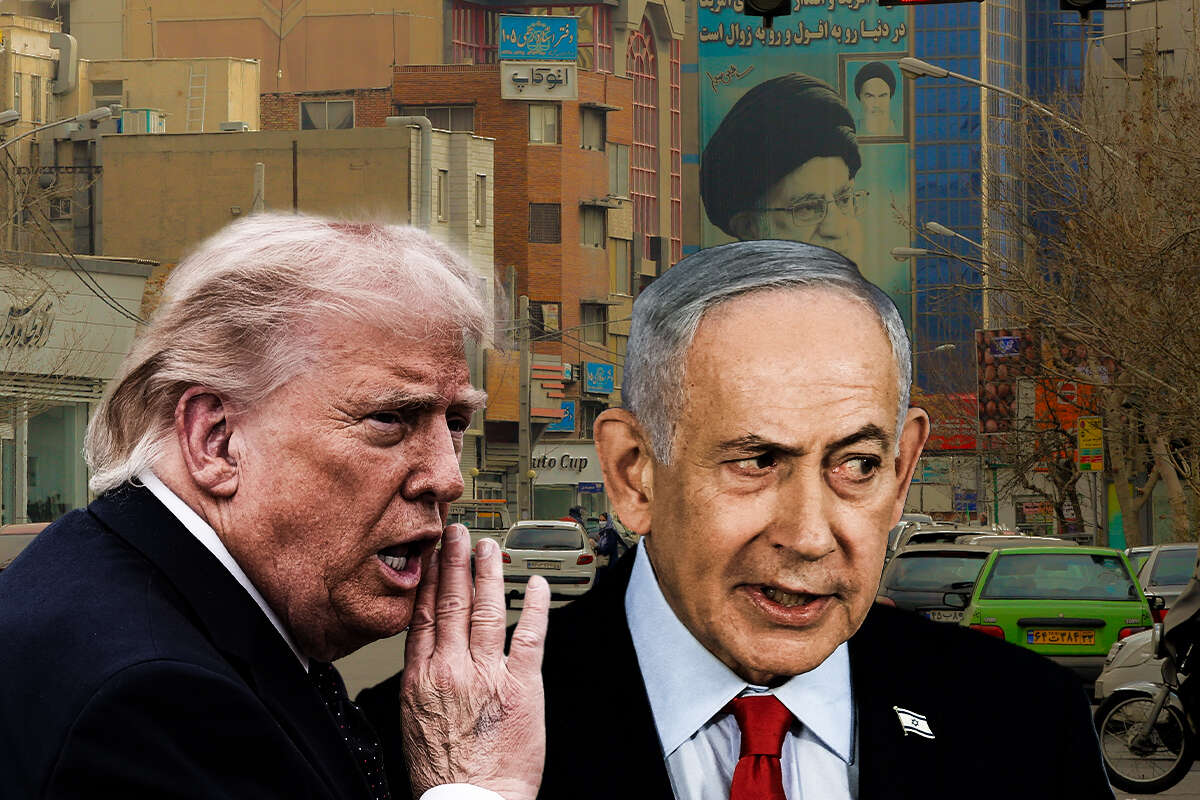
The framework agreement signed last week between the US and Iran clearly laid the groundwork for the link Iran has created with Hezbollah and Lebanon, turning Lebanon into the main gateway to any current negotiations and future arrangement between the two sides.
Iran's conduct on the first day of meetings out of 60, which are doubtful to be enough, surprised no one. We saw the warning signs over the past week, as Iran applied pressure, dug in, and even managed to secure the ceasefire in Lebanon as a condition for signing the framework agreement. The pressure being exerted by the US and President Donald Trump on Israel over Lebanon and Hezbollah reaches all the way to Tehran. They identify the pressure points and the rift that has opened between the US and Israel, and are exploiting the situation effectively to maximize their interests: strengthening the Shiite axis and preserving Hezbollah. They see an important future role for Hezbollah, and Iran has already proven that it is playing the long game.
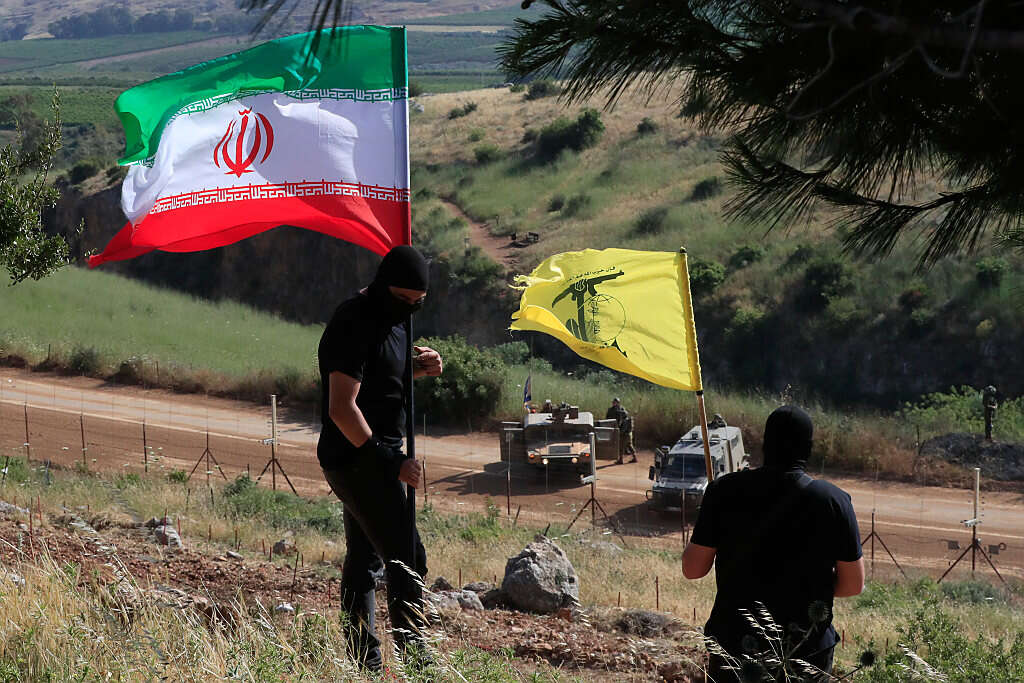
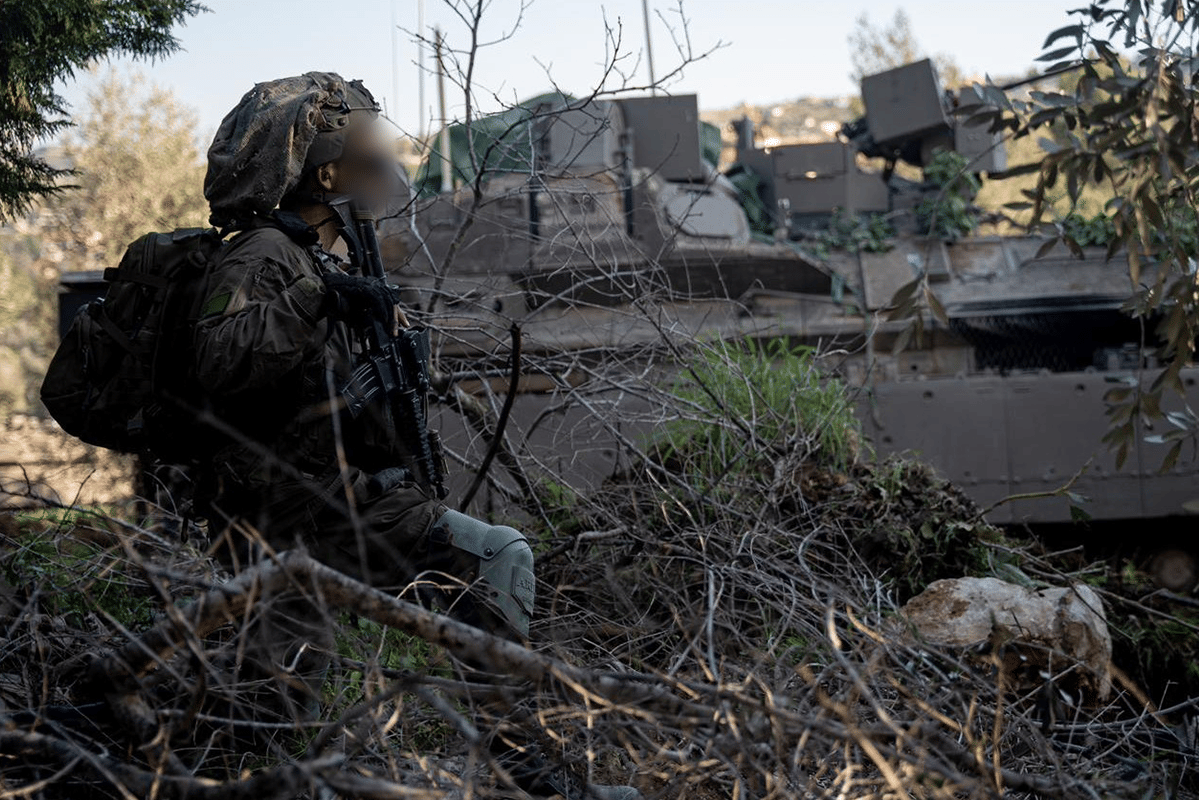
Israel is caught between a rock and a hard place, between its alliance with and commitment to the US and its national security interest. This is where the landmine lies: There is no real ceasefire in Lebanon. Hezbollah fires at and attacks Israel Defense Forces troops in the buffer zone every day. From Iran and Hezbollah's perspective, the framework agreement requires an Israeli withdrawal, while Israel, for its part, is holding the territory for justified security reasons. Israel is very limited in its ability to respond, and as a result, remaining in the buffer zone is becoming an almost impossible mission for the military, whose troops are becoming increasingly vulnerable.
Speeding up the negotiations with Lebanon
How can the situation be changed? Israel's toolbox offers limited options. Assuming that direct action now against President Trump's directives, namely an aggressive and disproportionate response, and how else can one respond to the killing of five soldiers in a single weekend, is not the preferred alternative at this point in time, Israel has only a few narrow courses of action available.
The second option is to accelerate negotiations with the Lebanese government until swift understandings are reached that would lead to real military action in southern Lebanon. Such a move could produce one of two outcomes: shifting the focus of the fire from the IDF to the Lebanese Armed Forces, with the risk of internal instability that would negatively affect Israel, or enabling the Lebanese government, in a process that would take time, to significantly weaken Hezbollah inside the country.
Another possible course of action is to continue holding the buffer zone in southern Lebanon with the consent of the US and the Lebanese government, and to return areas to the Lebanese Armed Forces only when it is ready to assume control of them, while reaching understandings on a reasonable scope of response that would allow for effective offensive defense.
The third option, withdrawing from the buffer zone amid the disagreements between Israel and the US, which would leave IDF troops without any meaningful ability to respond, would cause more harm than good.
Lebanon as a regional barometer
Iran will continue to use Lebanon as a bargaining chip in the negotiations and will at least try to push the Americans to the limit, with a desire to respond with a military provocation of its own to an "Israeli violation," a move that would in any case blow up the talks. Any regional arrangement will have to contend with questions concerning the sovereignty of the Lebanese state and Hezbollah's status.
Lebanon's success in strengthening its institutions and reducing its dependence on regional struggles could turn it from a crisis-ridden, marginal player into a stabilizing force in the Middle East. Today, more than ever, this is an Israeli interest, and we can do quite a lot to help make it happen.