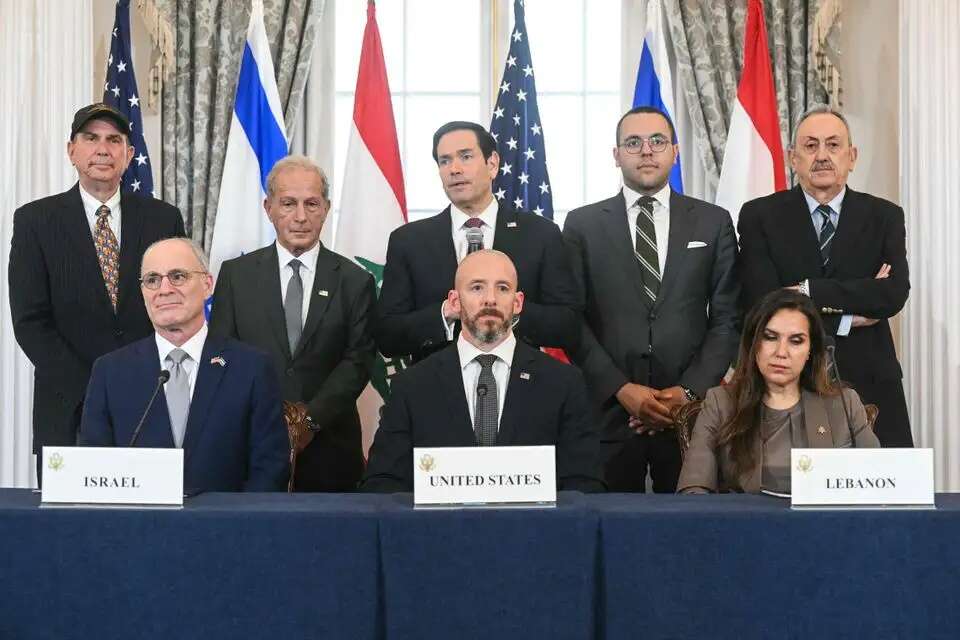
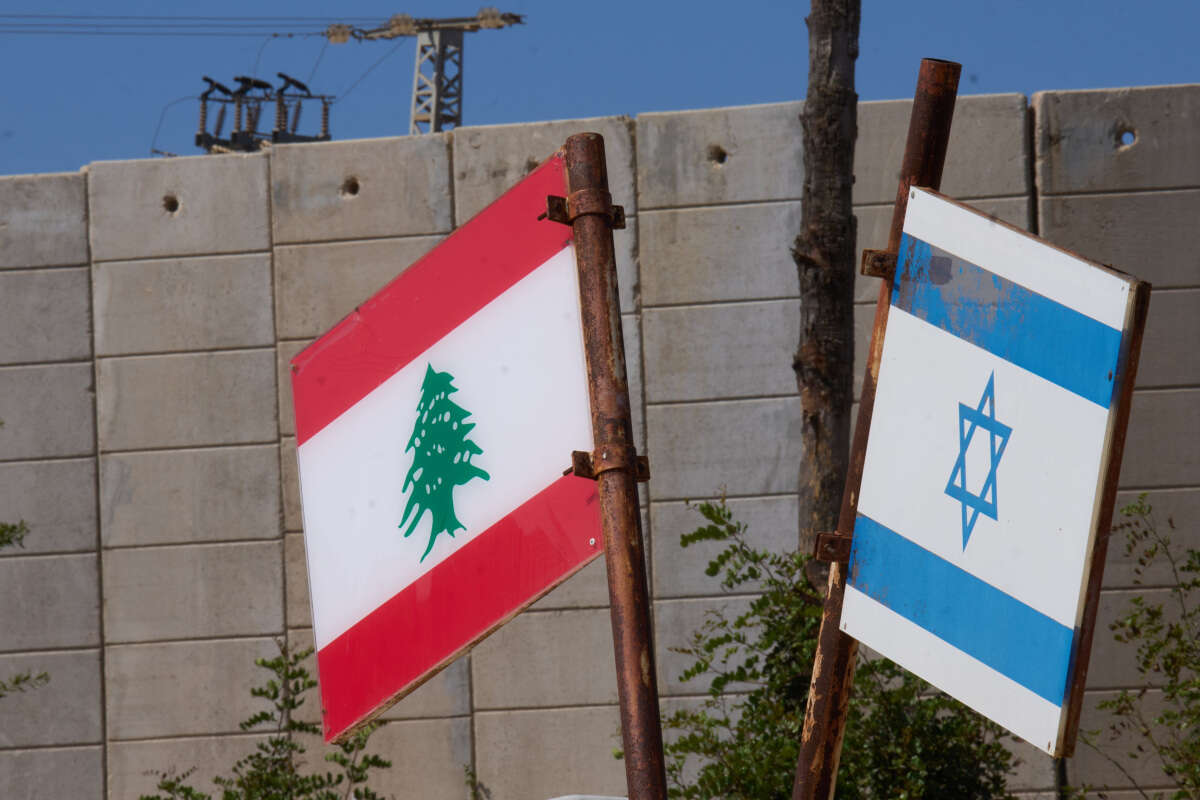
The agreement signed last night between Israel and Lebanon is a good agreement, on paper. The road to implementing it is long and full of obstacles, and past experience shows that its chances of success are not high.
The agreement contains 14 clauses, exactly like the framework agreement signed last week between the US and Iran. It includes grand words that are the dream of every Israeli, and every Lebanese, who wants to live: peace, security, an end to the conflict, and solutions to the root problems through dialogue, in direct negotiations mediated by the US.
The agreement addresses at least three issues that deeply concerned Israel. The first is the fear that the Israel Defense Forces would be required to withdraw from Lebanon immediately, and that Hezbollah would seize the areas vacated. It was agreed that the withdrawal would be gradual and contingent on the Lebanese army taking control of the territory. The Lebanese undertake to disarm "all nonstate armed groups" (Hezbollah is not mentioned explicitly in the agreement), and the infrastructure linked to them.
The second issue is verification of the process. In Israel, based on past experience, there is concern that the Lebanese army will do a partial job at best, and in practice serve as cover for Hezbollah to return to the area. The agreement requires verification of Lebanese activity, under American monitoring and supervision. IDF withdrawals will take place only subject to progress in the plan, while Lebanon undertakes not to allow those nonstate armed groups to operate anywhere in its territory, or even to receive funds directly or indirectly.
The third issue is the severing of ties with Iran. In the agreement, Lebanon rejects "the claims of any state" (meaning Iran) and of "any nonstate actor" (meaning Hezbollah) to use force on its behalf, and in effect determines that Iran is harming its interests. This Lebanese determination, at least on paper, undercuts the Iranian attempt to link the different fronts. The Iranians hoped to preserve their effective control over Lebanon and Hezbollah as the de facto power in the country, in a way that would maintain a constant threat to Israel on their behalf.
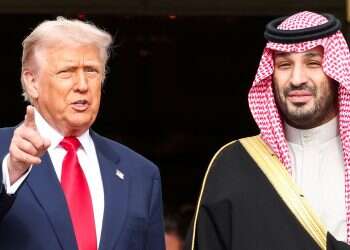
Alongside these three central issues, the agreement addresses several other matters that trouble Israel and Lebanon. They range from the self-evident need to preserve the right to self-defense, through the reconstruction of Lebanon (also with the help of additional countries that the US will recruit), to dealing with the issue of prisoners and missing persons (an allusion to Ron Arad, the Israeli navigator missing since his plane was downed over Lebanon in 1986). Nor is there any absence of thanks to President Donald Trump, who will surely rush to add the agreement to the list of peace agreements he boasts of having achieved, even if most of them have not yet matured.
Iran will try to challenge the agreement
As always with agreements, this time too the test will be implementation on the ground. Behind the fine words lie many question marks, several of which must be emphasized. The main one is Lebanon's real ability to meet the commitments it has taken upon itself. The Lebanese army was supposed to take control of the country's south after the ceasefire agreed in November 2024 as well, and it proved then that it was unable, or unwilling, to do so. The Americans were also in the loop then, as judges, and failed to move the plot toward a positive ending. The current agreement states that Lebanon will need the assistance of foreign actors to meet its commitment. It does not specify which actors are involved, or how they will operate. These details, which have not yet been agreed, will make it possible to assess the agreement's chances of success, or failure.
The agreement also does not specify timetables for Lebanese action. The sides did agree to begin with a pilot, involving areas the IDF will evacuate and where the Lebanese army will start operating, but nothing beyond that. Here is a first test: The IDF is now positioned north of Beaufort Castle, in the area of the village of Tebnine, beneath which Hezbollah built its main command-and-control infrastructure in the area. Under the agreement, and the American demand, the IDF is barred from acting on its own against this infrastructure, which was built with Iranian investment of hundreds of millions of dollars. The matter will now be left to the Lebanese and the Americans to handle.
Lebanon also undertakes in the agreement to work toward outlawing all those "nonstate armed groups." This is expected to be a complex matter because some of these groups, above all Hezbollah, have a political wing that represents a major community in Lebanon (the Shiites) and is represented in the Lebanese parliament and government. Hezbollah will certainly not sit quietly: Beyond sending its supporters into the streets, it may also act militarily to provoke an Israeli response, in an attempt to set the understandings ablaze.
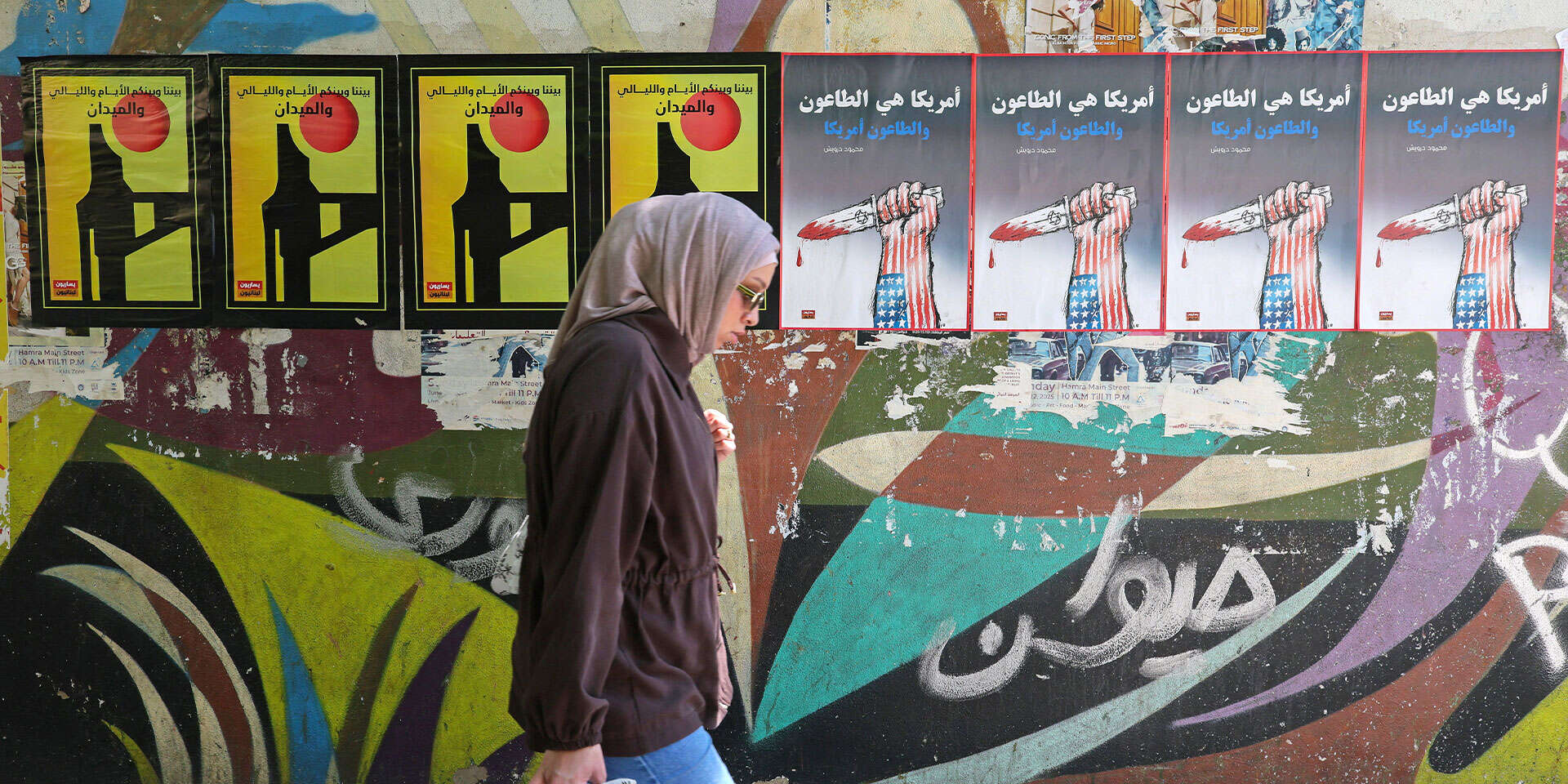
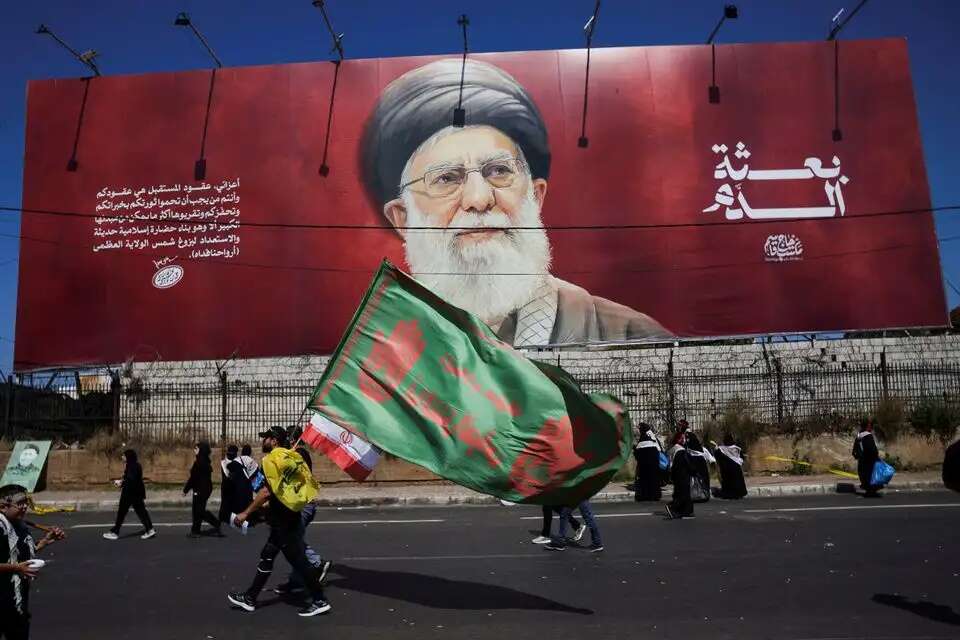
The Iranian issue is also in question. Tehran will certainly look for ways to preserve and grease Hezbollah in the future as well, but it has an even stronger tool in its hands: the negotiations with the Americans. It is reasonable to assume that Tehran will try to use them to torpedo the agreement with Lebanon, and the American challenge will be to separate the fronts. In Israel, officials will surely hope that Iran will go wild and bring its own affairs crashing down on its head, in a way that would renew the direct military threat to the regime in Tehran.
And one final challenge: Lebanese President Joseph Aoun, who is leading the push for the agreement on the Lebanese side, could become a central assassination target for opponents of the agreement, led by Hezbollah. One must hope that this will not be "his" agreement, but Lebanon's agreement, including a broad base of public and political support that will enable it to move forward.
What happens if Trump falls in love with the agreement?
And after all this, the chances. Israel and Lebanon have learned plenty from agreements that were not worth the paper they were signed on. From the agreement formulated with the Gemayel government near the end of the first stage of the First Lebanon War, which led to nothing (apart from the assassination of the Lebanese president); through UN Security Council Resolution 1701, which ended the Second Lebanon War and in practice enabled Hezbollah's rapid buildup and the transformation of southern Lebanon into Hezbollahland; and up to, as noted, the agreement reached about a year and a half ago, which was not implemented.
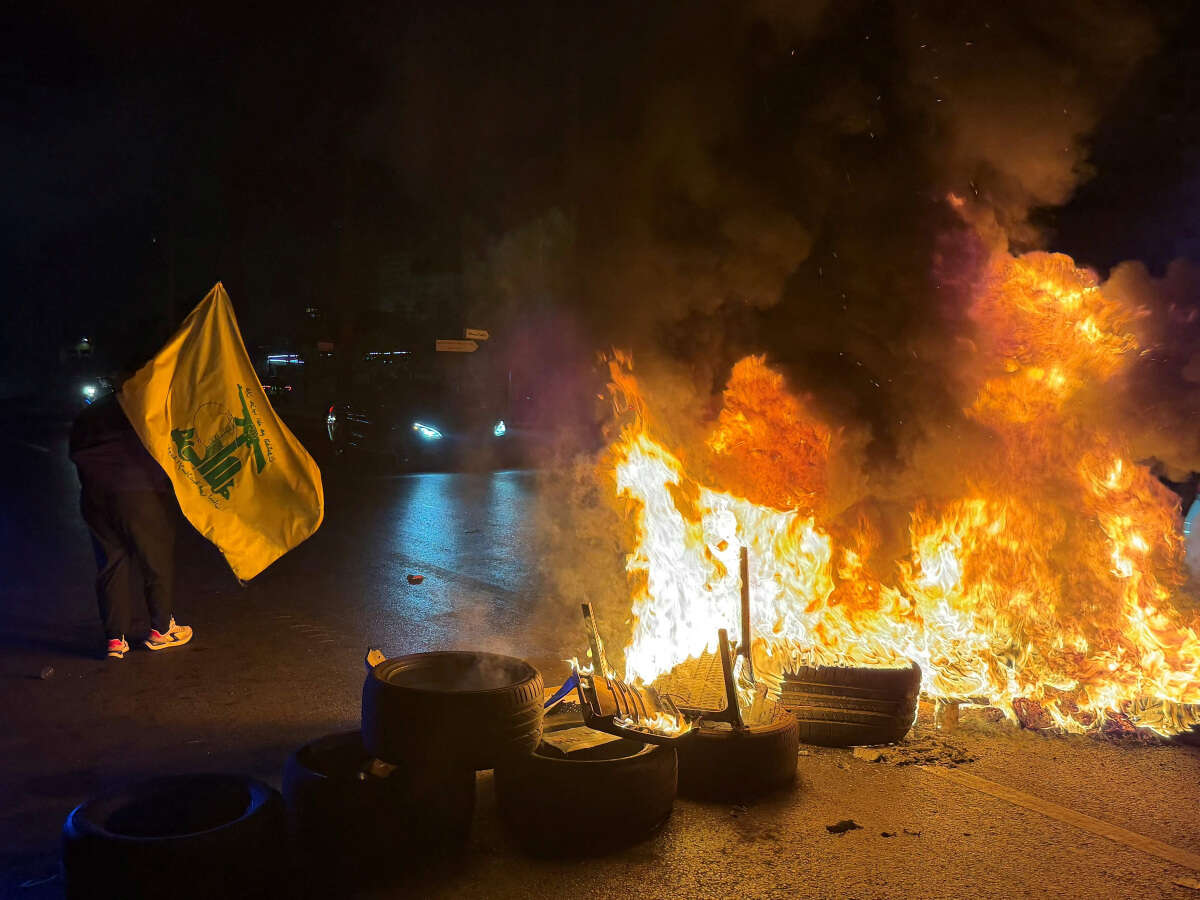
Israel promises itself that it will be able to remain in Lebanon if the agreement is not implemented, but reality could teach otherwise. Trump has a short fuse and a tendency to see half-baked dishes as gourmet delicacies. He may try to speed things up and force various moves on the sides. And here is the dilemma: whether to move quickly in an attempt to create facts on the ground, even partial ones, or to act slowly while taking the risk that at any moment someone, or something, could torpedo everything.