Defense Ministry Director General Maj. Gen. (res.) Amir Baram made important remarks this week about the gaps between the US and Israel on Iran. "We must not judge current American policy through provincial tools," he explained at a conference in central Israel.
Indeed, even before getting into the substance of his explanation, Baram is right in expecting Israeli commentators to look at events through an international lens, and not only from our own local perspective. This provincialism, at times downright childish, is common on both sides of Israel's political divide. On the left and the right alike, people whine when an American president, whether his name is Trump or Obama, acts according to what is good for him and not according to what is good for Israel. It is an embarrassing approach.
Baram, who is in close contact with senior American officials and is probably free of the political constraints that bind the elected leadership, clearly explained what caused America to suddenly soften its stance toward Iran. "What some in Israel perceive as weakness and folly is perceived in Washington as cold, calculated and sober risk management in an era of shifting global attention," he said. In other words, America is not stupid, but is conducting its moves in the Gulf from an entirely different point of view.
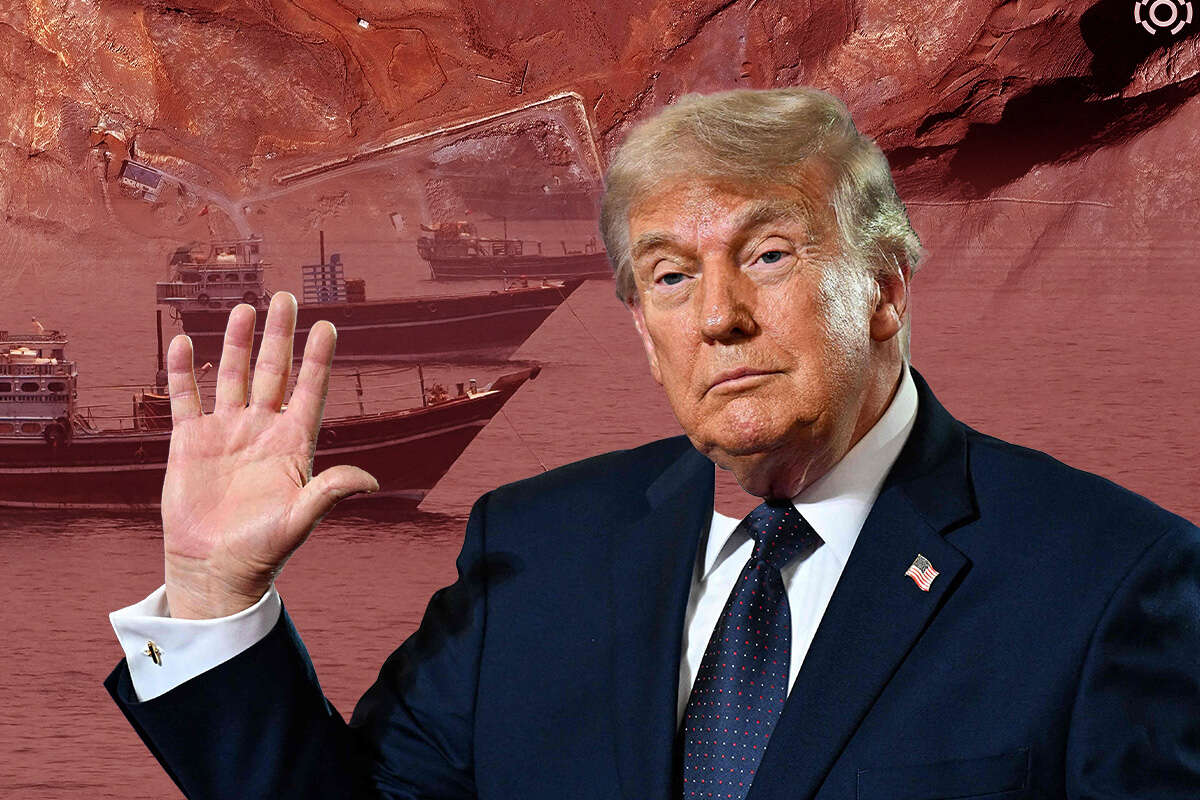
"The difference between us is not in understanding the threat, but in the order of priorities. For us, Iran is an existential threat. For the US, it is a chronic regional challenge, while China and the Indo-Pacific sphere are the core challenge. We think Tehran. They think Taiwan," Baram said, neatly summing up the meaning of this gap.
He also said, "If there is one thing the Americans hate more than this war, which dragged on for them, it is losing a campaign they have already won." In other words, in Baram's view too, America and Israel have won militarily. But because of the considerations mentioned above, Trump will apparently reap the fruits of victory at a later date. For example, after the midterm elections, or when the US stockpiles of missiles and interceptors return to the required levels, or under any other combination of circumstances Trump deems appropriate. But one thing is certain: As far as he is concerned, the account remains open.
Not a one-and-done strike
There are many reasons to believe Baram is right. America has its own considerations, dimensions and pace. We Israelis improvise, then land a blow and call it done. America works slowly and methodically.
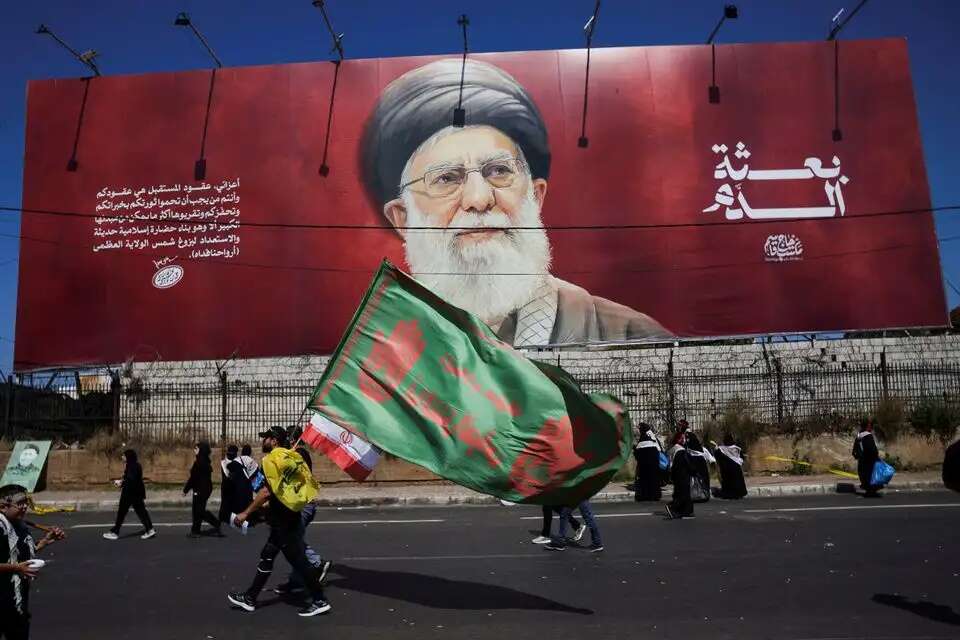
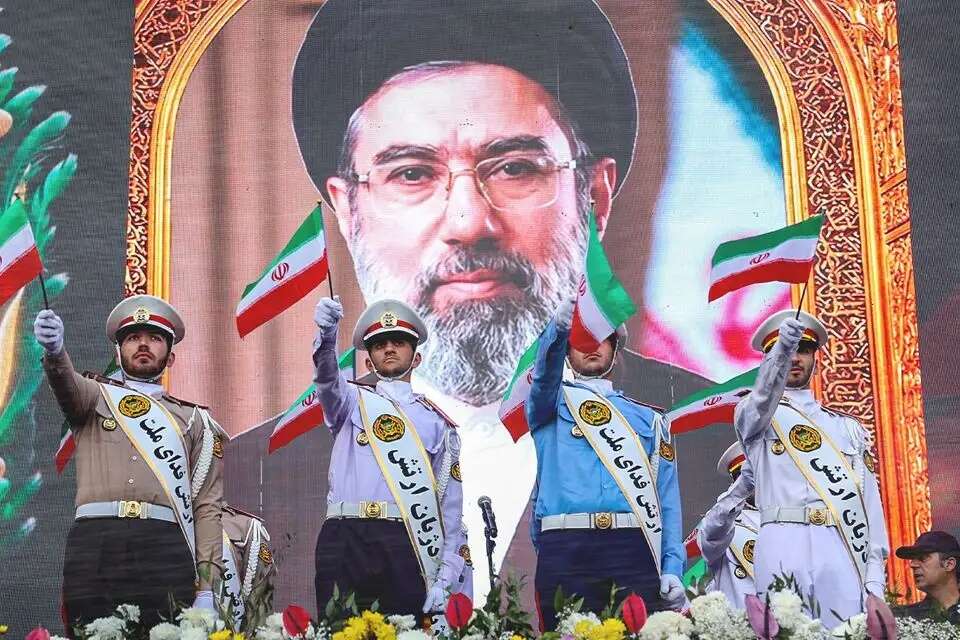
There is no doubt that the war did not reach the expected point. But nothing is over, either. The International Monetary Fund is predicting grim times for the Iranian economy, which was shattered even before the war. The regime, even if it has survived for now, is internally dismantled. Its leader, assuming he even exists, has not been seen anywhere, at any time. So while the Iranian show goes on, it cannot change the objective reality.
Moreover, the world in general, and the region in particular, are adapting to life without the Strait of Hormuz. These are not projects that take a day or two, but in the long term everyone understands that alternatives must be found to the shipping route Iran plays with as it sees fit. When that card is taken out of Iran's hands, it will be weaker.
Nothing is over
So while Trump made quite a few mistakes before and during the war, his public feuds with NATO countries caused them to stay on the fence when he needed their help opening the strait; Trump himself failed to understand in advance how much Iran's grip on Hormuz would affect the global economy. Still, nothing is over. And in any case, in the long term, it is good for the world, for America and for Israel that Iran was attacked now, and not in two or five years, when it would be more heavily armed, stronger and perhaps also nuclear.
So for now, Operation Epic Fury may not be perceived as a success, but as with the 1981 bombing of the Iraqi nuclear reactor — the world will thank Trump for pre-empting the danger.