The annual NATO summit will open in Ankara this coming Tuesday, and preparations in Turkey are at their peak for what Ankara hopes will be an unusually large show of force: 52 heads of state and representatives from the alliance's 32 member states, as well as nine additional countries invited to the summit, some 3,000 journalists and about 56,000 security personnel securing the event, according to Turkish authorities.
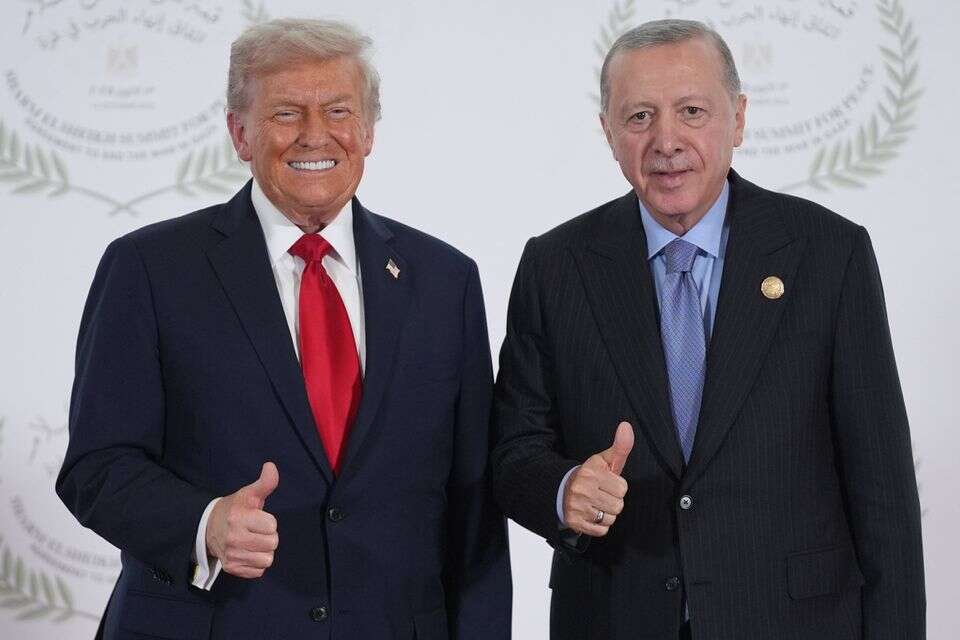
At the center of the summit will be two processes that have reached their peak this year and will shape the world's most important military alliance in the years ahead: the confrontation between the US and the European members of the alliance, and Turkey's rise, accompanied not only by what appears to be a close friendship between US President Donald Trump and Recep Tayyip Erdogan, but also by military and industrial strengthening that has reached fruition in recent years.
Isolationist approach
Trump and his administration's attitude toward the US' veteran Western allies was clear from the outset, against the backdrop of the campaign that returned isolationism to the center of the American stage, and was also fueled by clear value gaps with those same countries. But after the initial confrontation over Ukraine and European efforts at flattery in an attempt to force Kyiv into a surrender agreement with Russia, it was actually the previous NATO summit, held in The Hague, that managed to project an image of success around the joint agreement to raise the defense spending threshold from 2% to 5% of GDP by 2035.
That agreement, however, did not change the trajectory of relations under Trump, which seemed driven not only by his view of the utility the US derives from the alliance, but also by deep contempt for its European members and for Canada.
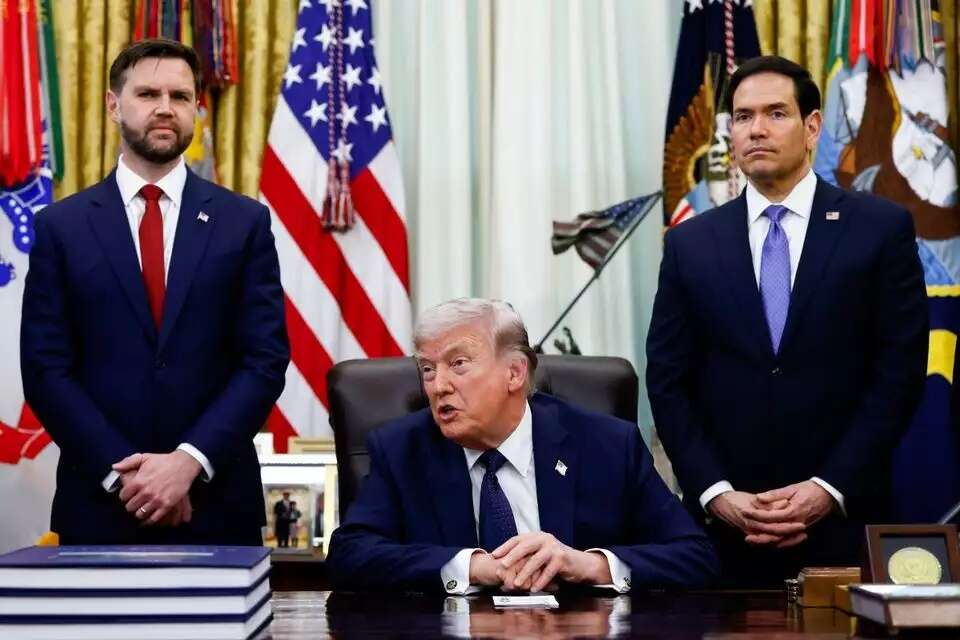
Trump has managed to insult almost every European leader, including those considered close to him, among them Italian Prime Minister Giorgia Meloni. In an almost unprecedented move, he hinted that he would not rule out the use of military force to seize Greenland and detach it from Denmark, a step that led to the unthinkable scenario of European countries holding a symbolic military exercise on the island in an attempt to signal their readiness to defend it.
"Far from the front lines"
From there, he went on to belittle the memory of European soldiers who fell alongside Americans in Afghanistan, claiming they had been "a little behind, far from the front lines." The deterioration in relations went as far as the president threatening to withdraw from the alliance, which he called a "paper tiger." Alongside this, in the national security strategy document the administration published last December, Trump called for "cultivating resistance to Europe's current path within the countries of the continent," praised the rise of "patriotic" parties there, and accused its governments of "censoring freedom of speech and suppressing political opposition" and of losing their national identity.
In Europe, the document was perceived as a blatant attempt to interfere in the internal affairs of allies. At the same time, the president repeatedly threatened to withdraw American forces from the continent, effectively reduced the forces Washington allocates to NATO defense plans, and launched a reassessment of the entire US military presence in Europe.
Refusing the president's demand
The war with Iran once again brought the tensions to the surface, but this time it came after a year of American blows against Europe, increasing the willingness of alliance members to stand up to Trump. The president demanded that allies assist in reopening the Strait of Hormuz, which had been blocked following the war, and explicitly tied the US' willingness to continue supporting NATO to compliance with his demand, warning that a negative answer "would be very bad for the future of NATO."
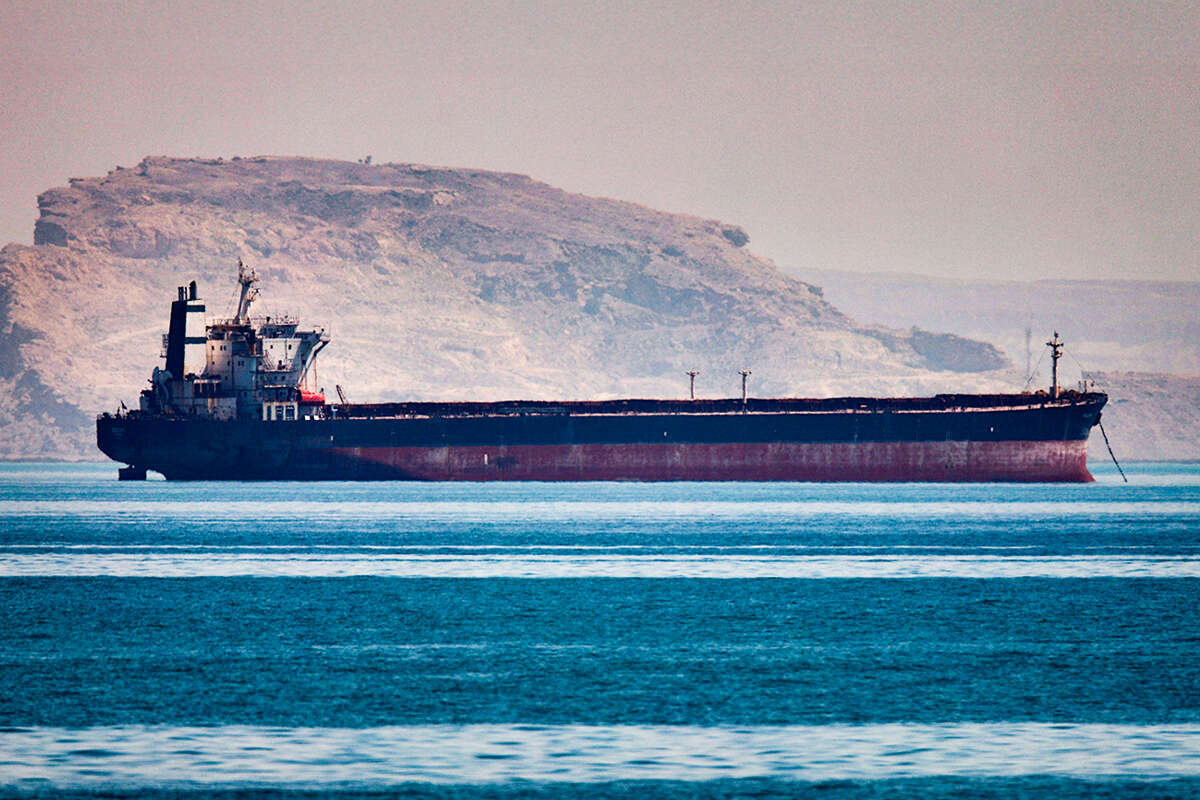
Still, his message to the countries that abstained was double-edged: He insisted that the US did not need anyone's help and had already won the campaign, but at the same time demanded that they stand by its side, making clear that he would remember those who did not.
But it appears that this did not convince anyone. Across the continent, the war is not seen as an American success but as a colossal failure. European leaders, from hostile Spain, which refused to make its bases and airspace available to the US, to Italy and Germany, are boasting that they avoided being dragged into it and are seeking to gain political capital from the confrontation with the president.
"Not our war"
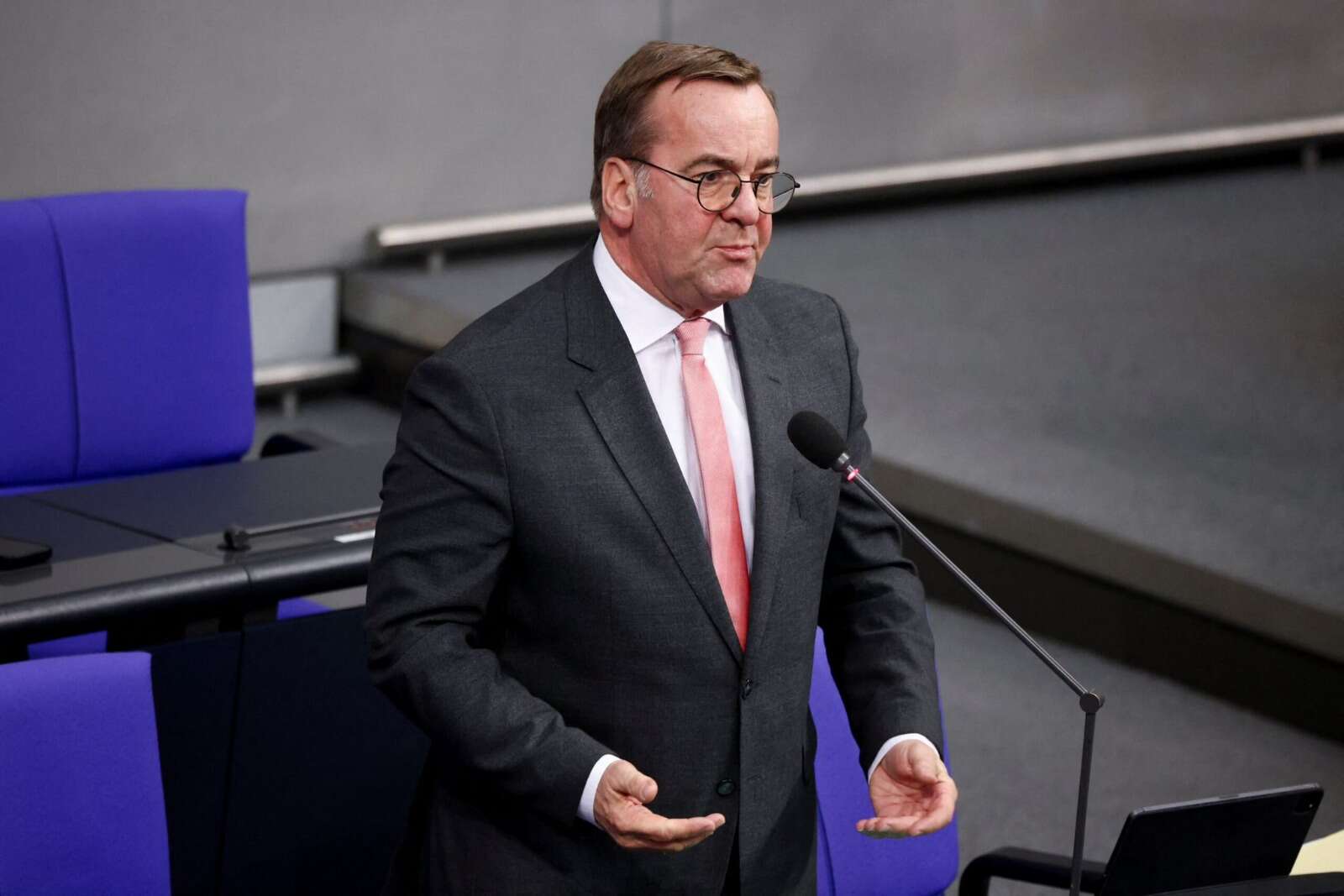
German Defense Minister Boris Pistorius stated that "this is not our war, we did not start it, but we understand its objectives." His chancellor, Friedrich Merz, has already claimed that the US is being humiliated by Iran, while the outgoing British prime minister boasted that he had not been dragged into the war behind the US. In another case, Meloni responded to Trump after he attacked her popularity, saying that "being your friend certainly has not helped" her on that front.
And yet, the war exposed precisely how much the projection of American power in the region depends on access to bases on the continent. Ramstein Air Base in Germany remains an important command, coordination and medical evacuation hub in the operation against Iran, and US threats to reduce its presence there are not credible for now. The muscle-flexing by Italy, France and Spain, which refused American requests to use their bases, and the president's visible frustration, only demonstrated the extent to which the US also benefits from the principles laid down when the alliance was founded more than 75 years ago.
The American attempt to force Ukraine into surrender also appears to have failed, as extensive European assistance seems to have enabled Kyiv to reverse the balance of power in the campaign. The party that appears to have emerged strengthened from the campaign is Turkey and its leader, Erdogan. If at first the war seemed like a negative development for him, mainly because of the demonstration of Israeli influence in Washington and the close alliance between Jerusalem and Washington, over time what is emerging as its failure is actually strengthening Erdogan.
Even Iran's attacks on Turkey strengthened Ankara's standing in NATO: The US, Germany and Italy deployed ballistic missile interception systems on its territory, demonstrating their willingness to come to the aid of an ally in distress, and relations even warmed. And, of course, there was the thwarting of the Israeli-American "Kurdish plan," which spared him the scenario of Kurdish autonomy on his southern border, something he had been forced to "endure" for years in Syria.
"On Iran's side"
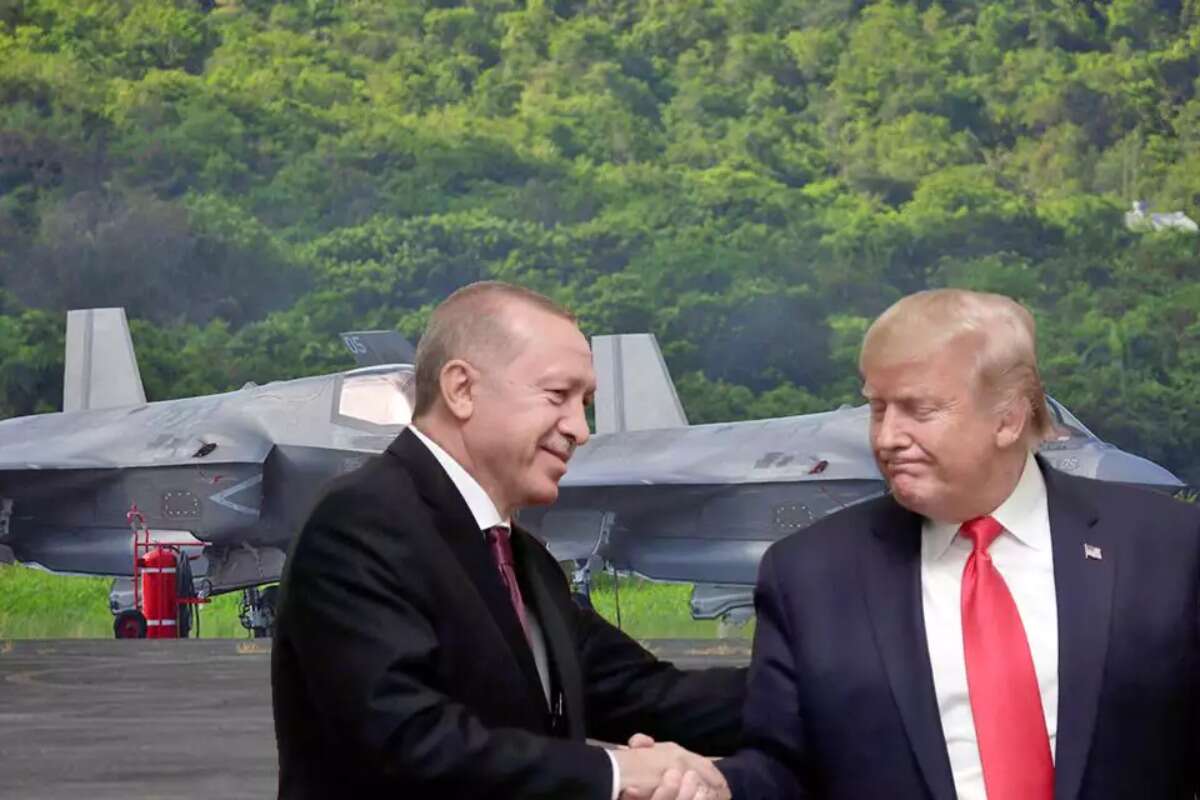
Not only that, but while Trump attacked and threatened almost every European leader for opposing the war with Iran, he is showering Erdogan with praise and gifts. The contrast is even more striking in Trump's own remarks, when he said Erdogan "could have joined the war ... on Iran's side," and that he himself had to ask him to "stay out," which supposedly won admiration from the American president.
On the same occasion, Trump again said Erdogan was a great leader and that he would come to the summit in Ankara out of respect for him, promising to bring "a gift that will make him very happy." In the background, of course, are the consistent reports that the administration wants to return Turkey to the F-35 fighter jet program, from which it was removed in 2019 because of its purchase of the Russian S-400 air defense system.
Another gift, certainly more immediate and more likely, is the F-110 engines intended to power Turkey's domestically produced KAAN fighter jet. The US State Department recently informed senior lawmakers that it intends to bypass congressional opposition and approve the sale of the engines to Ankara, in a deal worth more than $700 million.

Supplying engines for Turkey's independent fighter jet project is an example of Turkey's ambitions for its defense industries and the place it hopes to secure in the world with their help. According to the Stockholm International Peace Research Institute, Ankara already ranks as the world's 11th-largest arms exporter, and within five years it has doubled its share of the global arms market. According to official Turkish figures, its defense exports reached a record of about $10.5 billion last year, an increase of about 48% in one year.
The closeness between the US and Turkey does not place Erdogan on Washington's side in NATO's internal conflict. On the contrary. Europe is also determined to court the country that has the second-largest army in the alliance after the US, a trend that is growing stronger in light of fears of full American abandonment. Even now, although according to the Stockholm International Peace Research Institute, Turkey's main buyers remain Pakistan and the Gulf states, official Turkish figures claim that about 56% of its defense exports last year went to the European Union, NATO countries and the US.
Ahead of the summit, waves of arrests were carried out in Turkey against opposition figures and those suspected of potentially spoiling the celebration, alongside a ban on demonstrations in the capital. The current repression comes at a convenient time for Erdogan, after a Turkish court only recently removed the leader of the opposition party and replaced him with his failed predecessor in the role, leading to further unrest. All this, of course, does not cast a shadow over Trump's relations with Europe, and certainly not over his relations with Trump's America.
For Israel, the summit is of course taking place against the backdrop of escalating Turkish rhetoric against it, which peaked over the weekend when Foreign Minister Hakan Fidan, Erdogan's right-hand man, called Israel "a burden on the world," and not only a problem for Turkey. That same world, or at least a very important part of it, will show up this week at Erdogan's party in Ankara. This is a worrying state of affairs for Israel, whose current response this week was symbolic, late and perceived as too political and cynical: recognition of the Armenian genocide.