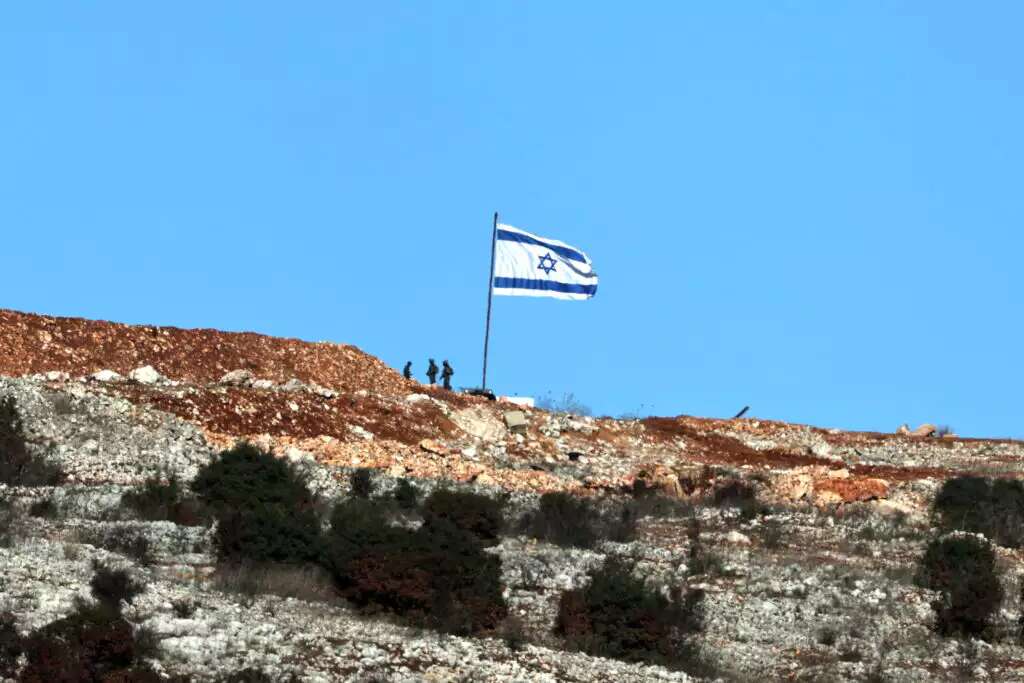
The dialogue between Israel and the US on Lebanon has produced understandings under which an Israeli withdrawal is not currently on the table.
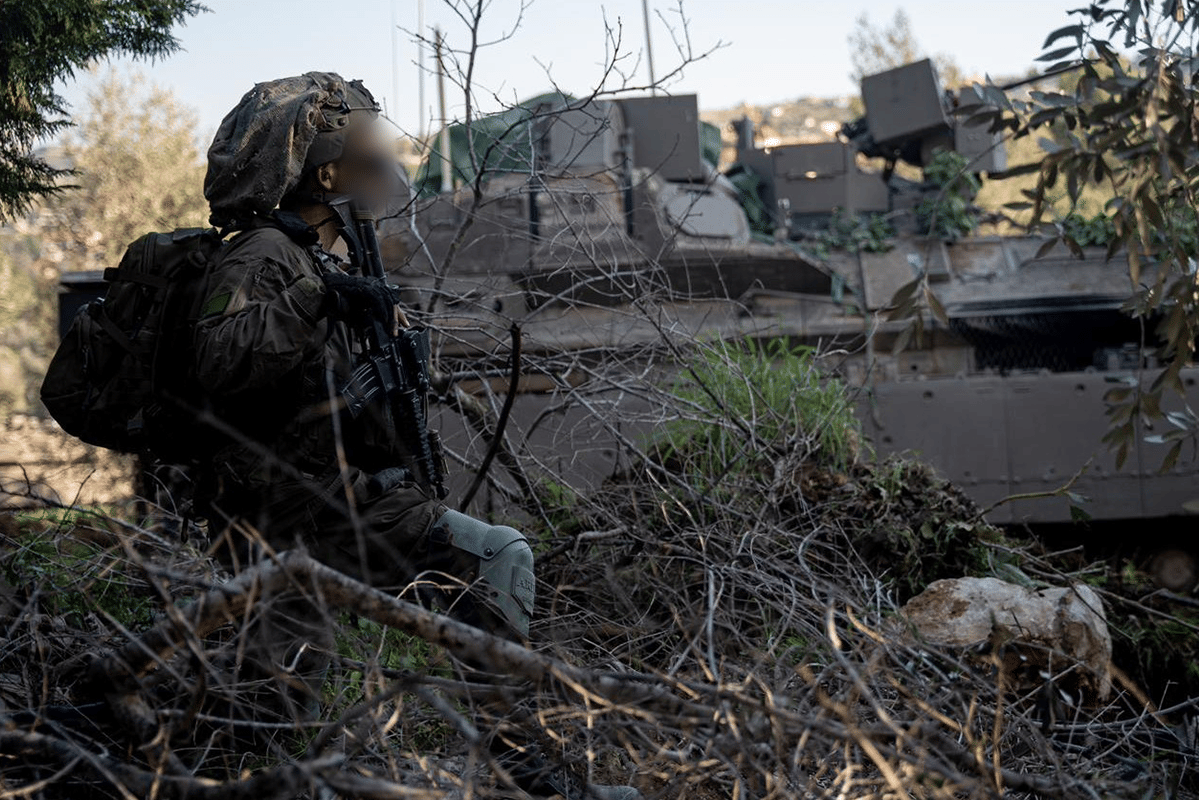
However, the activity of forces on the ground will be limited to removing various types of threats and completing the clearing of terrorist infrastructure in the area south of the yellow line that Israel drew in southern Lebanon.
This story's main points:
- Israel and the US agreed that there will be no withdrawal from Lebanon for now, but military activity will be more limited and more closely coordinated.
- Iran is demanding a full Israeli withdrawal and is being accused of directing Hezbollah's escalation.
- Israeli officials assess that the Islamic Revolutionary Guard Corps is working to derail the diplomatic contacts.
- The two negotiating tracks led by the US, with Iran and with Lebanon, could be headed for a collision course.
It was also agreed that there would be closer coordination between the IDF and US Central Command. In other words, this will not only mean notifying the Americans minutes before significant Israeli action, but also providing continuous updates at all times, both on Hezbollah violations and on IDF activity.
Major Israeli offensive operations, such as a strike deep inside Lebanon in the Beqaa Valley, will require high-level Israeli diplomatic approval, where a decision will be made on how to handle the matter with the US political echelon. This does not mean "tying the soldiers' hands," but rather limiting proactive offensive operations and exercising caution in carrying them out.
According to an Israeli source, this situation stems primarily not from American pressure related to the negotiations with Iran, but from a desire to enable effective and productive talks in the direct negotiations between Israel and the Lebanese government that are set to open in Washington.
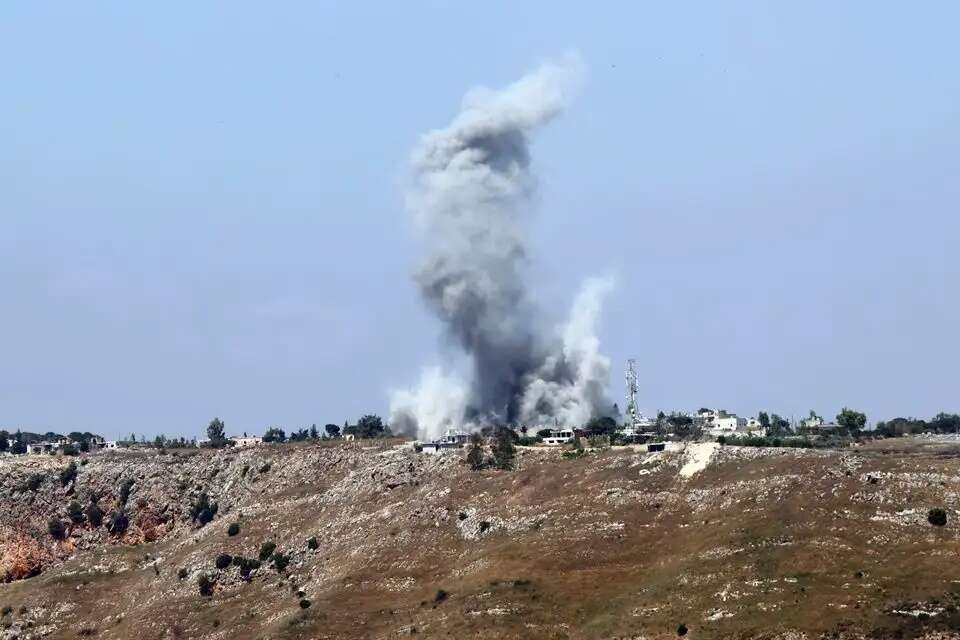
These negotiations are taking place alongside talks between the US and Iran, which for its part is demanding a full Israeli withdrawal and a complete ceasefire as conditions for continuing negotiations with the US. What is interesting is that this demand is being raised in different ways by different elements in Iran.
Hard-line Islamic Revolutionary Guard Corps officials have already announced that they are closing the Strait of Hormuz again, while US Central Command says the strait is open and that tankers and cargo ships are passing through it freely. Iran's political leadership is indeed raising the demand regarding Israel in the talks, but at the same time is briefing that the threat to close Hormuz came from "unauthorized" elements.
However, Iran is facing an American demand to explain why Hezbollah is attacking, after Israel and other intelligence organizations, including Arab ones, passed along information indicating that the orders to Hezbollah to escalate the war are coming directly from Tehran.
Israel's concern: Tehran is trying to sabotage the process
In Israel Hayom, we revealed that Israel had warned the Americans in advance that linking the memorandum of understandings to the situation in Lebanon would lead to an escalation of the confrontation with Hezbollah, and that Iran would initiate attacks in order to create a crisis and deepen the rift between Jerusalem and Washington.
The sources say the instructions to escalate came from Tehran, through senior Islamic Revolutionary Guard Corps officials present in Lebanon. It is possible that this is a separate effort by senior officials in the Guard Corps to derail the memorandum of understandings.
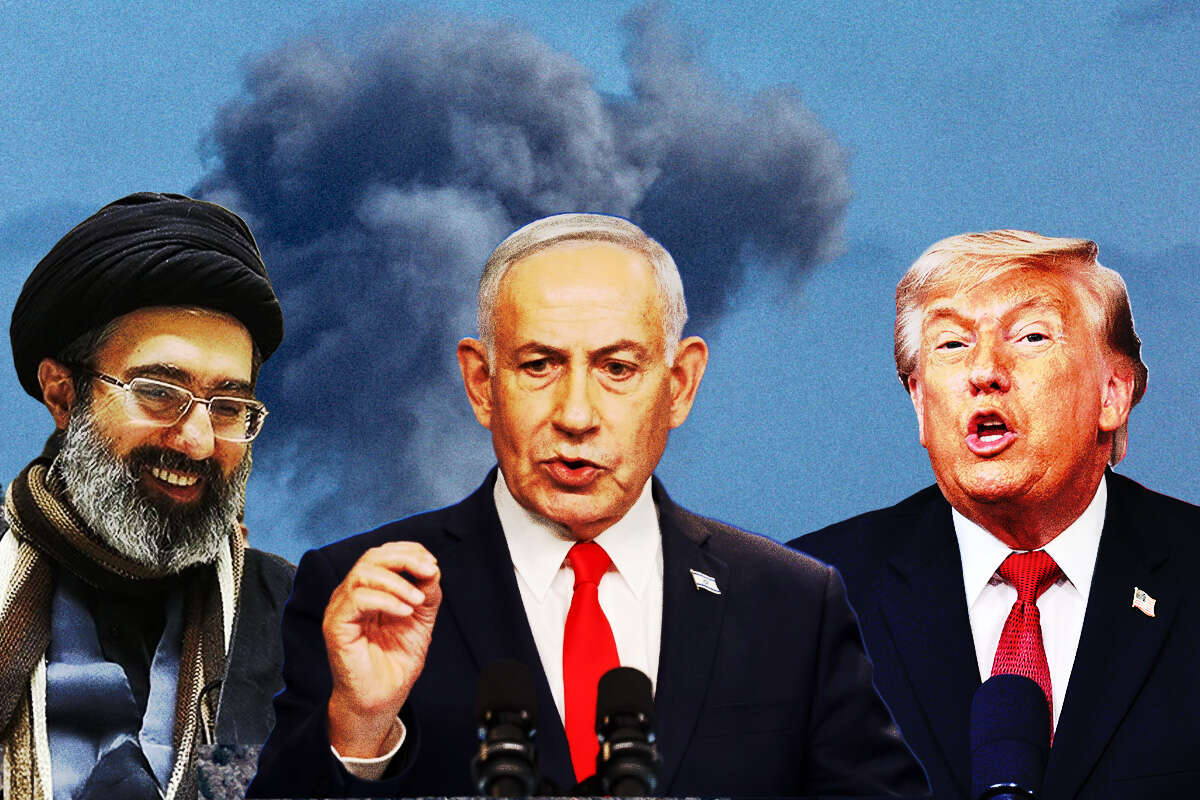
A diplomatic source familiar with the contacts between the US and Iran says Iranian Foreign Minister Abbas Araghchi gave the US two explanations for this. The first, official explanation was that Hezbollah was merely responding to what he described as Israeli violations and that it had the right to do so. The second, unofficial explanation was that opponents of the agreement in Iran were indeed trying to sabotage it. It is unclear how the Americans responded, but the negotiations in Switzerland did not stop because of it.
Internal rebellion or bargaining tactic?
Analysts who focus on Iran point to two possible explanations for the Islamic Revolutionary Guard Corps' conduct. The first is that this is indeed genuine opposition and an attempt to derail the negotiations and the memorandum of understandings. The second is that this is another sophisticated Iranian maneuver designed to extract more concessions from the Americans, not that there is much left to concede.
Dr. Tamar Eilam Gindin of the Ezri Center at the University of Haifa says the bargaining method mentioned in the second possibility is known as "goldsmiths' bargaining," and she does not rule out the possibility that the political echelon is using it against the Americans.
However, she says there are quite a few reasons to believe these are uncoordinated actions by the Guard Corps intended to derail the negotiations. She says the Islamic Revolutionary Guard Corps is far less rational than the regime, with a mentality of "Shiite suicide fighters," and that there have been quite a few cases, including the opening of the strait last week, in which they acted contrary to the government's orders or promises.
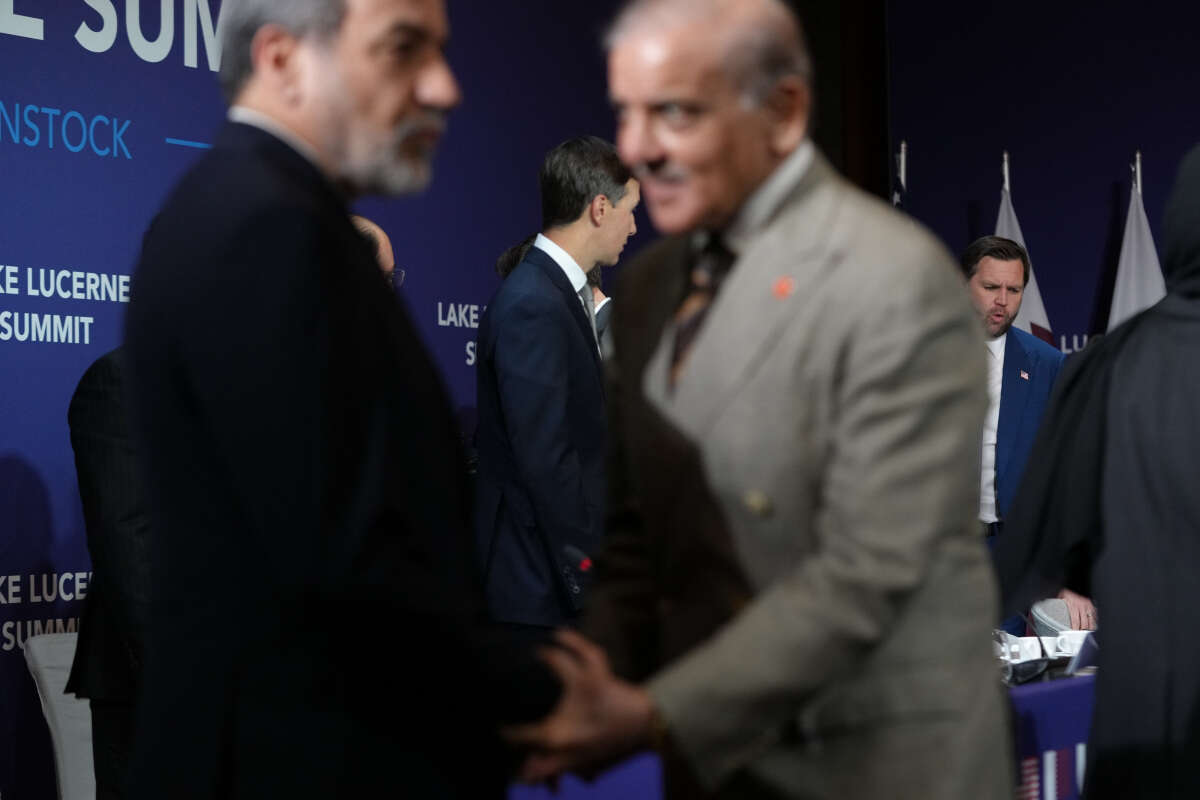
What supports the version of events suggesting a kind of coordination between the Guard Corps and the political echelon is Iran's conduct in the talks and the confrontations on social media between senior Iranian officials and President Donald Trump. Thus, in Vienna, the Iranians humiliated the Americans in front of the cameras: Vice President JD Vance and the US delegation waited several minutes for the Iranians, and when they arrived, the "moderate" Foreign Minister Araghchi refused to shake hands with the Americans despite their request and that of the president of Pakistan.
The head of the delegation, Parliament Speaker Mohammad Bagher Ghalibaf, did not enter the hall at all despite the requests, and he does not appear in the photographs. This was not an anecdote. It was a clear diplomatic humiliation.
In addition, President Trump, in an interview that included blunt remarks in his usual style, threatened "I'll blow the sh*t out of them" if they tried to close Hormuz. In response, he received many mocking tweets from senior Iranian officials, including advisers to the delegation in Switzerland, who called him a loser and noted that he had failed to seize the strait even after 100 days of fighting.
Internal struggle in the Trump administration
Another interesting point is the American move along two parallel tracks, which could create a contradiction between the two, not only because of Iran but also because of the American figures leading the two tracks.
On one side is Vice President Vance in Switzerland, facing Iran. On the other is Secretary of State Marco Rubio in Washington, handling the direct Israel-Lebanon dialogue. Both are mentioned as possible Republican presidential candidates after Trump. The president has already said, half-jokingly, that if the agreement with Iran fails, he will blame Vance.
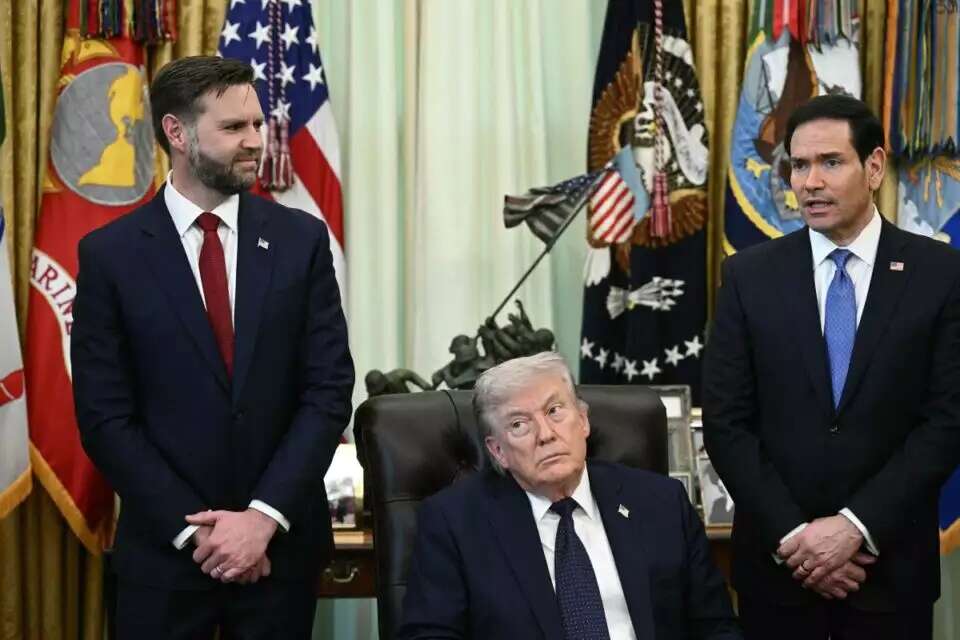
In Israel Hayom, we reported that Rubio, along with War Secretary Pete Hegseth, Treasury Secretary Scott Bessent and professional officials such as CIA Director John Ratcliffe, opposed the memorandum of understandings, but none of them has spoken out against it publicly.
Rubio will try to advance the Israeli-Lebanese move with full force, since Vance cannot publicly oppose it and thereby reduce, even slightly, the chances of success in the negotiations with Iran. An agreement, or even significant progress between Israel and Lebanon, would mean a blow to Hezbollah, Iran's proxy in Lebanon.