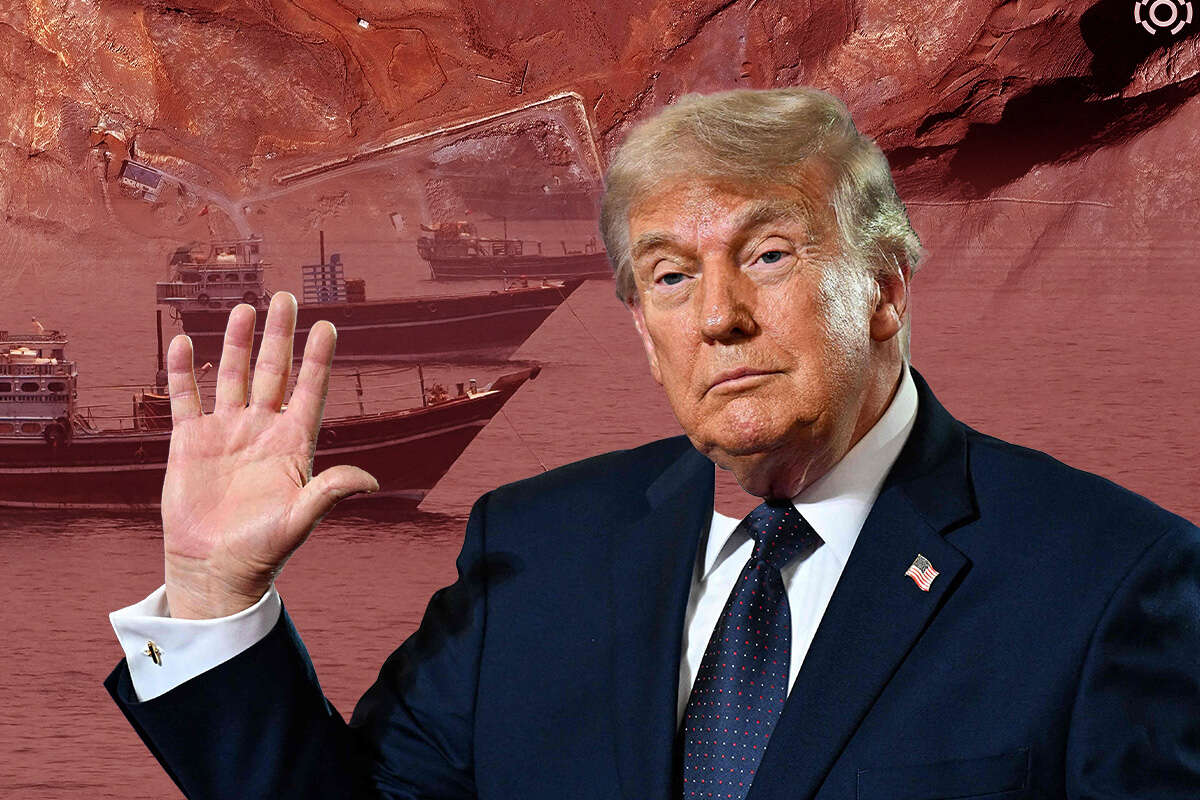
A quarter of a millennium after declaring its independence, the United States remains the world's largest economy, fields the strongest military, and continues to exert unparalleled influence over the international order. For decades, the American model appeared remarkably consistent: global leadership, an open economy, strategic alliances, and deep engagement in virtually every major geopolitical arena. Yet the country's 250th anniversary offers an opportunity to ask not what made America the power it is today, but what America will look like over the next 250 years.
The transformation is already underway. It did not begin with Donald Trump, and it will not end when his presidency does. Trump has become the most recognizable face of the "America First" doctrine, but in reality he represents a much deeper shift. The United States is redefining its place in the world. Increasingly, Americans across the political spectrum are moving away from the notion that their country must serve as the world's policeman. Instead, they are embracing a more inward looking approach that places America's own citizens, economy, and domestic challenges at the center of national priorities. Those challenges are far from insignificant. At the heart of today's debate lies a fundamental question: should Washington continue bearing the costs of maintaining the global order, or is it time to focus its resources on the economy, manufacturing, infrastructure, and competition with China?
Trump's economic agenda reflects this same philosophy. Tariffs, efforts to bring manufacturing back to the United States, and attempts to reduce dependence on foreign supply chains are all part of a broader strategy to strengthen the American economy. Opinions differ on the effectiveness of these policies, but the direction is unmistakable. The rising cost of living has become a defining issue for American households, making economic concerns the primary force shaping political decisions and, increasingly, foreign policy as well.
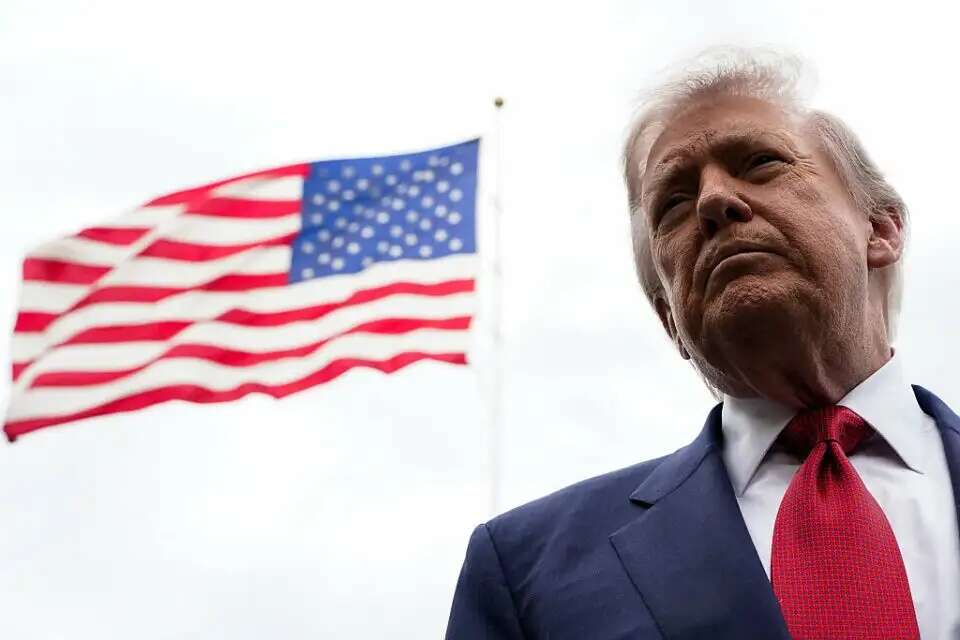
The economy comes first
This also explains why the United States is unlikely to become entangled in prolonged and costly military conflicts in the years ahead. That does not mean America is retreating from the world or relinquishing its position as the leading global power. Quite the opposite. It will continue to project strength whenever its interests require it, but it will increasingly favor operations that are focused, limited, and calculated. At the same time, Washington will seek greater stability in strategically important regions not only for security reasons, but also to promote trade, investment, major commercial deals, and economic partnerships.
The Middle East illustrates this approach particularly well. From Washington's perspective, the region matters not only because of Iran, terrorism, or Israel's security. It has also become one of the world's most significant centers of capital, investment, and infrastructure development. Gulf states, particularly Saudi Arabia, the United Arab Emirates, and Qatar, are no longer viewed solely as security partners. They are also major economic players. Regional stability, therefore, is increasingly seen as a business interest as much as a strategic one.
From Israel's perspective, the implications extend far beyond the identity of the next occupant of the White House. For many years, Israel viewed its relationship with the United States as an almost self evident strategic alliance. That assumption is becoming less certain. Within the Democratic Party, support for Israel is no longer a broad consensus. Within the Republican Party, an increasingly influential current favors reducing America's involvement overseas. These developments are not the product of a single election cycle. They reflect a deeper generational shift and, perhaps, shortcomings in Israel's own long-term approach to managing its relationship with Washington.
Beyond Trump
Israel's challenge over the coming decade is therefore not simply to maintain strong ties with whichever president happens to be in office. The greater challenge is recognizing that America's political language is changing. Generation Z is becoming increasingly influential, both through its growing presence in positions of leadership and because it represents the country's political future. One defining characteristic of this generation is its preference for clear and tangible ideas over broad philosophical narratives. Where relations between Israel and the United States were once built primarily on shared values and strategic commitments, they will increasingly be measured through the lens of economic interests, innovation, technology, security, and mutual benefit.
America's first 250 years helped shape the world as we know it. The next 250 are likely to look very different. The United States will remain the world's leading superpower, but it is also likely to become more cautious, more commercially driven, more focused on advancing its own interests, and less willing to bear costs in the name of universal ideals. Anyone seeking to understand America's future must look beyond the president of the day and pay closer attention to the deeper forces reshaping American society. Those forces, far more than any election, will determine the course of the world's most influential nation for generations to come.

Tomer Nitzan is the Head of the US Desk, BDO Israel.