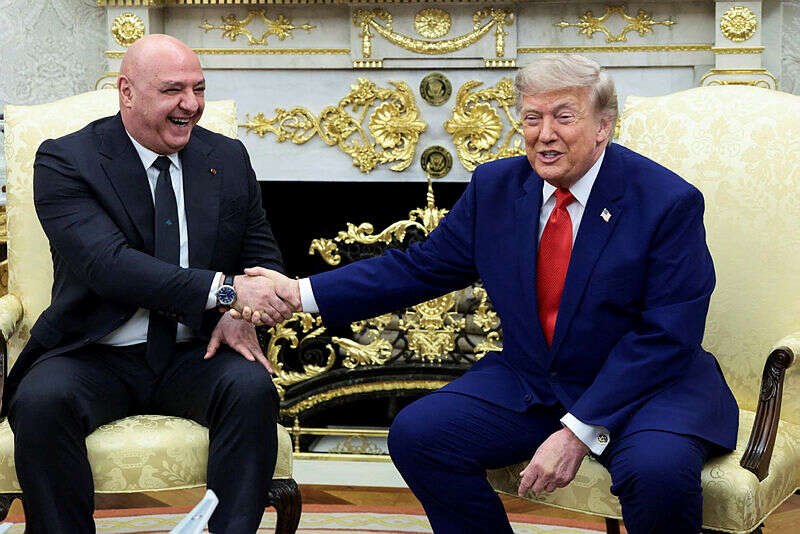
For Lebanese President Joseph Aoun, his meeting with US President Donald Trump produced several diplomatic achievements.
First, the pilot program for an IDF withdrawal from southern Lebanon officially began. Aoun managed to tie the move to a diplomatic agreement with Israel without the Lebanese Armed Forces having to use force.
Second, he managed, for now, to avoid the minefield of a direct meeting with Prime Minister Benjamin Netanyahu. Such a meeting could have put him at odds with Lebanese public opinion. Lebanese polls indicate that while an agreement with Israel enjoys majority support, there is still considerable resistance to full normalization between Beirut and Jerusalem.
Third, the meeting establishes a Lebanese track separate from the Iranian one, strengthening Beirut's independence as an actor in its own right.
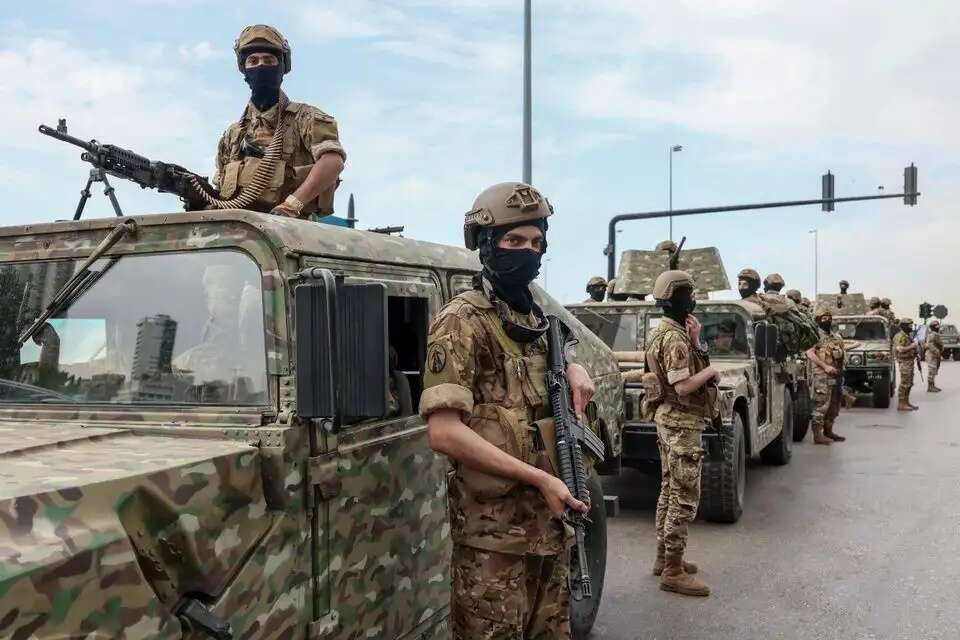
At the same time, the meeting presents Aoun with a series of challenges. The Lebanese Armed Forces deployed Tuesday in the southern Lebanese village of Zawtar al-Gharbiyah, but questions remain over whether they will succeed in dismantling Hezbollah's infrastructure. Should they fail, Israel may be unwilling, with considerable justification, to continue the withdrawal pilot in additional villages.
There is also the risk that Hezbollah could intervene in the regional confrontation between Iran and the US. Against this backdrop, warnings were conveyed to Beirut that such a mistake would drag the country into renewed fighting. If Aoun hopes to continue consolidating the ceasefire, such a development would set the process back. Even so, the number and range of IDF strikes have declined significantly since the framework agreement was reached.
Internal divisions
One of Aoun's main objectives at the meeting was to secure Trump's support for extensive assistance to the Lebanese Armed Forces. The military is currently weak, with an annual budget of $1 billion and a standing force of about 60,000 troops. More importantly, almost half of its personnel are Shiite. In other words, they are soldiers who, at best, identify with Hezbollah and, at worst, cooperate with it.
Moreover, some Christian commanders were appointed in previous years by Hezbollah's political camp in Lebanon, leaving them less than eager to act against the terrorist organization. They have no interest in jeopardizing their careers should the political balance of power shift again in the future.
The US will have to examine how additional support for this military can be directed intelligently and accompanied by reforms. Otherwise, there is serious doubt that the assistance will produce the desired change.
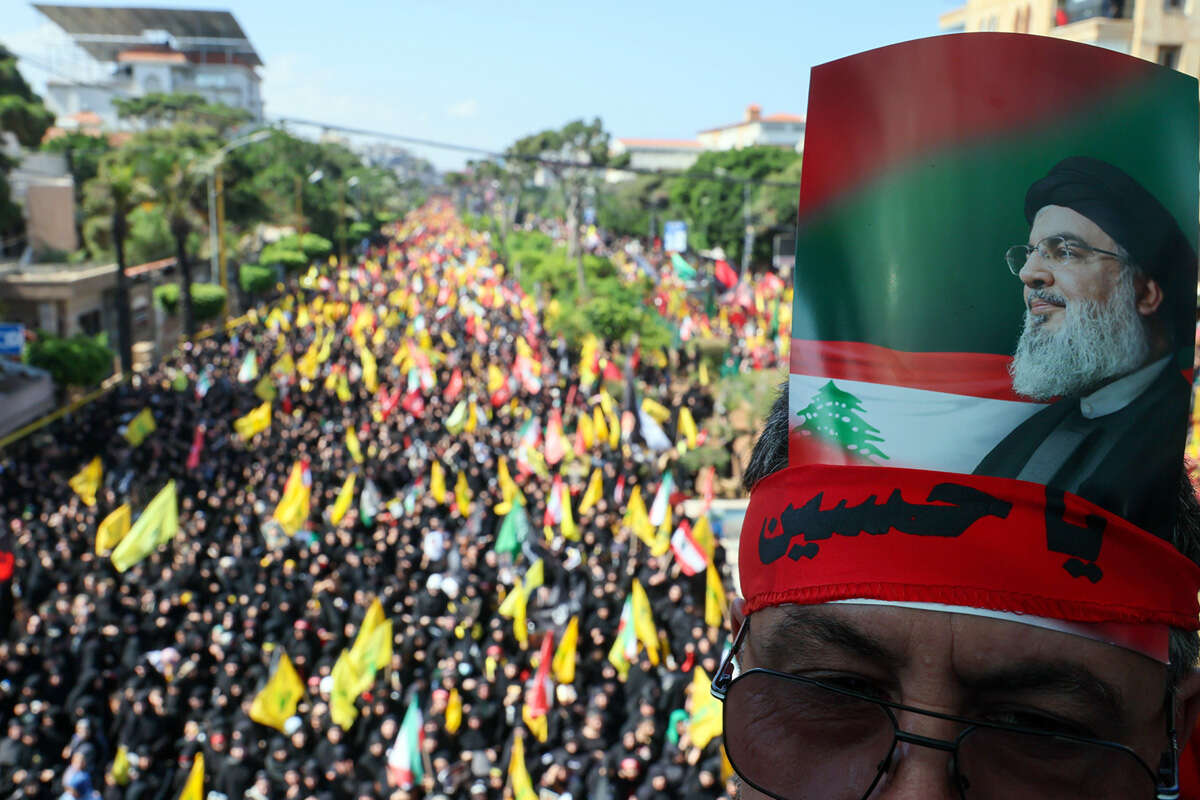
Meanwhile, Aoun has conducted a major media campaign inside Lebanon in recent weeks to promote the agreement in the face of criticism from the Hezbollah camp.
Hezbollah MK Hassan Ezzedine said this week that Aoun's insistence on direct negotiations with Israel and the disarmament of terrorist organizations "threatens the national consensus" and "is creating a deep rift in the country." Ezzedine did not hold back in his inflammatory rhetoric. He accused Aoun of stripping Lebanon of its strength, aligning himself with "the enemy's objectives" and "abandoning southern Lebanon in an act of betrayal."
A wounded, dangerous animal
Senior Lebanese officials may dismiss Hezbollah's claims and play down its implicit threats to bring down the government or carry out assassinations, but those around Aoun would be wise to take potential threats to his life seriously. The more Hezbollah is backed into a corner and weakened politically and militarily, the more it resembles a wounded animal that could strike its opponents unpredictably.
Aoun may not be its first target. Since the diplomatic process with Israel began, the terrorist organization has set its sights on a series of Lebanese politicians and diplomats, from Prime Minister Nawaf Salam and Sunni lawmaker Fouad Makhzoumi to Christian Foreign Minister Youssef Raggi. All have been at the forefront of the struggle against Iranian influence and support for the diplomatic track.
Since being elected by an overwhelming majority, Aoun has succeeded in changing the course of Lebanon's ship of state. Despite the presence of Hezbollah and Amal ministers in his government, he has led a series of historic moves in the country.
But the real test is only now beginning. Can Aoun and his partners implement the framework agreement and demilitarize the areas from which the IDF withdraws? The previous attempt south of the Litani River ended in failure.
One can only hope that this time, Beirut will seizes this opportunity