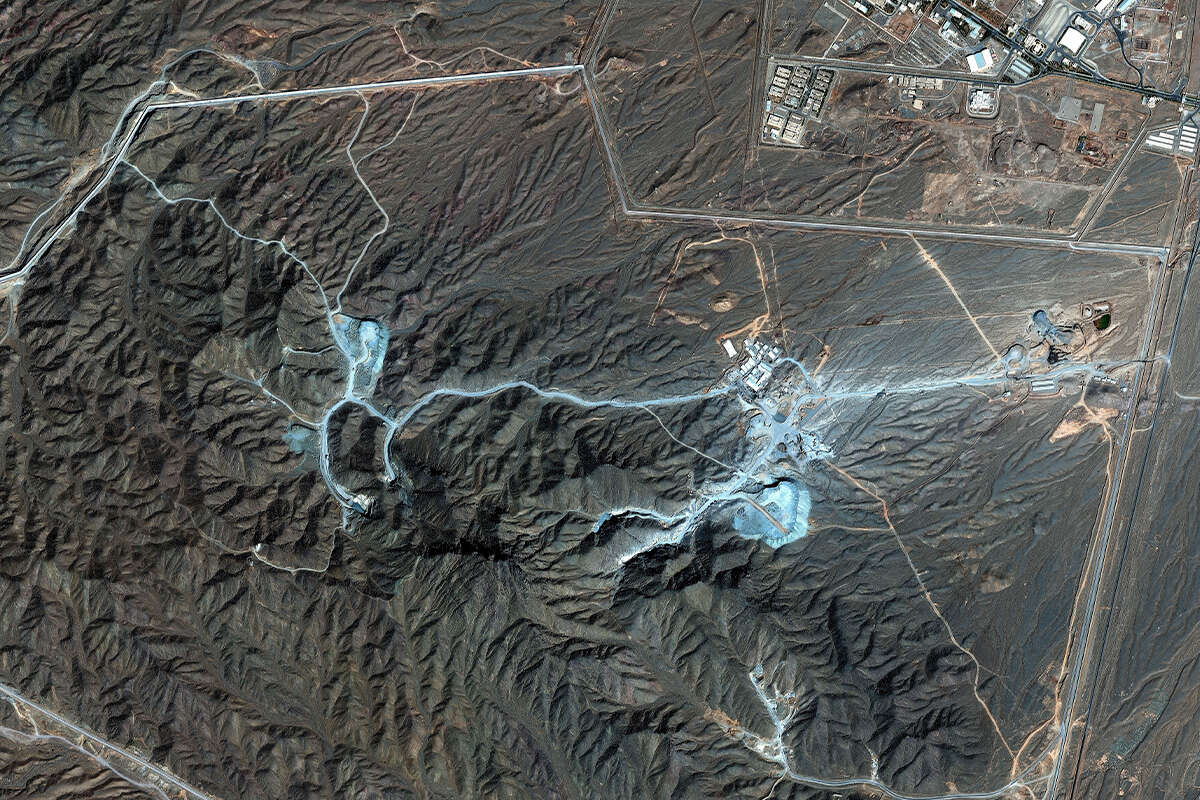
Israeli intelligence assesses that at least part of Iran's stockpile of highly enriched uranium was transferred to the underground facility at Pickaxe Mountain, CNN reported, citing an Israeli official familiar with the matter.
Earlier, The Wall Street Journal reported that Iran had moved thousands of uranium-enrichment centrifuges into tunnels deep inside the mountain as early as last fall, according to Israeli and US officials. The report said Israel had shared the intelligence findings with the United States.
During a press briefing in late June 2025, days after the end of the 12-day war, a senior Israeli security official expressed no concern that some of the uranium enriched to 60%, which was stored in containers, had survived the strikes. According to the official and other Israeli officials familiar with intelligence findings, any Iranian attempt to remove and move the material would "almost certainly" be detected, leaving sufficient time to strike the facilities again.
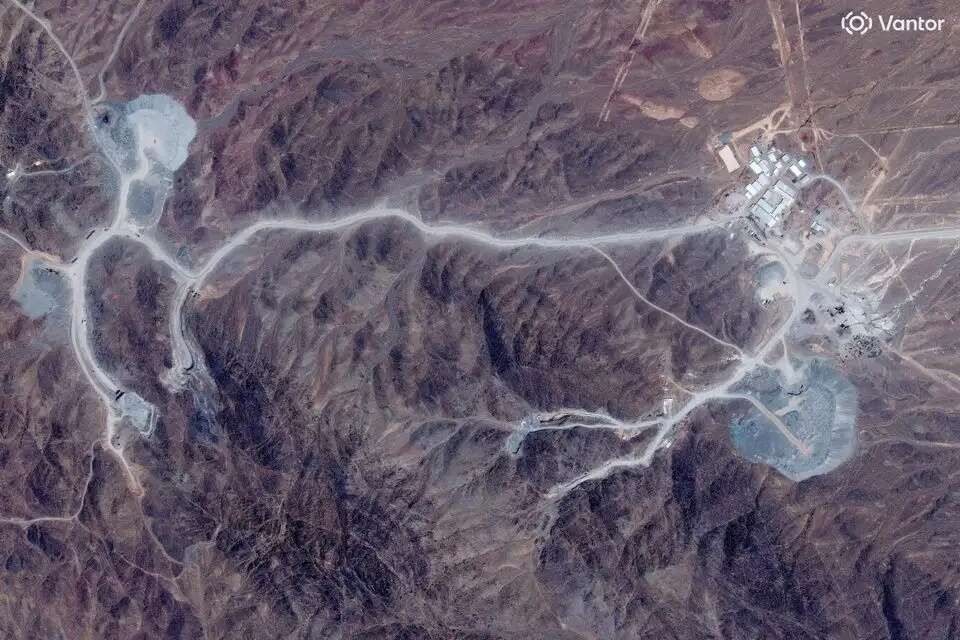
On July 13, US President Donald Trump told conservative radio host Hugh Hewitt that "Pickaxe Mountain is a possible target for a nice big fat shot." It was the first time Trump had explicitly identified the site as a potential target, although he had previously referred to an Iranian underground facility buried in granite.
The site, known in Iran as Kuh-e Kolang Gaz La, has been monitored by the United States and Israel for years. The limited information available about Iranian activity there indicates that it would pose significant challenges to any airstrike. Located near Iran's Natanz uranium-enrichment complex, the site was built as an underground replacement for an Iranian centrifuge-assembly facility that was severely damaged in a 2020 explosion, possibly by sabotage.
Experts estimate that the underground complex extends approximately 90 to 140 meters (295 to 460 feet) beneath solid rock and has enough space to accommodate several nuclear-related facilities.