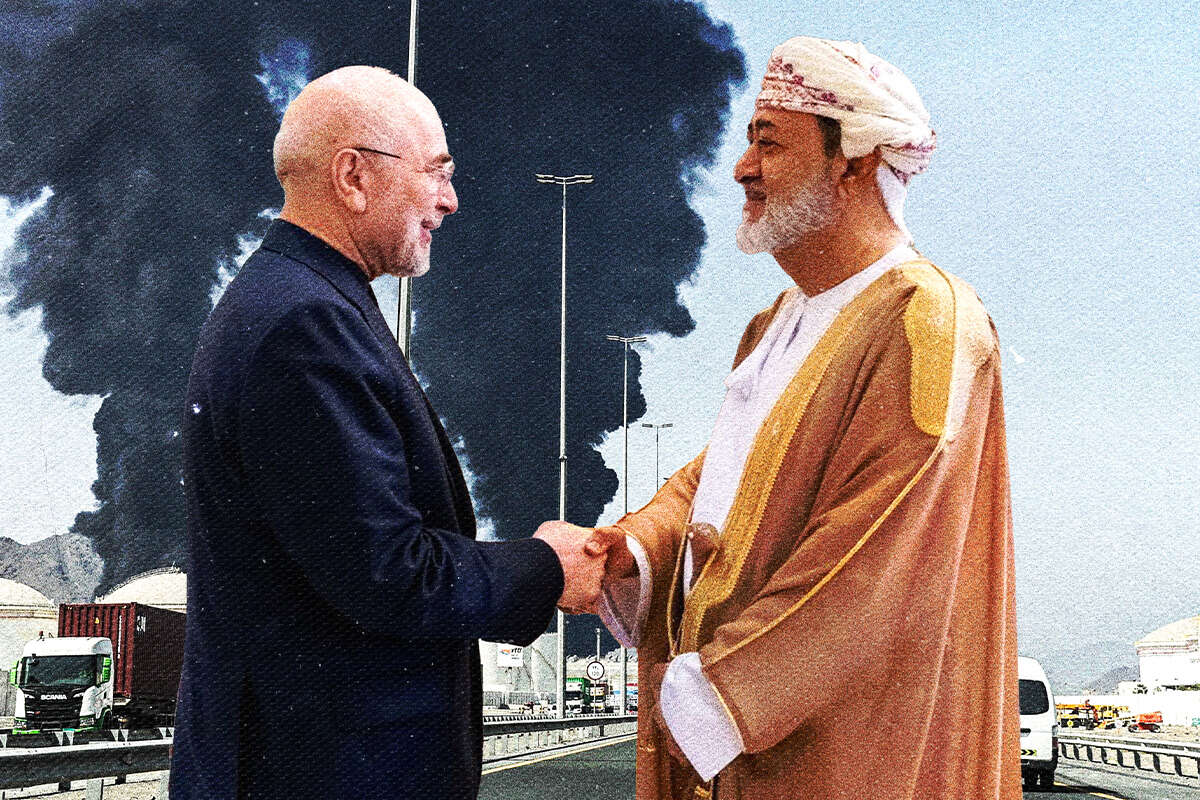
Amid efforts to prevent further escalation in the Middle East, the deputy foreign ministers of Iran and Oman held talks in Tehran over the past two days on maritime security in the Strait of Hormuz. Iranian Foreign Ministry spokesman Esmail Baghaei said the two sides had discussed "shared principles and practical mechanisms for managing the safe passage of vessels through the Strait of Hormuz, while respecting the sovereign rights of the two coastal states."
Baghaei said the talks were conducted in a "constructive" atmosphere and that progress had been made. He stressed that there had been no change at this stage in maritime traffic through the Strait of Hormuz and that the Omani delegation had already left Tehran, although political and technical consultations between the two countries were continuing.
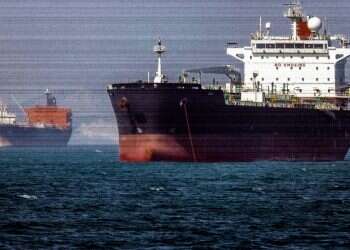
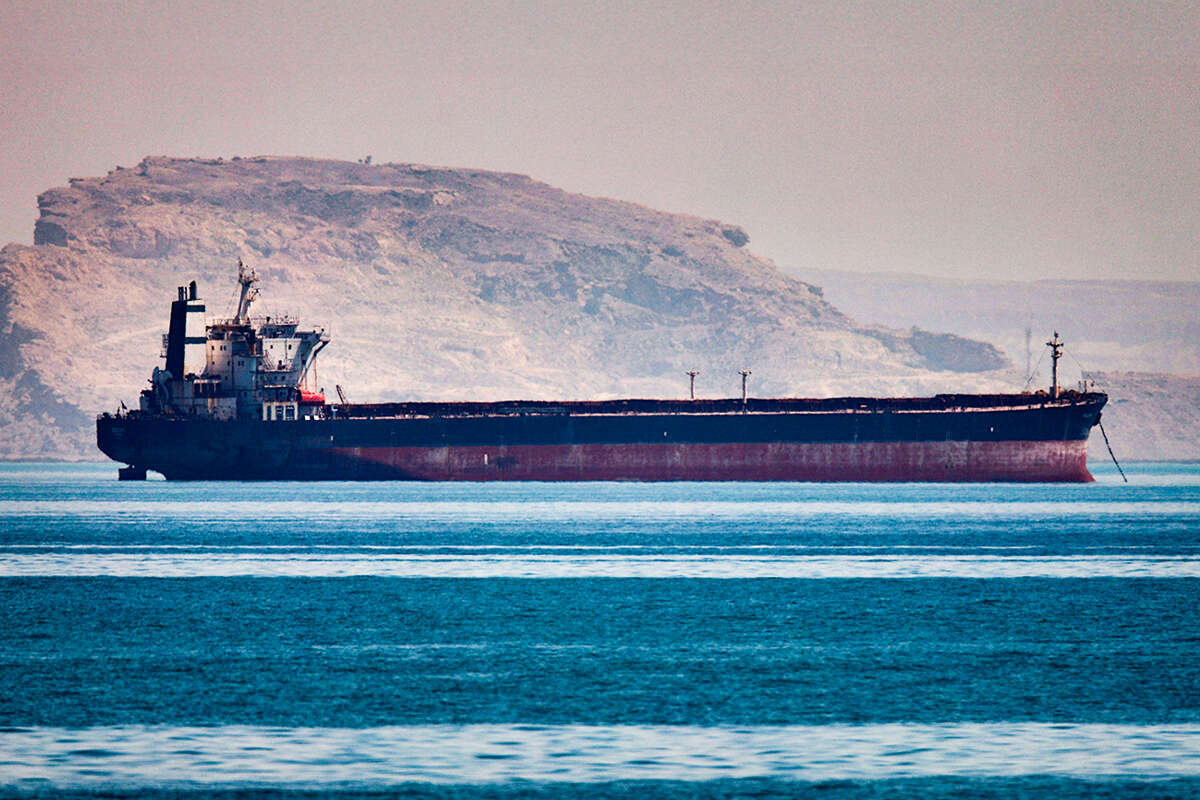
The Strait of Hormuz is one of the world's most important energy corridors, with a significant share of global oil and gas exports passing through it. Any threat to freedom of navigation in the critical waterway raises concern the global energy market.
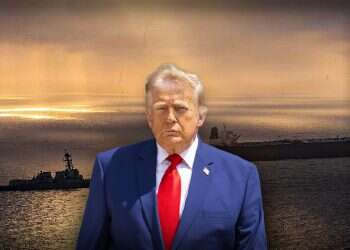
At the same time, the first signs of an effort to reduce tensions are emerging in the United States. Negah Angha, a former senior adviser at the US State Department and National Security Council during President Joe Biden's administration, told CNN that the relative lull in military activity against Iran over the weekend could indicate that Washington was seeking to prioritize a diplomatic solution over a military one. "It appears that Washington is trying to lower the temperature," Angha said.
She suggested that the US administration might be testing whether Tehran would respond with similar restraint. "Everyone is now looking for a diplomatic way out, and this may be one of the possible paths," she added.
However, even as Iran and Oman hold talks, the Gulf states themselves are struggling to present a united front. According to a Politico report published Saturday, all the Gulf states want to bring the fighting to an end and ensure that the Strait of Hormuz continues to operate normally, but they disagree over how that should be achieved.
In recent weeks, senior officials from the United Arab Emirates and Saudi Arabia have stepped up coordination. Jordan and members of the Gulf Cooperation Council, the six-state regional bloc comprising Bahrain, Kuwait, Oman, Qatar, Saudi Arabia and the UAE, have held meetings in Washington with senior State Department officials and members of Congress. The council has also issued a series of statements condemning the Iranian attacks.
Diplomatic officials and former senior US officials said, however, that differing and sometimes conflicting interests lay behind the joint statements. Some countries can export oil and gas without passing through the Strait of Hormuz, while others, including Qatar, Kuwait and Bahrain, depend almost entirely on the maritime route. The states also differ in their degree of economic exposure to Iran and in the scale of the economic damage each has suffered as a result of the crisis.
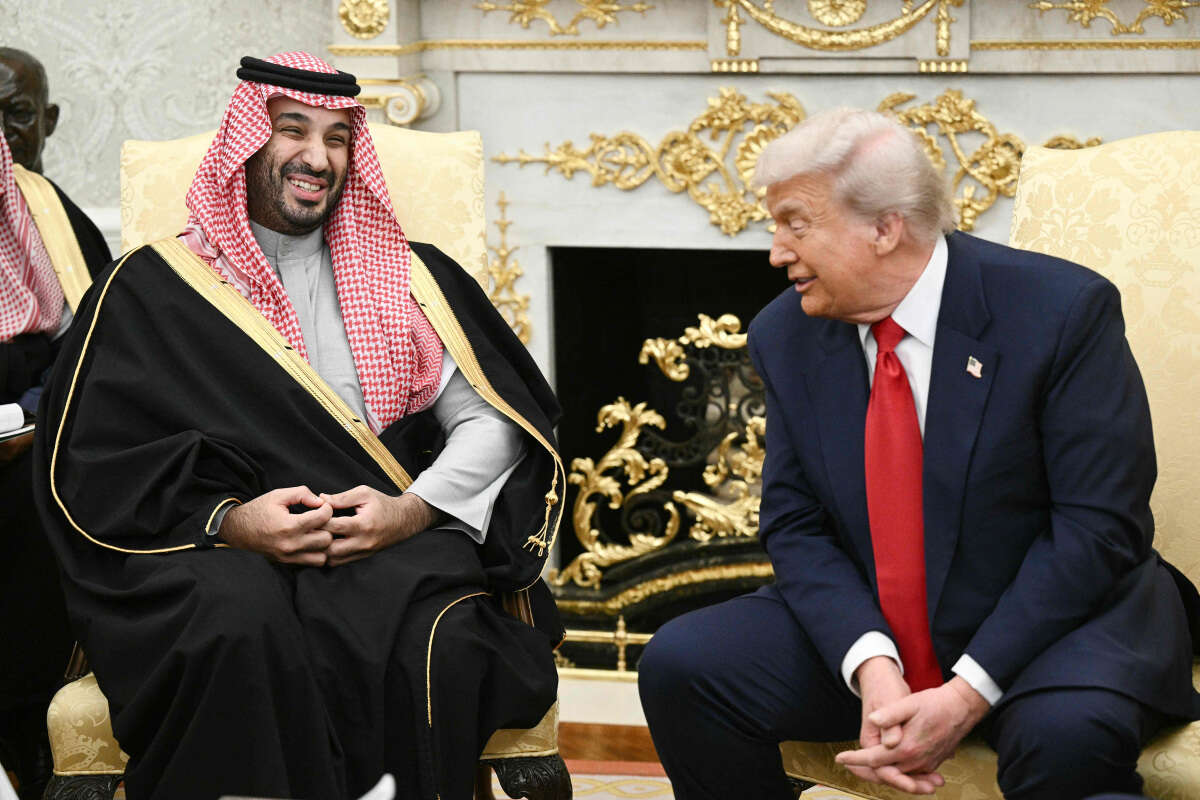
An Iraqi official familiar with the talks told Politico that "the countries of the region are coordinating their messaging to Congress and the US State Department, but there is no consensus among them."
Former US Ambassador to Saudi Arabia Michael Ratney told Politico that "the Omanis have been the most accommodating toward Iran. The Qataris somewhat less so, but they have still been engaged in talks and mediation. The United Arab Emirates was prepared to take a firm approach. Saudi Arabia was somewhere in the middle."
A senior aide to a Republican member of Congress who recently participated in a House Foreign Affairs Committee discussion with representatives of the Gulf states and Jordan said all the countries had expressed concern about continued Iranian attacks and had called for faster deliveries of US weapons. However, the aide said, "some of the countries were more closely aligned with US objectives than others."
Despite the disagreements, regional officials believe that maintaining freedom of navigation through the Strait of Hormuz remains a shared objective for all the Gulf states. Continued contacts between Iran and Oman could therefore become one of the main channels of communication in efforts to prevent further regional escalation.