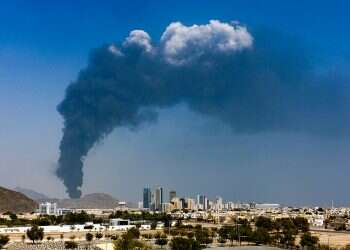
Over the past week, Iran succeeded in creating a new reality that forced the entire region to view it differently, largely through the way it activated the Houthis and brought them into the broader military campaign.
The week began with US strikes on Iran and with the question of whether the fighting would be expanded becoming a matter of when, rather than if. It ended with a unilateral US decision to halt its offensive operations, a move that also prompted Iran to scale back its actions.
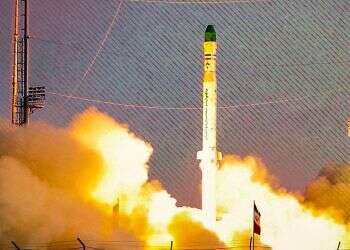
The US decision came after Iran expanded its retaliation to other countries in the region. It targeted not only the neighboring Gulf states, but Jordan in particular, where it exacted a heavy toll on US forces and prompted unusual responses. The systematic launches of ballistic missiles and unmanned aerial vehicles, amounting to hundreds of munitions over 13 consecutive days of retaliation, indicate that Iran is on alert and ready for immediate action, with weapons available and accessible for operational use.

Attack as a central strategy
Iran's recovery and reconstruction, proceeding faster than any assessment made after Operation Roaring Lion, are reflected in its ability to respond offensively whenever it perceives a threat. Only a country with substantial weapons stockpiles and operational capabilities can choose escalation and military retaliation as its principal strategy.
Beyond that, Iran succeeded over the past week in pulling the region into a new reality and creating significant dilemmas over how the campaign should be managed from this point forward. The Iranians successfully linked the Houthis to their struggle and brought them into the strategic confrontation as active participants. By blocking the Bab el-Mandeb Strait while Iran controls the Strait of Hormuz, they have effectively cut off the Persian Gulf states and Saudi Arabia from their maritime exit routes. This has come alongside a renewed armed confrontation between the Houthis and Saudi Arabia.
Together with Iran, the Houthis have created a wall of resistance that is changing the rules of the game in the region. It places Iran at the center while shifting some of the attention away from Iran itself and toward Yemen, and from the Strait of Hormuz to international shipping routes more broadly. This Iranian strategy was carefully managed and, in my assessment, was not accidental. It was a planned move that forced the United States to reconsider its course.
US at a crossroads
Iran has confronted the United States with a major dilemma, perhaps its most significant since the campaign began two years ago.
First, Washington has come to understand that daily strikes against Iranian targets may gradually erode Iran's strength by inflicting damage, but they are not producing meaningful results on the ground. They have not destabilized the regime, prompted Iranian flexibility over the Strait of Hormuz or, at least for now, brought Tehran back to negotiations on the basis of the principles already agreed upon.
Second, the United States and Israel are watching Iran rapidly rebuild and restore entire systems to operational readiness only a few months after the end of Operation Roar of the Lion. This is happening alongside new revelations regarding the intentions and capabilities of Iran's nuclear program. "Pickaxe Mountain" is only one component of that process.
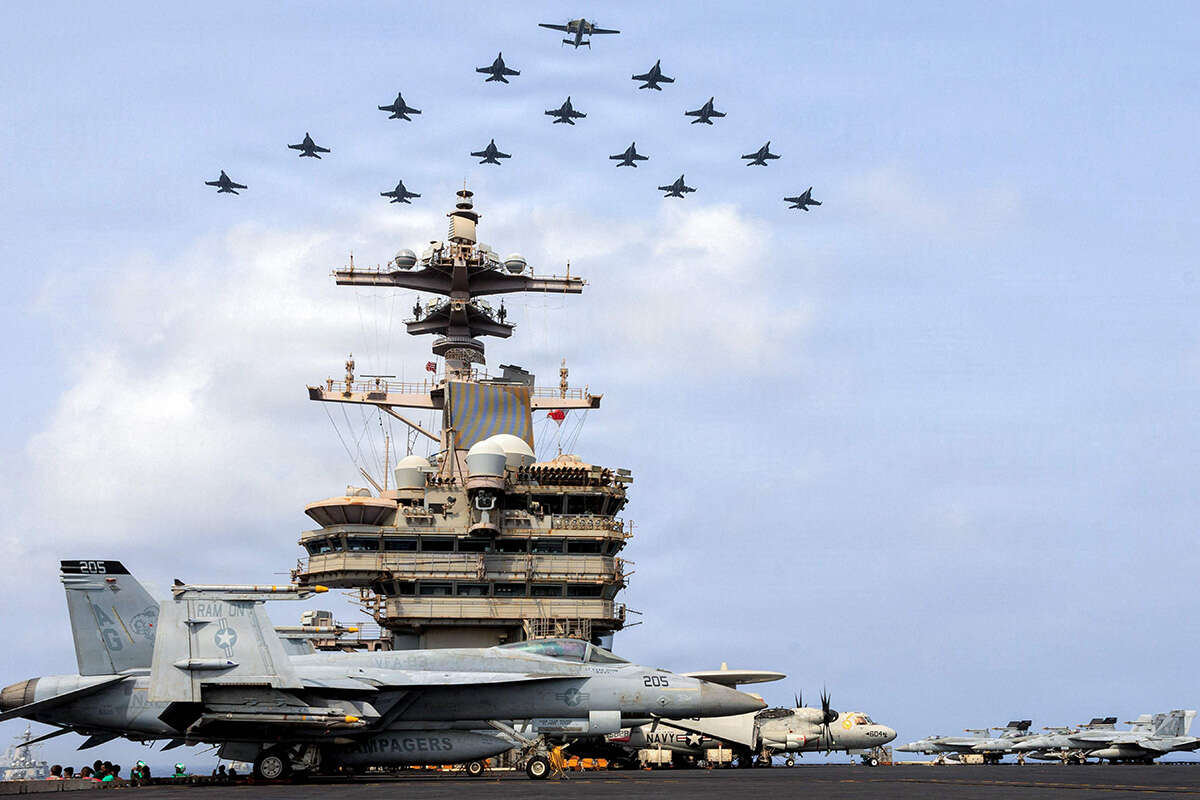
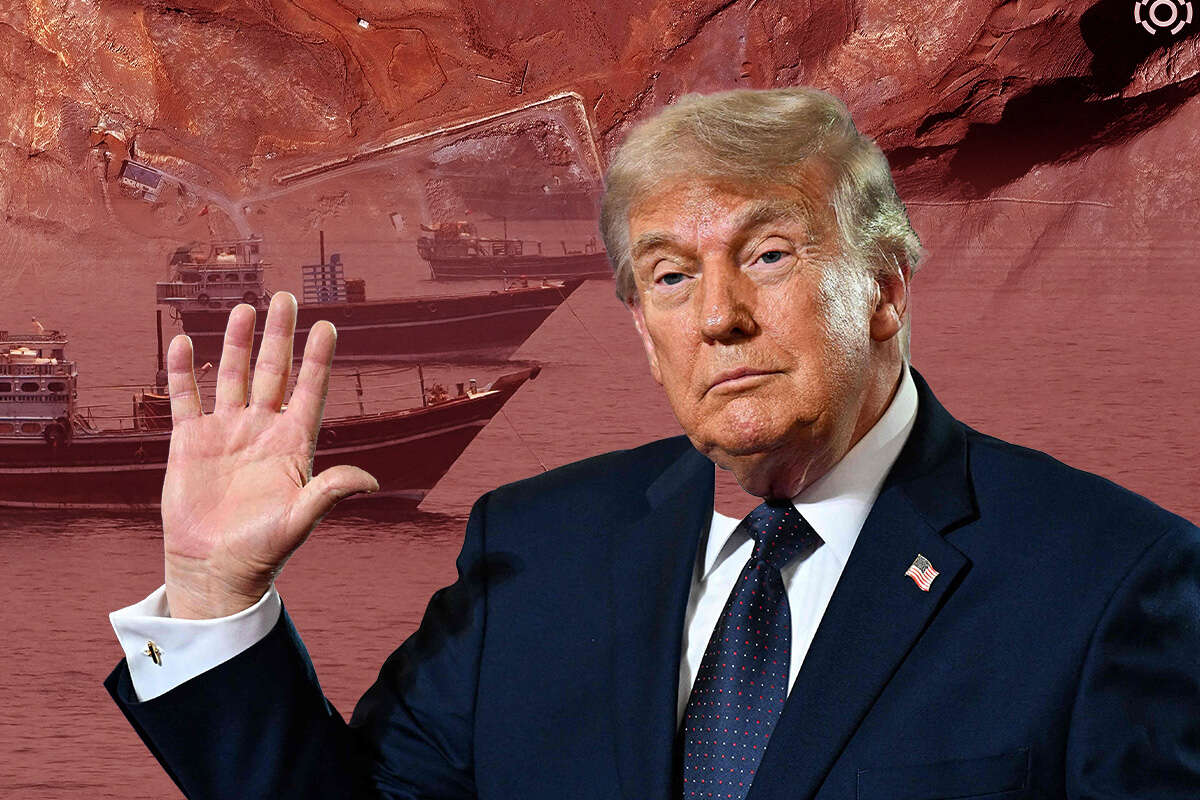
All of this has led President Donald Trump to reconsider his approach. Over the past two weeks, the US military has been forced to devote extensive resources to preventing, or at least minimizing, Iranian strikes on American infrastructure, assets and personnel stationed throughout the Middle East.
Whether the US decision to stop the daily attacks and abandon, for now, plans to expand its response to the point of renewed war is temporary or long-term does not change the fundamental reality: Under the current circumstances, Iran is the biggest beneficiary, and the situation serves its interests alone. Sooner or later, the United States and the entire region will have to confront the Iranian threat. The alternative is to accept a reality in which an extremist military regime controls the Strait of Hormuz, rebuilds its military and nuclear capabilities, and continues operating a network of proxies while strengthening the ties and mutual dependence among them.
Yemeni dance
The past week, during which Trump reversed several decisions, may reflect the process the president is undergoing as he comes to understand the regional reality. This was evident in his statement regarding the sale of F-35 fighter jets to Turkey, which was replaced later in the week by a declaration that Turkey did not meet the conditions required to rejoin the program.
The same pattern emerged in the decision to permit Saudi Arabia to develop a civilian nuclear capability, which was later made conditional on the kingdom joining the Abraham Accords. It was also evident in the case of Iran. An initial intention to expand the US response to the point of renewing the war ended with a cessation of fire, without any agreement and with all sides waiting to see what comes next.
The entire region has now entered a period of waiting. It is dangerous and volatile, with considerable potential for miscalculation, as each side attempts to establish a reality that serves its own interests. For Israel, as a direct participant, this reality is untenable.