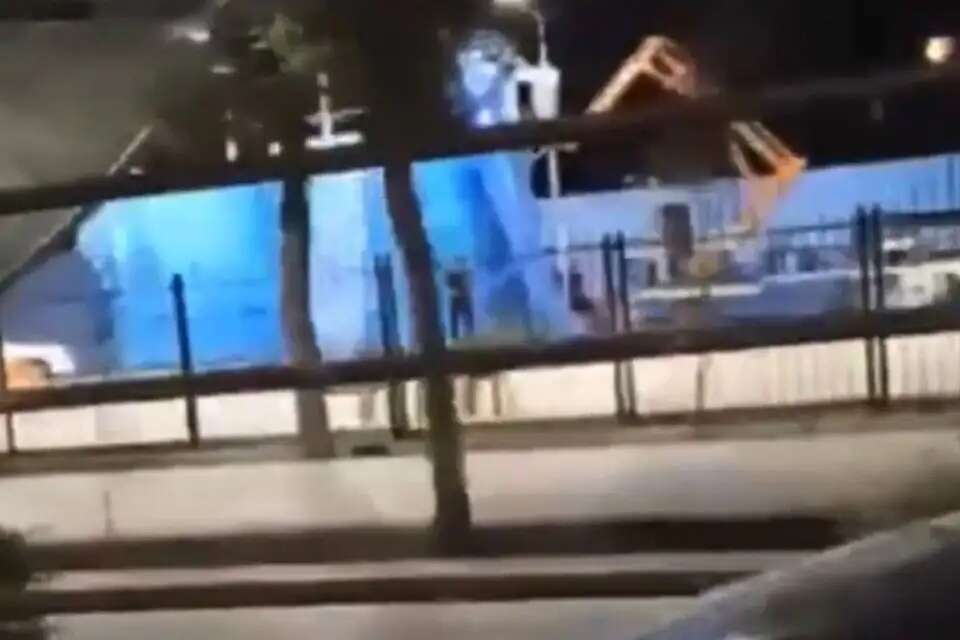
An iron gallows erected in Ali-Khani Square in the central Iranian city of Isfahan has raised fears that the regime is preparing to publicly execute protesters arrested during nationwide demonstrations in January. Sources who spoke with Iran International said large numbers of security forces had been deployed in the area, while the families of several prisoners sentenced to death had been summoned to the prison for farewell visits.
The gallows was erected in the square where protests broke out on Jan. 8. Twelve young men convicted in what has become known as the "Ali-Khani Square case" were sentenced to death. Two of them, Erfan Esfandiyari, who was reportedly 18, and Gol Mohammad Mohammadi, a 23-year-old Afghan national, were executed on July 19.
Iranian authorities accuse the defendants of involvement in the killing of four members of the security forces, as well as arson and vandalism during the protests. Human rights organizations, however, say the defendants were denied a fair trial and access to independent legal representation.
BREAKING: Iranian channels report that scaffolding and gallows have been put up in Alikhani Square in Isfahan, Iran, fueling concern that the regime is going to imminently publicly execute more protesters.
FREE IRAN FROM THE ISLAMIC TERROR REGIME pic.twitter.com/NGlmJfB8Wl
— Israel War Room (@IsraelWarRoom) July 28, 2026
A source close to the family of Amirhossein Safari, one of the 10 remaining defendants being held on death row, said his relatives had been summoned to Isfahan Central Prison for what may be a final visit. Iranian activist Mehdi Mahmoudian said the families of other prisoners had received similar instructions. He said cousins Alireza Sepahi and Abolfazl Sepahi were in immediate danger of execution.
UN experts called on the Iranian authorities to stop the sentences from being carried out. They said 12 people had been sentenced to death in a single closed-door hearing, without the individual responsibility of each defendant being established. The experts also said the convictions had relied heavily on confessions broadcast on state television and that some of the defendants had been abused after their arrest.
Among those sentenced to death is Shervin Bagherian Jebeli, who had turned 18 only days before his arrest. Iranian television broadcast footage of him confessing to violence against members of the security forces within a week of his detention and before his trial had taken place. According to the UN experts, he appeared not to understand the meaning of the offense with which he had been charged, "moharebeh," or "waging war against God," and was not given access to a lawyer of his choosing.
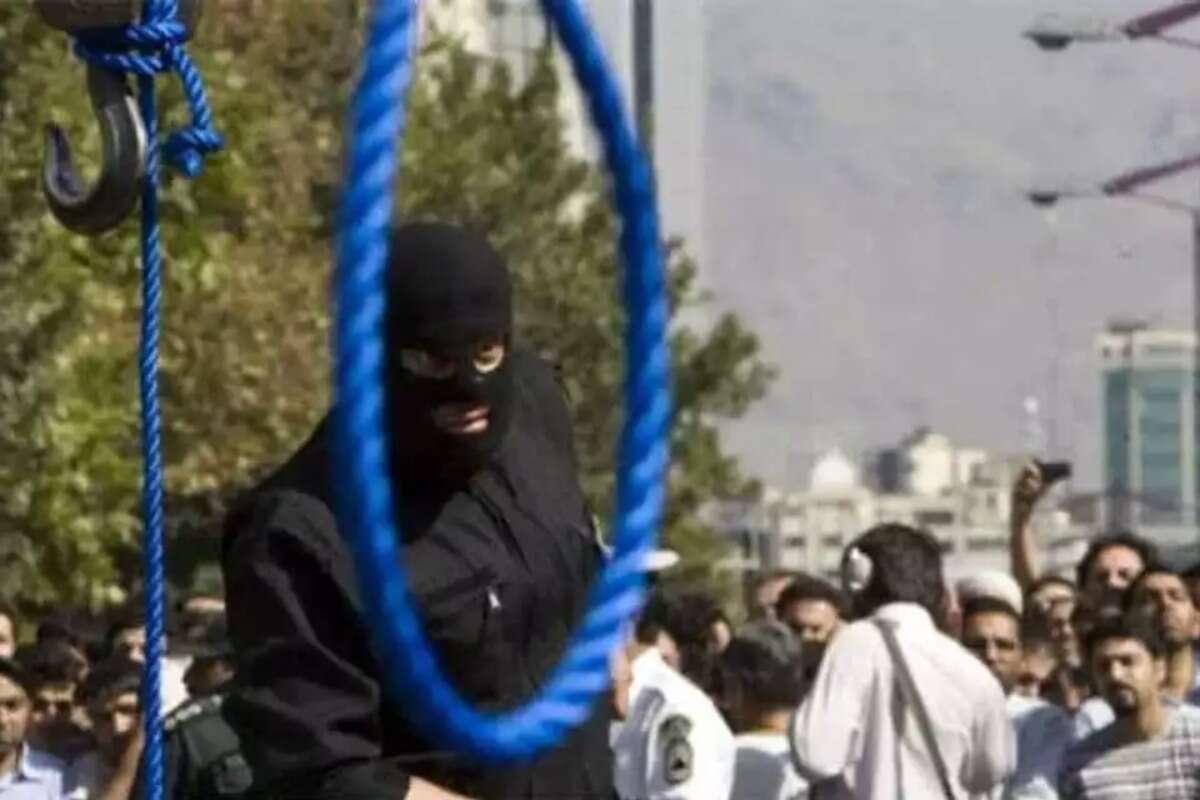
Fears of further executions have intensified amid claims by human rights groups that the regime is exploiting the war with the US and the regional escalation to accelerate punishment of protesters and political prisoners while global attention is focused elsewhere.
An estimated 100 protesters and political prisoners have been sentenced to death, while hundreds more face charges carrying the death penalty. More than 70 people are awaiting execution at Dastgerd Prison in Isfahan. Iran Human Rights said at least 24 people had been executed since March 19 over their involvement in the January protests.
Iran executed 109 people in June alone, including three women, a 10% increase compared with the same month last year, according to figures published by ARTICLE 19. Only seven of the executions were officially announced, and at least 12 families received no advance warning.
Human rights activists say the executions are intended to deter the public from returning to the streets and to project strength to the regime's supporters. They warn, however, that repression will not resolve the economic hardship and political dissatisfaction fueling the protests. "You cannot kill your way out of economic hardship and discontent," said Shahin Milani, executive director of the Iran Human Rights Documentation Center.