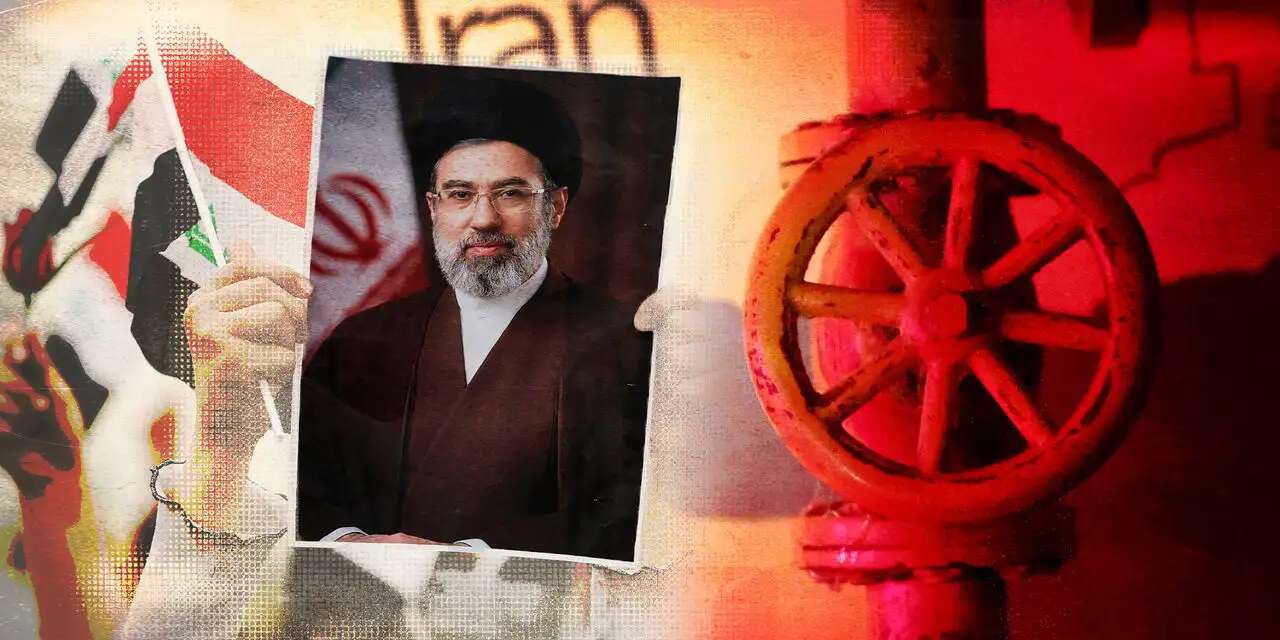
For nearly 150 days, Mojtaba Khamenei has not touched a phone. Nor a laptop, radio or anything else that emits a digital signal. He is believed to be somewhere deep underground, his face disfigured by wounds sustained in the airstrike that killed his father, and he reportedly does not dare emerge into daylight for fear that a US spy satellite will identify him, The Times of London reported this week.
To locate his father, Israel and the United States used nearly every cyber trick in the book. Traffic cameras across Tehran were hacked to identify the vehicles used by the supreme leader's bodyguards and close associates. The technology, coordinated by the US National Security Agency and its Israeli counterpart, Unit 8200, revealed exactly where Ali Khamenei and the senior military and intelligence officials surrounding him would be that day. All of them were killed.
Although he has not been seen in public, Mojtaba Khamenei holds a central position within the regime and plays a key role in decisions on military action. Now he has disappeared. The key to finding him is no longer signals interception or technological surveillance, but human intelligence, the old-fashioned, slow and dangerous form of intelligence work. It requires people to see things with their own eyes, pass the information along and then remain alive.
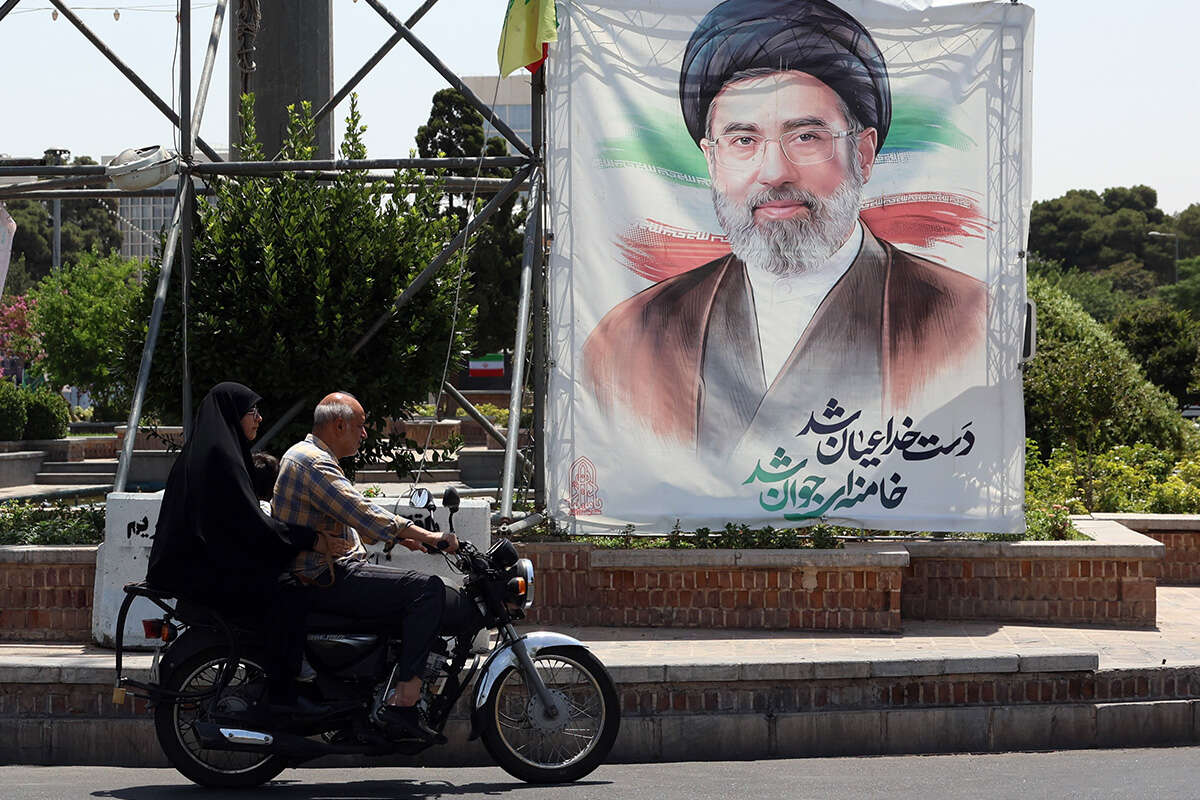
Some within the intelligence community believe he may already be dead, and that the Islamic Revolutionary Guard Corps is staging the appearance of his survival to legitimize the war against the Americans.
The two things now required are therefore proof that he is alive and confirmation of where he is hiding. He may be in one of Tehran's underground tunnel networks, or perhaps in a military bunker near the holy city of Qom, about 145 kilometers (90 miles) south of the capital.
With effective cyber capabilities no longer available, the Mossad, which operates a network of agents inside Iran, many of them Iranian citizens who have become desperate and disillusioned with the regime, is concentrating most of its efforts on answering those two questions.
Former Mossad agent Avner Avraham pointed to a major problem confronting the world's two leading intelligence agencies in their pursuit of the elusive leader. "They also use body doubles, exactly as Saddam Hussein did," he said. "Mojtaba stays in different locations, and people are employed to bring him food. What they do not know is whether the food they are delivering is intended for the real Mojtaba or for a double. So they go home at night believing they are taking care of the supreme leader, when in reality it is probably an impostor."
In other words, even those who come within touching distance of him may not necessarily know whom they are touching. At some point, the Iranian people may demand to see their new leader. He did not attend his father's funeral this month, and the only evidence that he remains alive consists of several official wartime statements issued in his name — yet a signature on a piece of paper is hardly proof of life. The question now is whether, in an effort to calm the Iranian public, he will try to record a personal message.
"Even if he does not show his face, he could use his voice to deliver a message to the Iranian people," Avraham said. "But that could expose him. Information can be extracted from an audio file, such as the type of recording device used and perhaps even the location where it was recorded."
A former senior US defense official believes Tehran has fully absorbed the lesson of the Feb. 28 strike. "I am fairly certain that Mojtaba is now observing much better operational security, and as a result, human intelligence will become more important in the hunt for him," he said.
He immediately added a qualification. "I am skeptical about US human intelligence capabilities because Iran has been a denied environment for 40 years. Israeli human intelligence is far better, but it also has its limits."
Should the Mossad and CIA nevertheless succeed in determining his location, the matter will move into the political arena. Security chiefs in Jerusalem and Washington will have to decide what to do with the information. At that point, the question will no longer be operational, but strategic.
A former senior US intelligence official described the dilemma bluntly. "I think we have probably killed enough Iranian leaders for now, unless there is a very high degree of confidence that the current leader would be replaced by someone committed to a democratic future for Iran, who would ride onto the scene on a white horse."