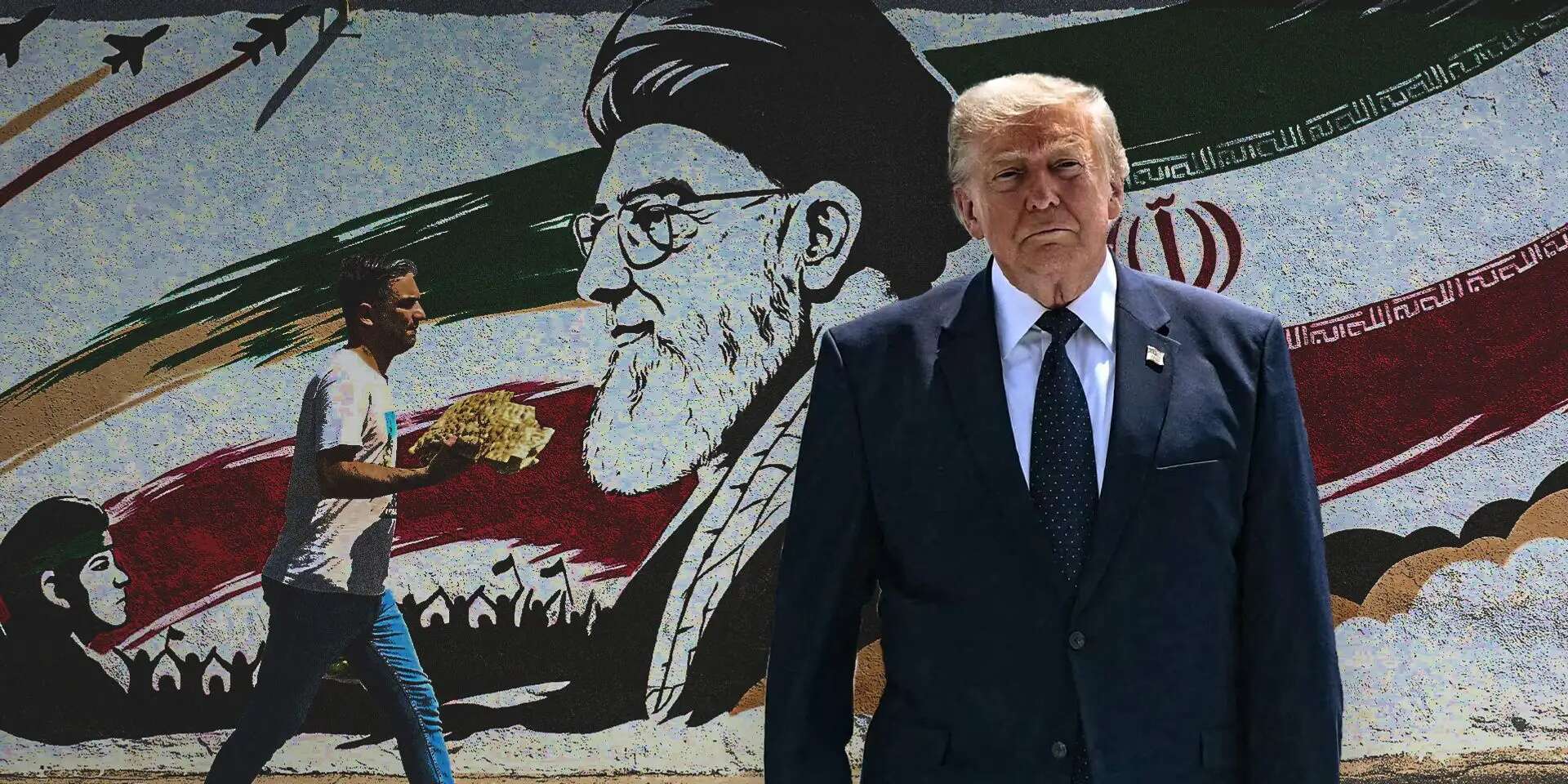
Returning to the campaign against Iran using the same operational approach would not change the reality in the Persian Gulf or force Tehran to surrender. Even expanding the campaign to target Iran's strategic infrastructure could inflict unprecedented damage on the regime, but it is doubtful that this would change its strategic decisions. That is likely one of the main reasons for the Trump administration's hesitation over resuming a broad military campaign.
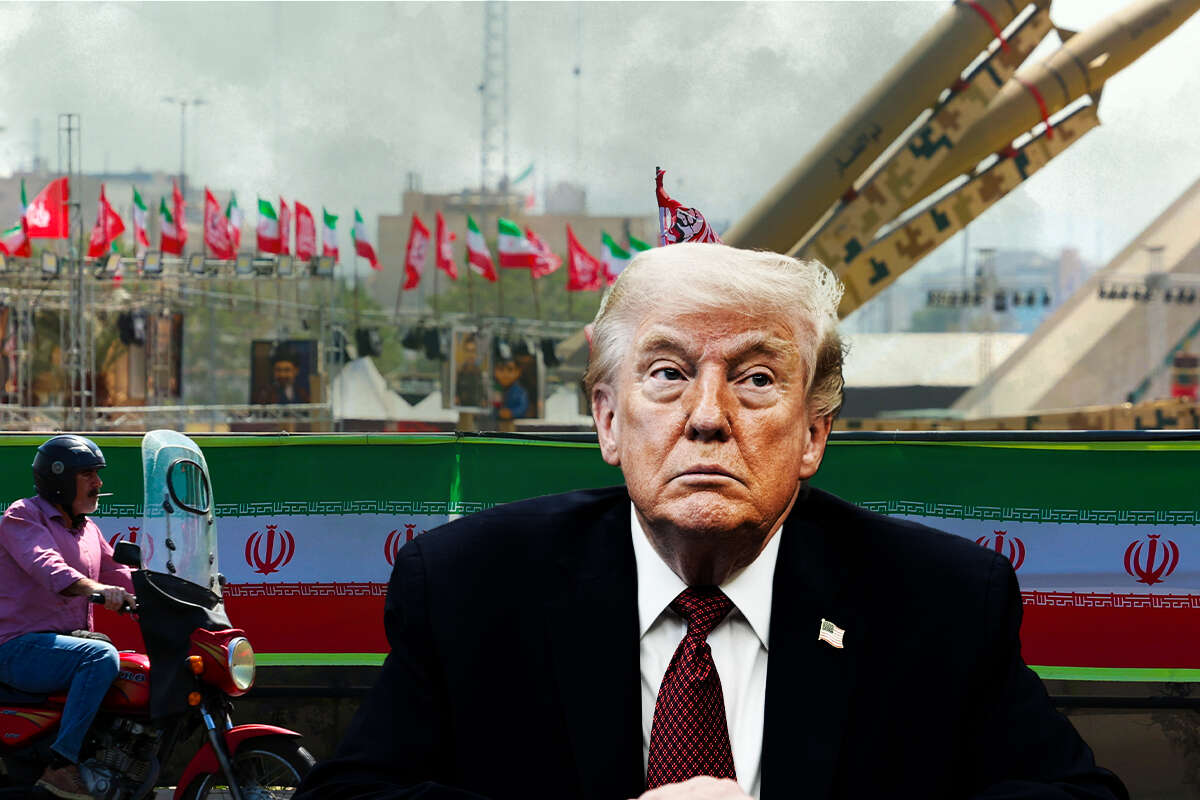
The decision to postpone a large-scale strike on Iran this week was not made in a vacuum. Pressure from Gulf states, led by Saudi Arabia, together with reservations expressed by senior figures in President Donald Trump's inner circle, prompted the administration to give diplomacy another chance. The decision itself indicates that Washington is also far from certain that another military campaign would bring Iran to the negotiating table from a position of weakness.
The question that really matters
The more important question, however, is whether a broad US strike would have changed the strategic reality. The answer is, probably, no.
Had the administration returned to the operational pattern that characterized the previous campaign, namely eliminating senior officials, striking weapons-production facilities and damaging Iran's military apparatus, it would undoubtedly have inflicted further harm on Tehran's military capabilities. But there is no reason to assume that this would have changed Iran's position on the core issues, foremost among them control of the Strait of Hormuz. The damage would have increased, but Iranian policy would have remained unchanged.
The second option was to expand the campaign to target civilian and strategic infrastructure, including power plants, energy facilities and other essential infrastructure. Such a move would have dealt a severe blow to the Iranian economy and deepened the country's domestic crisis. Even then, however, Iran's response would probably have been fierce: attacks on the energy infrastructure of Gulf states, further disruption to shipping routes and an intensification of the regional and global economic crisis. Even under this scenario, there was no certainty that Iran would change its policy or abandon its demands.
A third option was to deploy ground forces to seize strategic targets, such as Kharg Island, or attempt to take control of Iran's enriched uranium stockpiles. Such an operation would have inflicted significant strategic damage on Iran and impaired its nuclear capabilities. But it would also have dramatically expanded the war and required deep, sustained US involvement, with no guarantee that the Iranian regime would surrender.

This is the key point. Iran does not assess the campaign solely in terms of military or economic costs and benefits. From the regime's perspective, compromising on fundamental principles, whether concerning its nuclear program, military capabilities or vision of regional influence, is viewed as an existential threat. The leadership in Tehran may therefore prefer escalation to surrender, even if the price is high.
This also explains the hesitation in Washington and the concerns of the Gulf states. There is no doubt that the US has the military capability to inflict unprecedented damage on Iran. The question is whether such damage would produce the desired strategic result. For now, there is no affirmative answer.
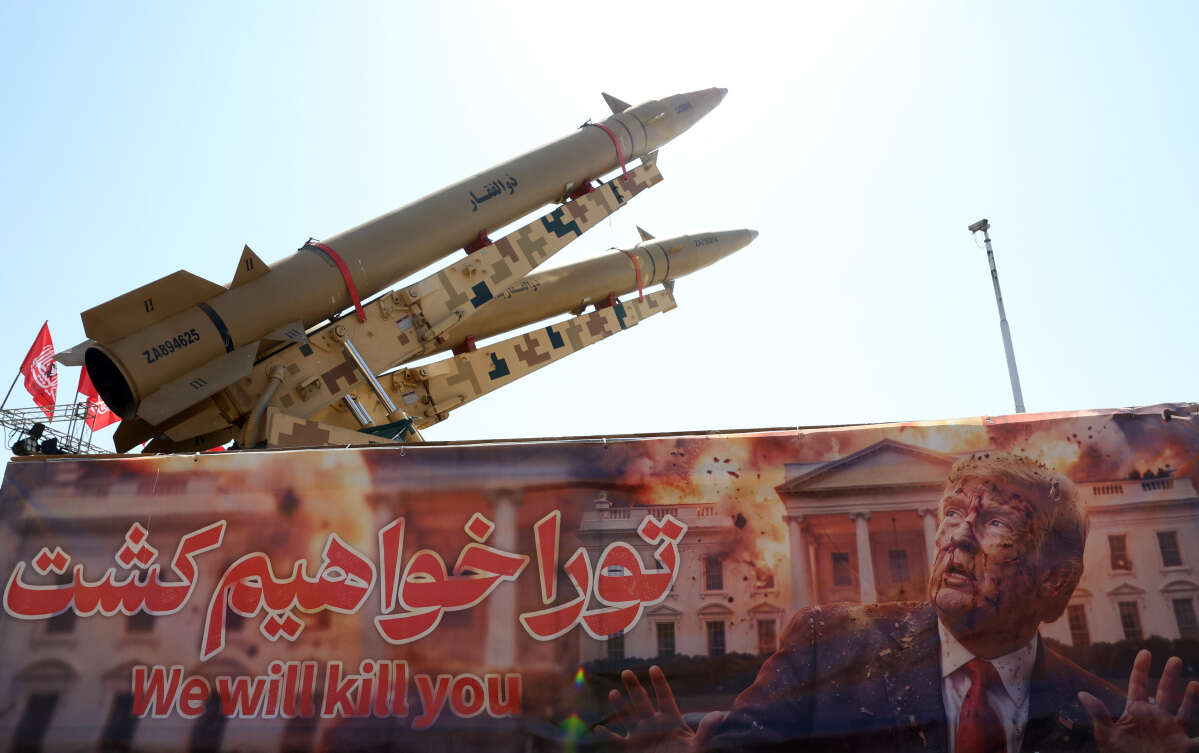
The main lesson from the campaign is that Iran offers no simple solutions. It is not invulnerable and has significant weaknesses, but it has also demonstrated a far greater degree of resilience than many had anticipated. Unless the US, Israel and the Gulf states are prepared to invest, over years, the resources and forces required and to bear the necessary costs to destabilize the regime, it is difficult to see how another military round, however intense, would compel Iran to surrender or fundamentally change its policies.