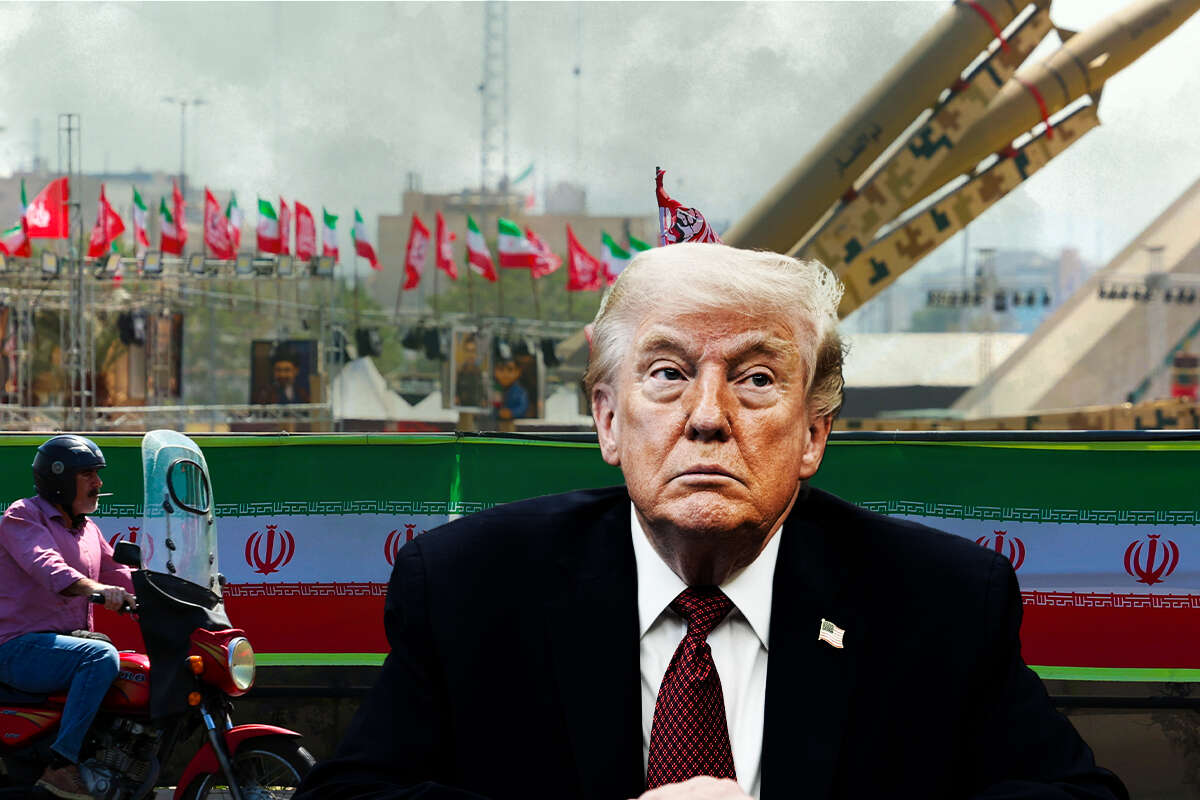
Reports of discussions in Iran about adopting an "offensive approach," meaning a deliberate return to escalation, shed light on several assumptions underlying the thinking of Tehran's current leadership: It does not want an endless war, it refuses to capitulate to the president's demands, and it is determined to preserve what it regards as its achievements in the conflict. If forced to choose, and this appears to be a question on which it has already made up its mind, Iran will opt for escalation rather than surrender.
Economic pressure is indeed hurting Iran, but the pain does not flow in only one direction. US sanctions and pressure are inflicting significant damage on the Iranian economy, but Tehran believes it can shift part of the cost onto the global economy, first and foremost by disrupting energy flows and undermining regional stability. The United States has continued tightening sanctions on Iranian oil, shipping and financial networks in recent months, while also enforcing a naval blockade.
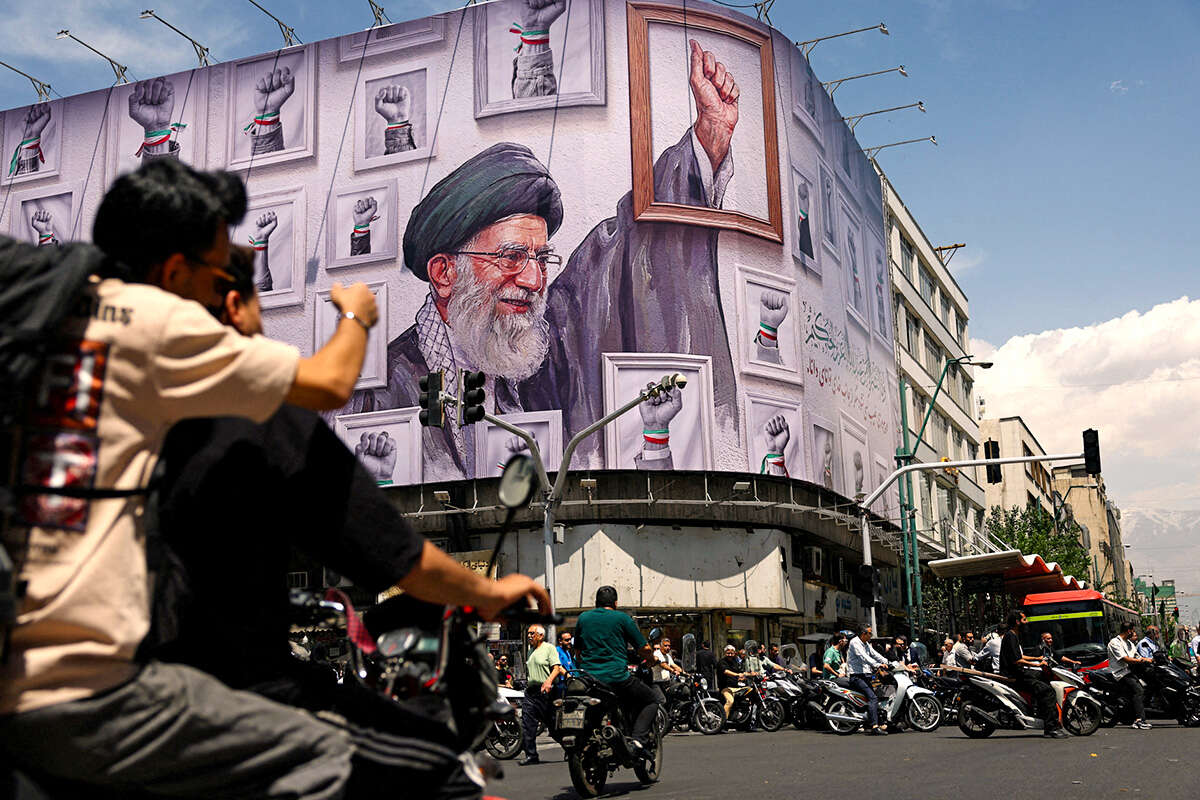
Iran will not indefinitely accept a status quo that allows the US to reap the benefits of "maximum pressure" at little cost. Current Iranian thinking places greater emphasis on initiative and offensive action, and the longer the economic siege continues, the stronger Tehran's incentive will become to initiate friction and create new sources of leverage.
Contrary to US President Donald Trump's hopes, there is not necessarily a stable middle ground.
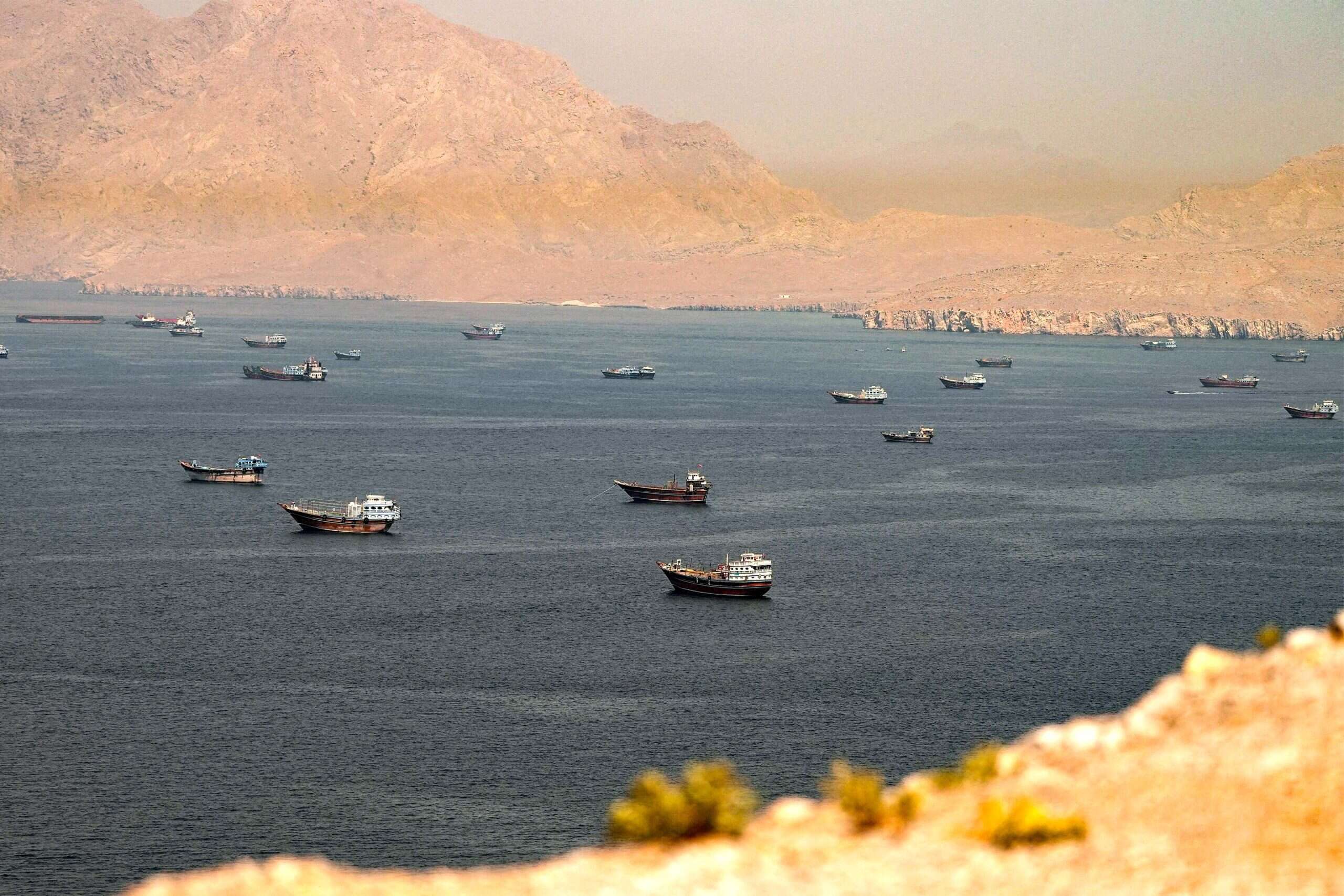
Washington cannot assume that it can continue applying maximum pressure, avoid reaching an agreement and at the same time pay no price. In a scenario of prolonged escalation, even freedom of navigation through the Strait of Hormuz cannot be taken for granted, as illustrated by the delayed agreement with Oman that is ostensibly intended to facilitate it.
There is no quick knockout blow against Iran. Additional pressure on China, an attempt to tighten the land blockade or another round of sanctions are not magic solutions. They can make life extremely difficult for Iran, but they will not necessarily force it to capitulate. As Iran's distress deepens, Tehran's default response will be to try to raise the price paid by its adversaries and, in this case, by the global economy as well.
The US administration still appears to have difficulty understanding how the Iranian system thinks. The regime can compromise, make tactical retreats and even change policy, but publicly surrendering under pressure runs almost directly counter to the ethos on which it is built.
That is why frustration in Washington, and especially for Trump, is likely to mount. He appears increasingly unable to avoid deciding between the two options that have confronted him for months: costly and unpredictable escalation, or the humiliating acceptance of Iran's terms.
For Washington, the choice is between bad and worse.