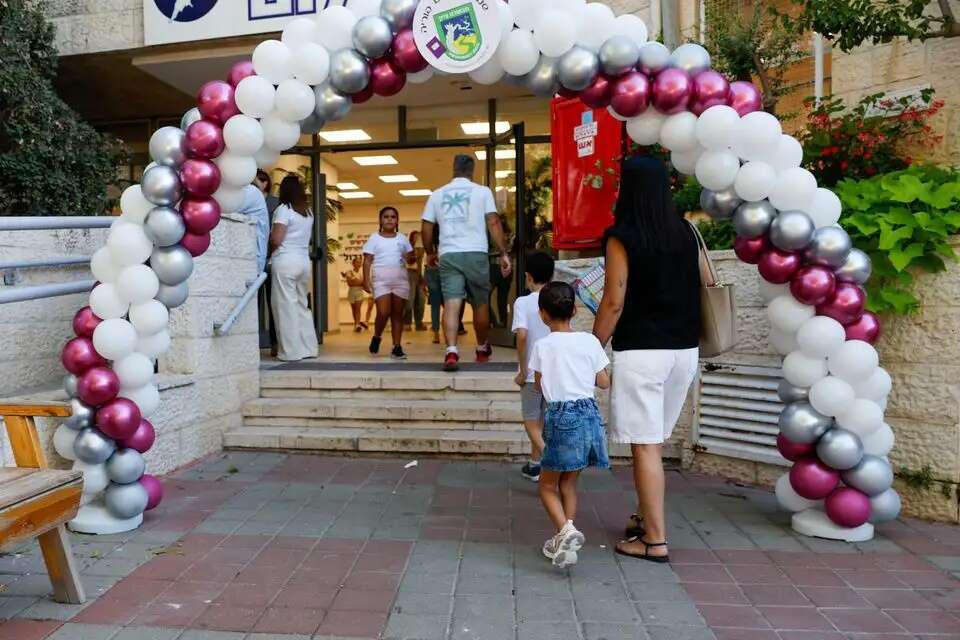
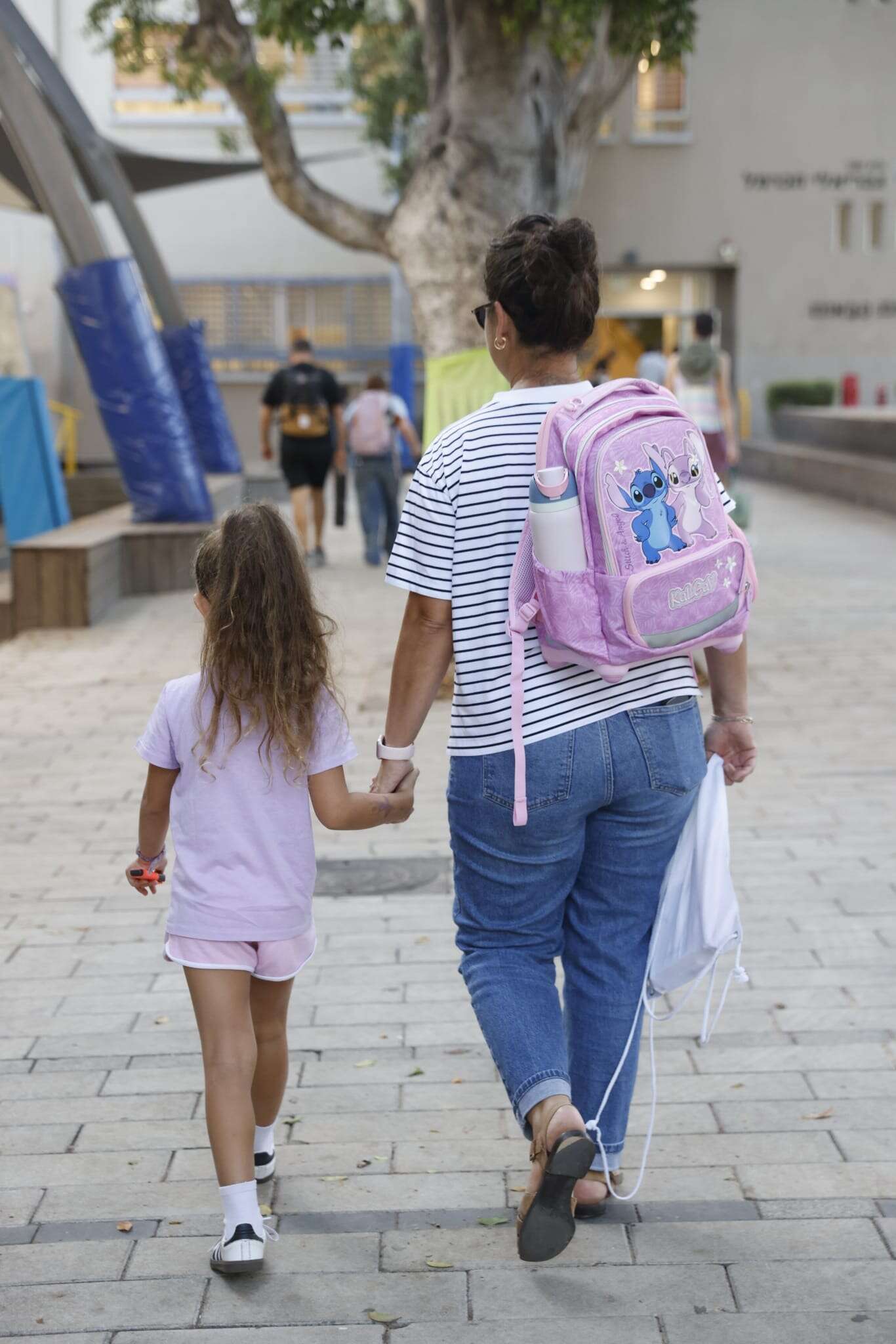
Millions of students, teachers and parents are beginning the 2026-27 school year Tuesday, Sept. 1. Alongside the excitement at school gates and the new backpacks carried by first-graders, the start of the year is also accompanied by considerable concern and hope that, after a long and difficult period, the coming year will be calmer, more stable and marked by an uninterrupted learning routine.
Just before the first bell, millions of students and parents are already making their way to schools and kindergartens, where festive welcome events, red carpets and emotional reunions await them.
The Education Ministry reported no unusual incidents ahead of the opening, although in several locations parents were partially disrupting classes for various reasons. According to the Education Ministry, the system is short just 434 teachers. However, education professionals on the ground say the true shortage runs into the thousands of teachers and other education staff, taking a toll on the system.
"Behind the opening of the school year is an entire system that has worked over the past few months to bring schools and kindergartens to this moment," Education Ministry Director-General Meir Shimoni said. "Our mission continues every day, supporting the teams and ensuring that policy and resources reach the classroom and every student."
Against this backdrop, the question is whether this could prove to be a turning-point year for Israel's education system. Israel is due to hold elections next month, potentially resulting in a new education minister and a government made up of parties that have pledged far-reaching changes to the education system. Proposals include transferring the management of schools to local authorities and changing the way teachers are employed, alongside greater investment in early childhood education and subsidized daycare for families of IDF reservists.
The system still faces serious structural problems. Chief among them is the severe shortage of teaching staff, particularly in core subjects such as mathematics, science and English. Many school principals were forced to improvise solutions until the last moment, merging classes and relying on part-time staff in an effort to begin the year with full class schedules.