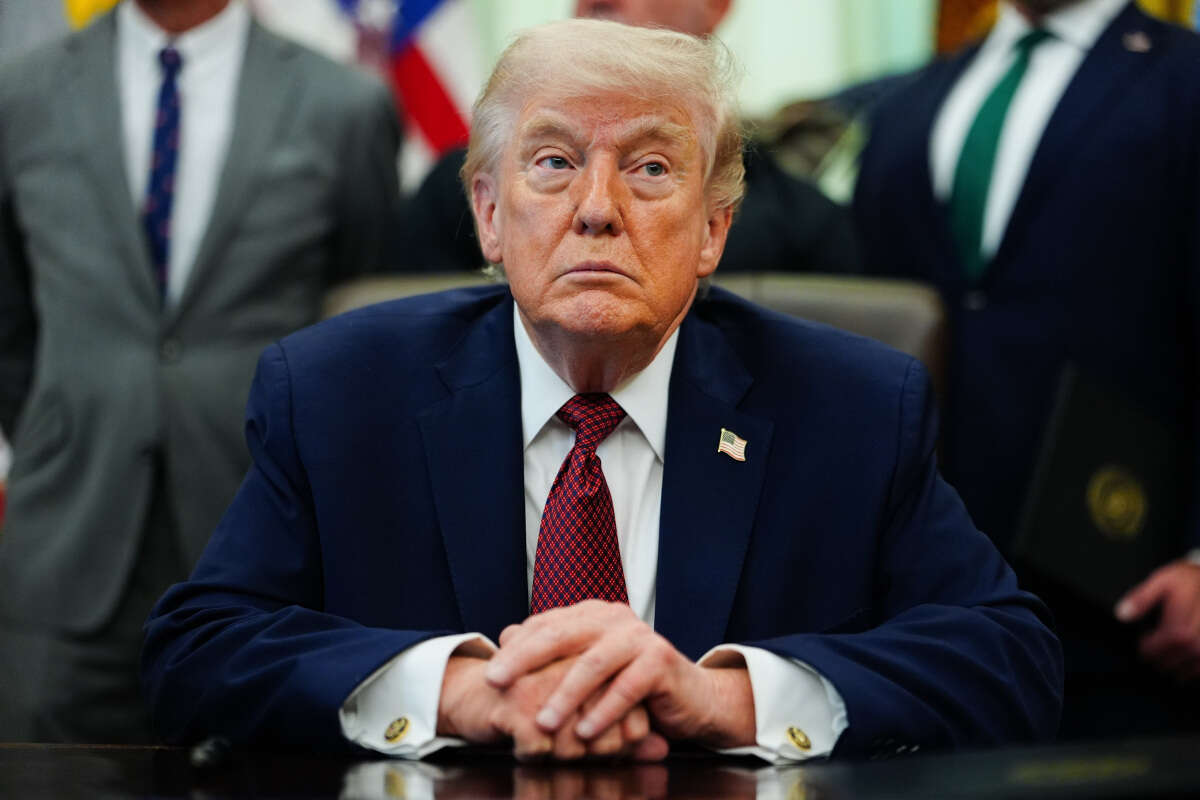
Senior aides to President Donald Trump have pushed to prevent the war with Iran from escalating ahead of November's midterm elections, in an effort to curb Republican losses at the polls. Four people familiar with the discussions told Reuters about the strategy.
White House officials will consider ramping up military action after the November 3 vote, the sources said, speaking on condition of anonymity to describe internal thinking. However, a return to full-scale conflict remains far from certain.
For now, the sources said, the administration has focused on tightening economic pressure on Iran in an effort to extract concessions in any future negotiations, concessions that months of military action have failed to secure. "We are keeping the pressure on Iran," a White House official said. "But November is a priority."
Keeping the war largely restrained until then would help prevent the unpopular conflict from dominating the news as Trump's Republicans campaign to defend narrow majorities in the Senate and the House of Representatives, the sources said. Three of them are White House officials.
Only 31% of Americans support the war, while roughly 63% oppose it, according to a Reuters/Ipsos poll from late August, and voters are notably unhappy with high gas prices. A tactical pause could also give the US military some breathing room to replenish its depleted ammunition stockpiles, the sources said.
But implementing the "restraint" strategy appears to be growing harder by the day. While the conflict remains far less intense than it was in the spring or during a mid-summer flare-up, both sides have exchanged strikes in recent days.
Iran's leaders, who are in crisis after months of disrupted shipping through the Strait of Hormuz and facing some domestic unrest, will likely continue to strike US targets and allied interests in the Gulf, including military bases, vessels and energy infrastructure, at least intermittently, analysts said.
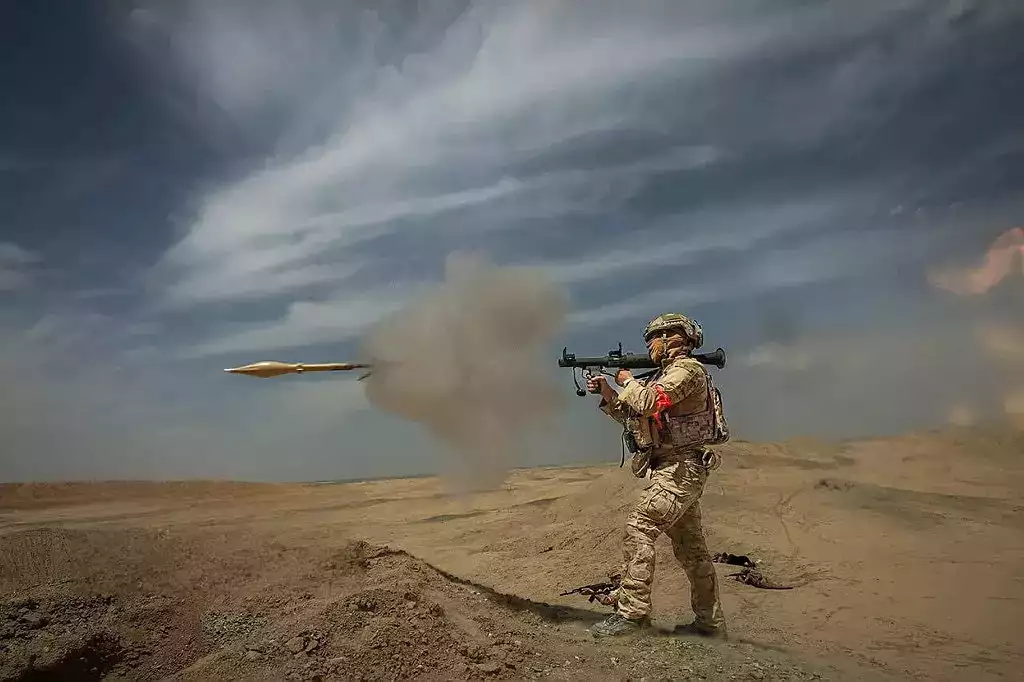
The US will face pressure to respond, a dynamic that could trigger a spiral of escalation, dragging both sides back into a full-scale air war, regardless of whether the administration wants that outcome.
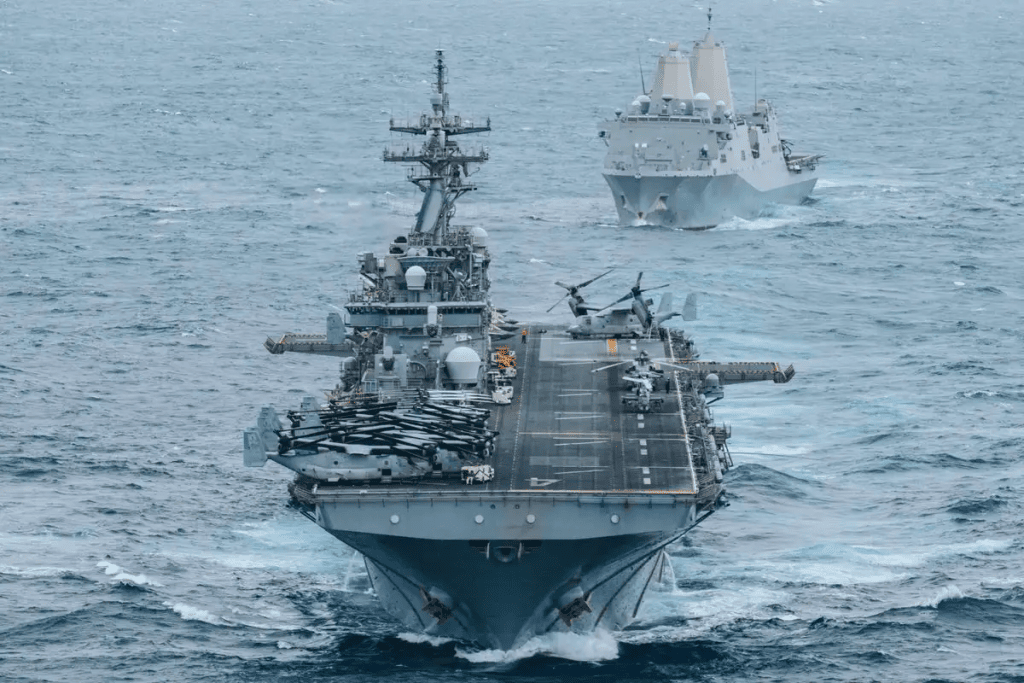
Over the weekend, the US struck rocket launchers on Iran's Larak Island after a month of relative quiet, prompting Iran to fire missiles toward Jordan and the United Arab Emirates. On Tuesday, the US struck additional Iranian targets around the Strait of Hormuz.
"The regime has every incentive to disrupt the 'calm' - which is no real calm, after all, since the administration's explicit aim is to increase economic pressure massively on Iran," Barbara Leaf, who served as the State Department's top Middle East official under former President Joe Biden, said.
Another unpredictable factor is Trump himself. The president's approval rating has fallen from 40% to 33% since the conflict began, according to Reuters/Ipsos polling. Sources said he is not currently interested in escalation, but he is known for changing his mind and could shift course in response to events.
Trump threatened Tuesday to escalate the conflict if Iran retaliates against recent US strikes."If the failed Nation of Iran retaliates for this very justified attack, they will be hit again at a much harder and higher level, but it will not be the biggest attack of them all, that is waiting in the wings," he wrote on his Truth Social platform.