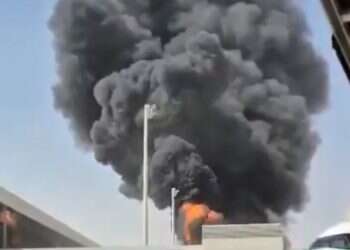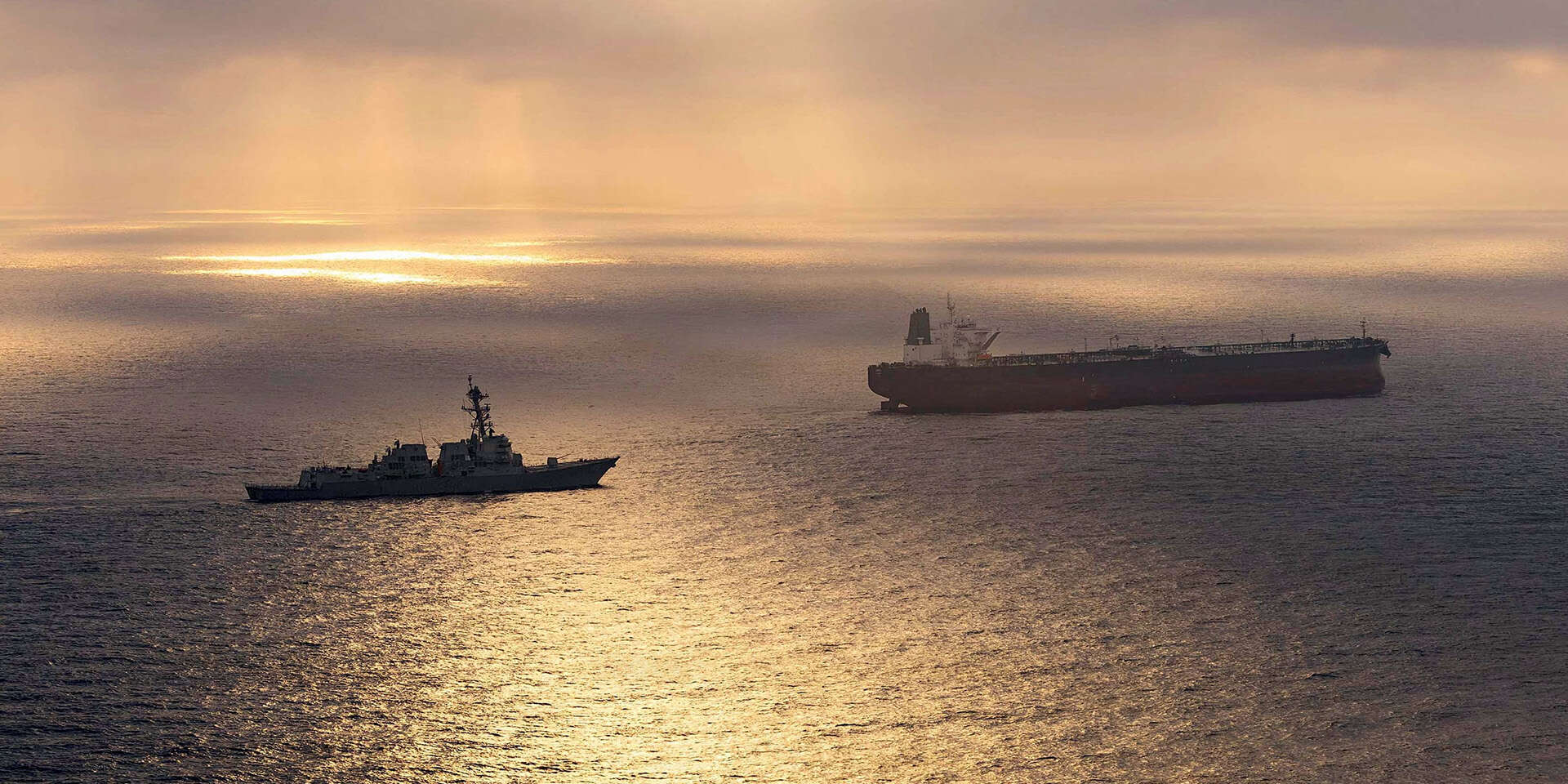
The US military struck targets in southern Iran on Tuesday in response to attacks by the Islamic Revolutionary Guard Corps on commercial vessels in the Strait of Hormuz and missile attacks on US bases in Jordan, US Central Command said.
US President Donald Trump said the strikes were also retaliation for eight missiles Iran fired at a US military base in Jordan and warned that if Tehran responded, "they'll be hit much harder."
Hours later, Iran announced that it had begun attacking American targets in retaliation for the US strikes, shortly after US embassies across the Middle East issued warnings to American citizens in the region over fears of further retaliation.
Iranian media reported that the US strikes hit targets along the country's southern coast, including in Bandar Abbas, Jask, Chabahar, Konarak, Minab and Sirik, as well as on Qeshm Island. A US official told Axios that the operation was intended to reduce the risk of Iranian attacks on oil tankers, US Navy ships and Air Force aircraft, describing the approach as "mowing the grass."
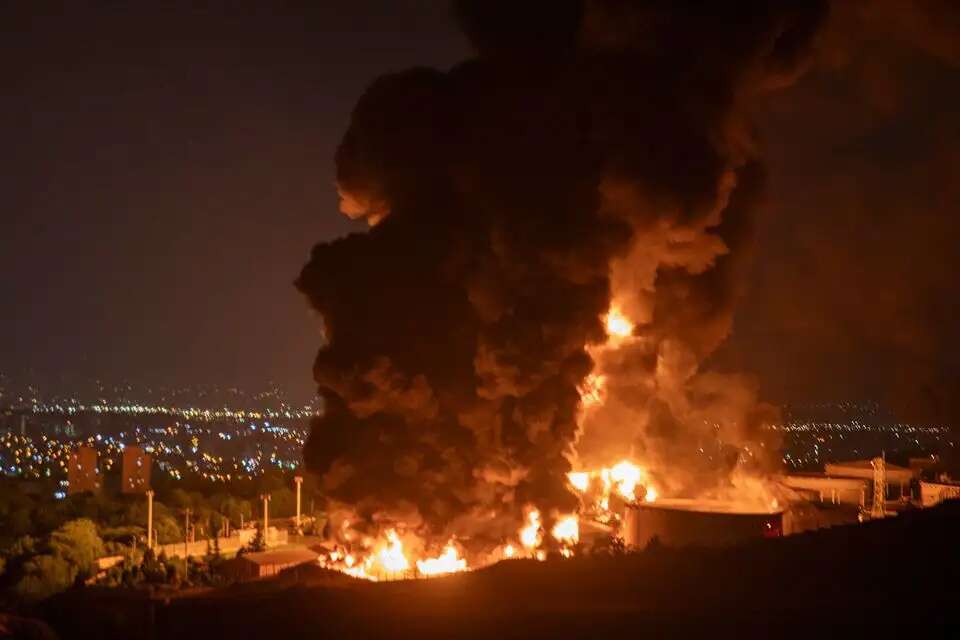
Speaking about the strikes, Trump said Iran had been trying to rebuild radar systems that the United States had been monitoring. "They tried to rebuild their radar because they can't see anything," Trump told Fox News. "We waited until it was almost built and then we hit it."
Asked about munitions and reports of shortages in US stockpiles, Trump said there was enough to continue if Iran responded. On the memorandum of understanding, he said, "I think an agreement with them isn't worth the paper it's written on. We gave them a lot of chances."
The latest wave of strikes came at the height of an escalation that began Sunday, when US forces struck rocket launchers on Larak Island in the Strait of Hormuz. Washington said the attack was intended to prevent Tehran from deploying sea mines. Iran said two people were killed and others wounded in the strike.
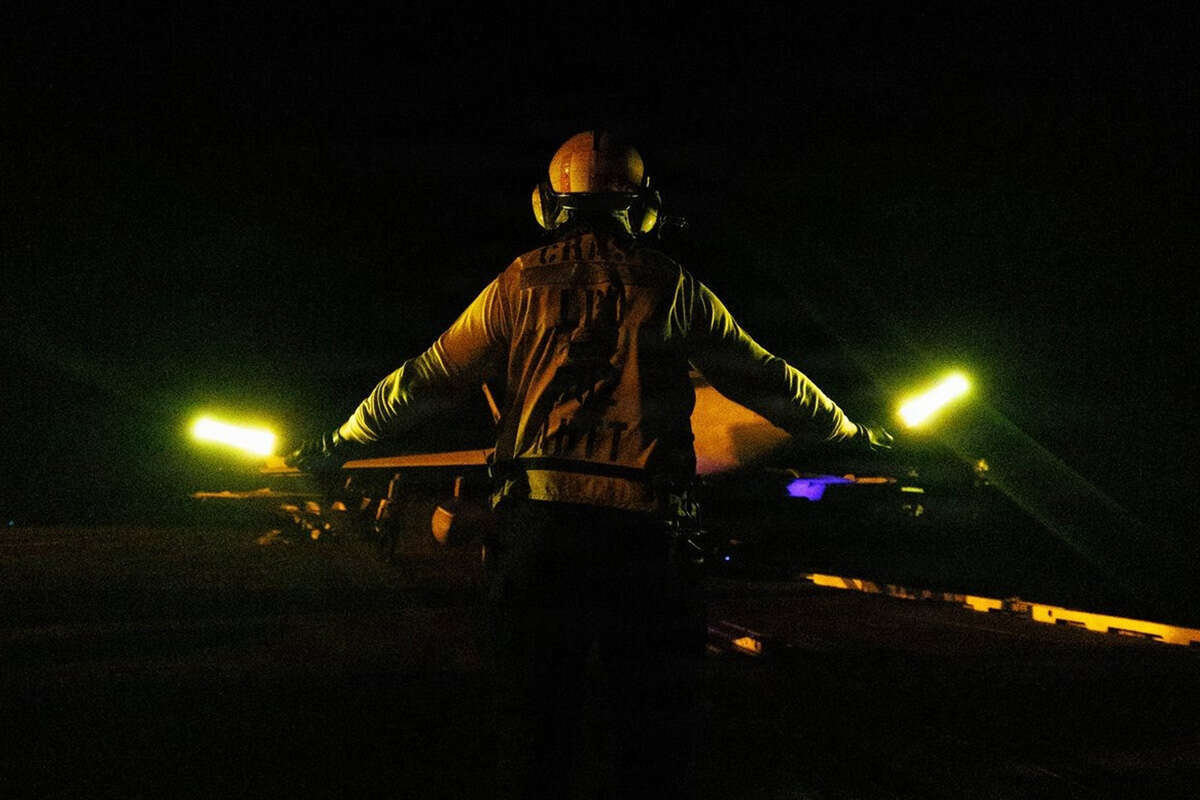
In a post on X, US Central Command said US forces had "began striking Islamic Revolutionary Guard Corps (IRGC) targets in Iran" at noon Eastern Time on Tuesday, 7 p.m. Israel time.
"The strikes follow recent attempted attacks by the IRGC against commercial shipping in the Strait of Hormuz and against American service members deployed to the region," CENTCOM said.
Shortly after the first reports of the strikes emerged, Trump posted a statement on Truth Social.
"The United States is, as we speak, striking Iranian Targets near the Strait of Hormuz," he wrote. "The strikes are large and powerful, and in retaliation for the Iranians' failed attempt at adding sea mines to the Strait, which currently has no mines (They have been completely removed or detonated!), and the Iranians shooting eight missiles, all successfully knocked down, at our Military Base in Jordan."
"If the failed Nation of Iran retaliates for this very justified attack, they will be hit again at a much harder and higher level, but it will not be the biggest attack of them all, that is waiting in the wings and, when it is over, there will be very little left of the Islamic Republic of Iran!" Trump added.
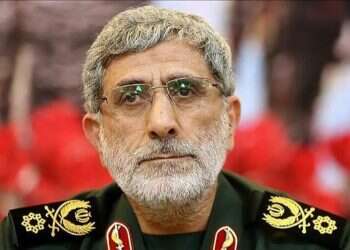
Tehran said it intended to respond. The Tasnim news agency, which is affiliated with the Revolutionary Guards, quoted a "senior military source" as saying that "the Iranian Armed Forces will undoubtedly respond to the US actions tonight, and the response will be incomparably more severe."
"As we have warned and promised, the Armed Forces will respond decisively and comprehensively to any attack on our country's territory and interests," the source said, adding that "American interests and bases in the region will be attacked swiftly."
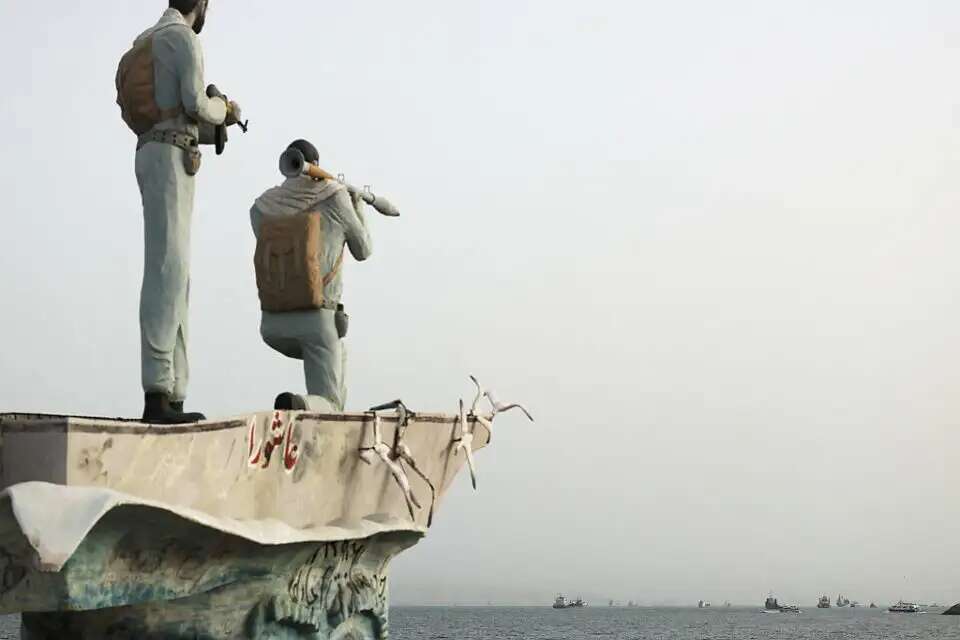
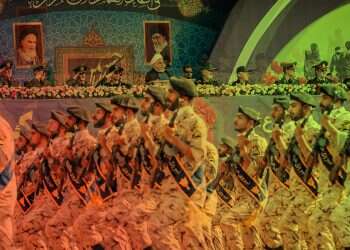
A Revolutionary Guards spokesman, meanwhile, said that "severe punishment awaits the aggressors, and the US will regret its new attacks."
At the same time, US embassies across the region issued security alerts to American citizens. The US Embassy in Jerusalem said that because of tensions in the region, "the security environment remains complex with the potential for unforeseen escalation," and urged US citizens to exercise increased caution and prepare for possible airspace closures and flight cancellations.
Similar warnings were issued by the US embassies in Doha and Amman, which advised those planning to travel to or from the Middle East to monitor airline announcements.