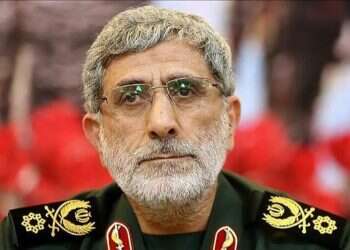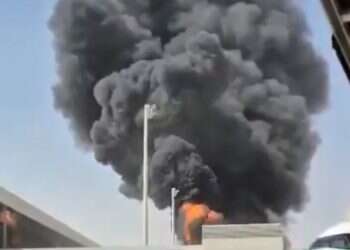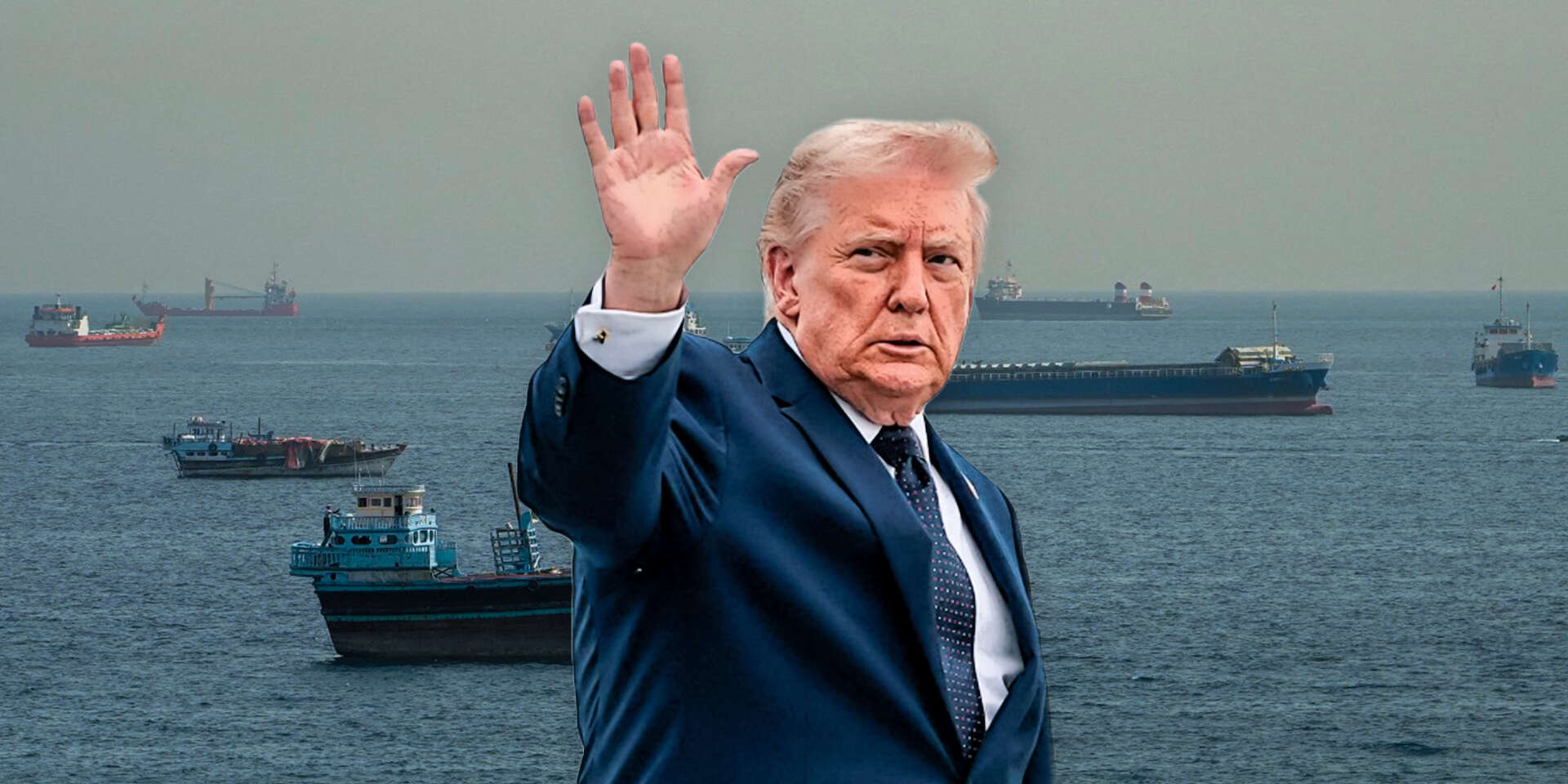
The US is preparing for the possibility that the war with Iran will continue well into 2027, with War Secretary Pete Hegseth quietly extending military deployments in the Middle East despite promises at the outset of the campaign of a swift and decisive blow, The Wall Street Journal reported.
Some 50,000 US troops are currently deployed in the region as part of a strategy designed to preserve President Donald Trump's options as the war continues. Their missions include intercepting Iranian missiles and drones, protecting commercial shipping in the Strait of Hormuz and enforcing a blockade of Iranian ports and coastal areas. At the same time, the forces remain prepared to launch a broader offensive should Trump decide to escalate the campaign.
According to the report, Trump has privately discussed with senior advisers whether to declare the war over. US officials said the president favors doing so and believes continued economic pressure will ultimately force the Iranian regime either to dismantle its nuclear program or collapse. "I like our position now much better, with almost total control of the Hormuz Strait, and their economy totally collapsing," Trump wrote on social media. "They are only delaying the inevitable. When are the Iranian people going to rise up and fight?"
Trump's advisers have warned that escalating the war beyond the current exchanges of strikes could hurt the Republican Party's prospects in the November midterm elections. Trump, for his part, has said electoral considerations do not factor into his decisions on the war.
Heavy strain on US forces
The prolonged deployments are, meanwhile, placing a heavy burden on US service members, their families and military maintenance systems. Air defense units have had their deployments extended from nine months to a year, while some units have already been away from their home bases for more than a year. Troops from the 82nd Airborne Division could also remain in the Middle East well into 2027.
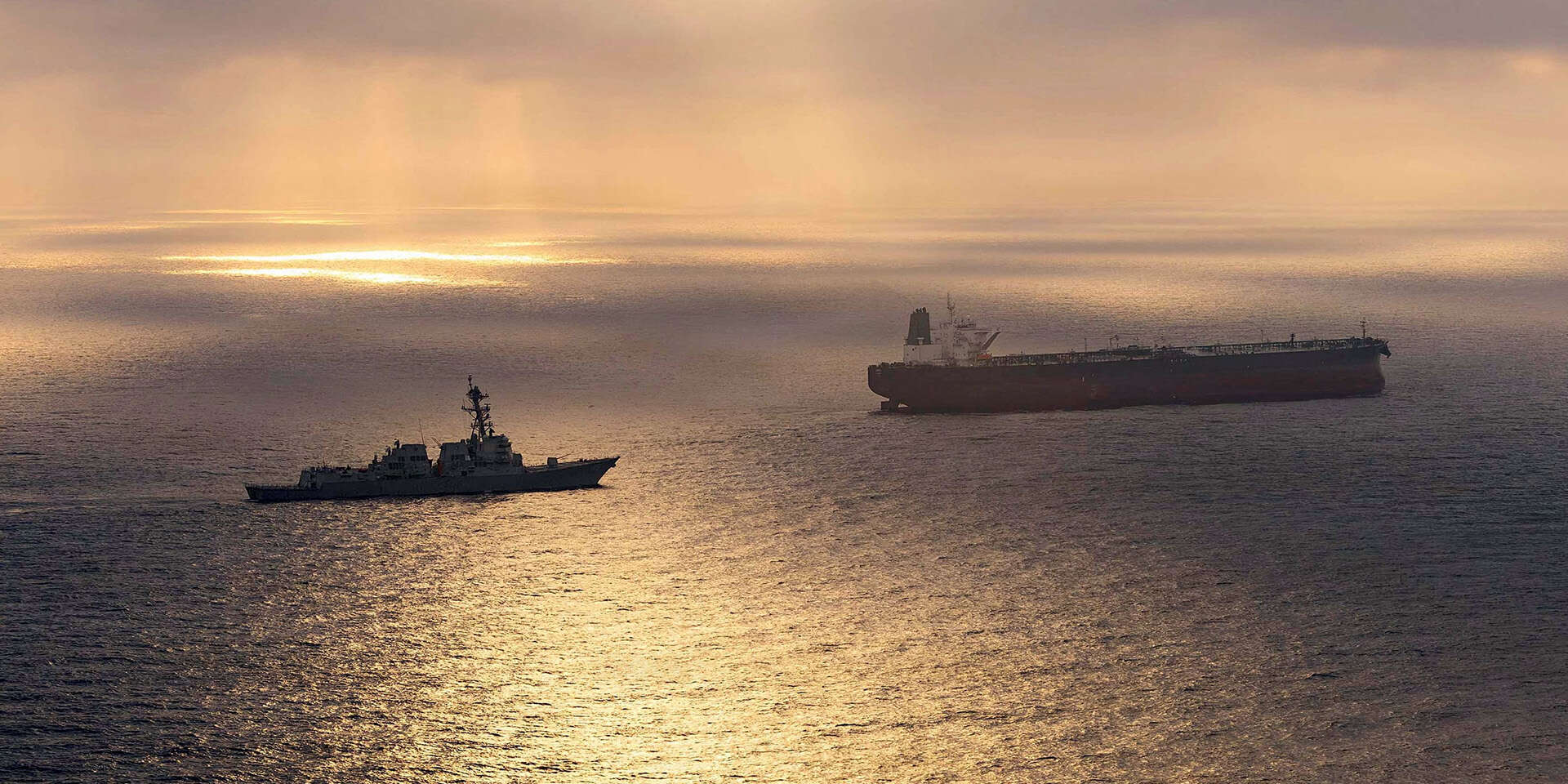
The US Navy currently has 19 warships operating in Middle Eastern waters, including two aircraft carriers and 13 guided-missile destroyers. Some of the vessels have been operating continuously for months, while the fighting has complicated efforts to resupply them in the region and forced them to rely heavily on the remote US-British military base on Diego Garcia in the Indian Ocean.
Military officials and analysts have warned that the extended deployments could wear down US forces, delay ship maintenance and weaken American readiness in other theaters. "They're setting themselves up for this to continue well into next year," a former senior US Navy official said. "That means accepting less presence elsewhere and making Iran the focus of military planning for the year ahead."
Trump has made clear that the US military will remain ready to conduct additional strikes "anytime we want" after Iran attempted this week to deploy new mines in the Strait of Hormuz. "We see everything they're doing," he said. "They can't go to the bathroom without us seeing it."