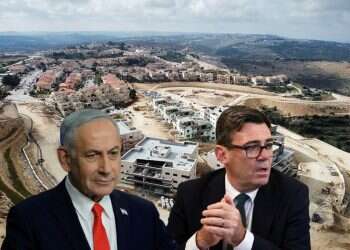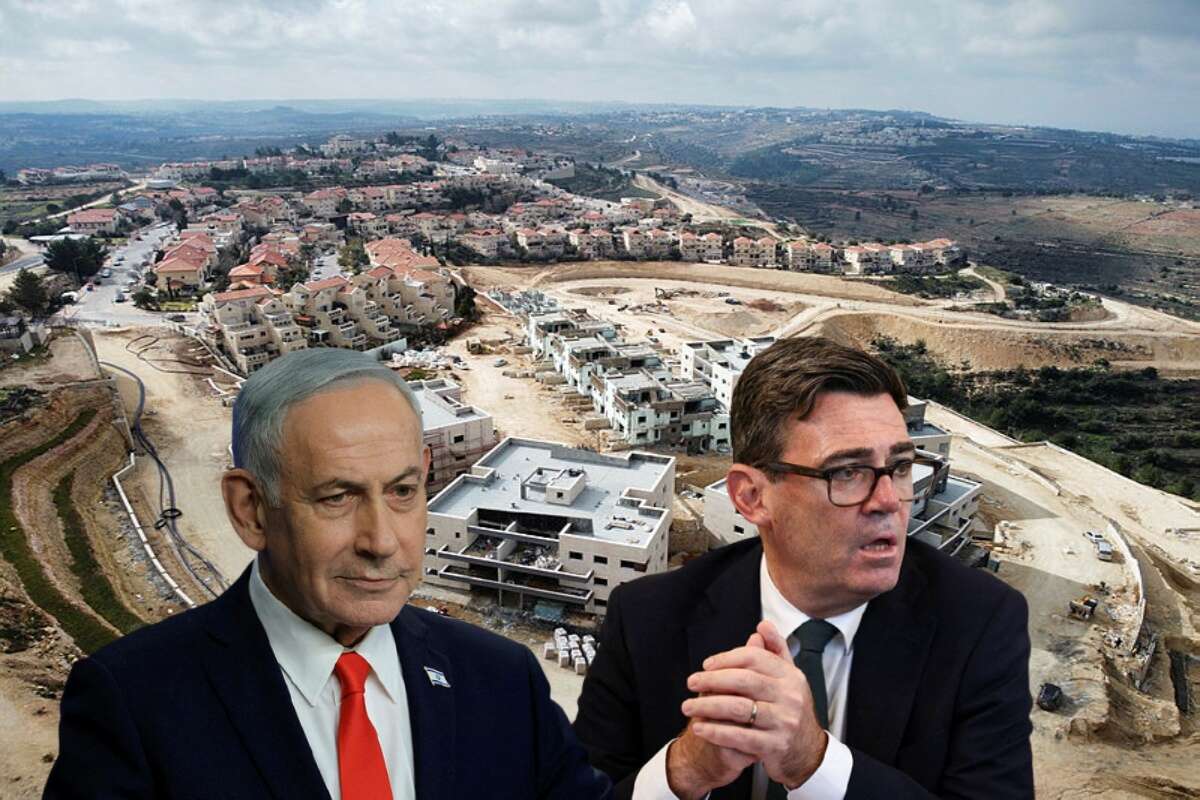
Despite the profound anger in Israel over Britain's recently announced sanctions, mounting evidence suggests that London is actively working to de-escalate the diplomatic crisis.
Israel Hayom has learned that a significantly broader and harsher package of sanctions was initially on the table. However, British Prime Minister Andy Burnham faced intense domestic criticism and stark warnings that severe measures could jeopardize the unique security relationship with Israel. Critics also cautioned that such a move could inadvertently boost Prime Minister Benjamin Netanyahu and the right-wing bloc in the upcoming elections, while potentially triggering a fierce American backlash.
A senior diplomatic official revealed that American officials worked behind the scenes during the bilateral talks, explicitly warning the British government against overplaying its hand.
Strategic de-escalation
London's decision to make British Foreign Secretary Ed Miliband the public face of the sanctions, rather than Burnham, is widely viewed as a deliberate attempt to lower the flames. Another clear indicator of this softened approach is the concurrent sanctioning of Hezbollah and Iranian entities alongside the measures targeting Israel.

An Israeli official dismissed the dual targeting, noting that sanctions against terror organizations and Iran were long overdue. The official slammed the move as sheer hypocrisy and an attempt to "legitimize the illegitimate" through tactics the official described as "dirty."
British officials, however, insist that the sanctions strictly target specific individuals and entities in Judea and Samaria. They maintain that all other dimensions of the bilateral relationship – including academic, security, and economic ties – will remain entirely unaffected. London stressed that the bond between Israel and Britain is uniquely deep and will weather the current political storm.
From London's perspective, diplomatic friction between governments is natural, and substantive disagreements currently divide the Burnham and Netanyahu administrations. British officials argued that these profound differences necessitated what they termed "warning steps."
While the British strongly deny that the sanctions constitute election interference, they recognize the measures could politically benefit Netanyahu's coalition. They also reject allegations that the sanctions were designed to pander to Burnham's base in the Labour Party ahead of its October 27 conference. Nevertheless, they concede that Burnham must somehow appease the party's anti-Israel factions.
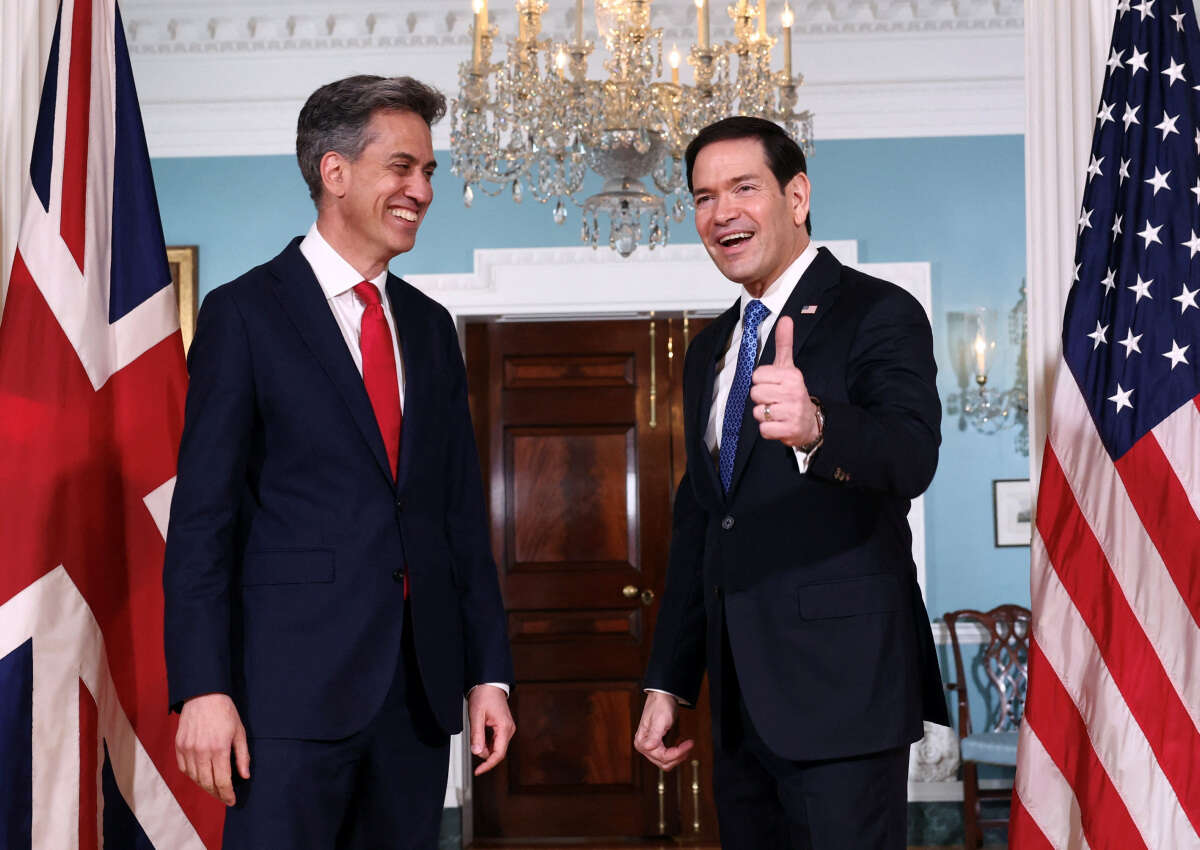
Ultimately, Britain's attempt to soften the blow aims to prevent a downward spiral of retaliatory measures. However, London will likely struggle to accept the closure of the consulate in east Jerusalem without responding forcefully. Furthermore, their exclusion from the Civil-Military Coordination Center
in Kiryat Gat (the headquarters for the US-led Gaza stabilization effort), which oversees the implementation of the Trump plan, is viewed by the British as an illegitimate maneuver that deliberately harms Palestinians by sidelining London.
Despite the diplomatic turbulence, the exceptionally close security and intelligence cooperation between the two nations is expected to continue seamlessly. Highlighting this enduring alliance, a British official pointedly noted that the Royal Air Force actively defended Israel against Iranian missile and drone barrages during both recent escalations.