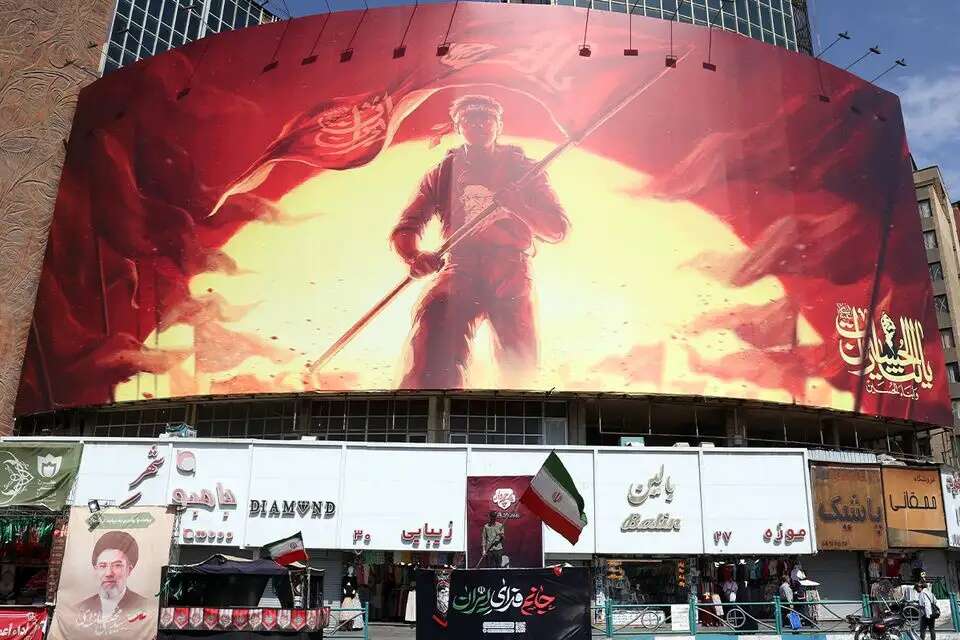
Nearly three years after senior Hamas official Saleh al-Arouri boasted in an interview with the Hezbollah-affiliated Al Mayadeen network in late August 2023 that Israel's actions would lead to an all-out regional war, the pro-Iranian axis once again finds itself at a crossroads.
Most of the terrorist organizations in the camp have survived, but they have changed their tactics, with some effectively turning the clock back decades.
Tensions among the axis' various components have also come to the surface, while what was once the flagship project of Iran's Islamic Republic has suffered a major setback. That does not mean the organizations have fully surrendered or abandoned their goal of destroying Israel. It does mean that Israel now faces a new reality in which the members of the axis are changing shape.
Hezbollah in Lebanon
Of all the terrorist organizations, Hezbollah appears to have suffered the heaviest blow. The elimination of its undisputed leader Hassan Nasrallah, the decimation of its command structure and the pager attack shook Lebanon's political system.
A pro-Western political leadership has since taken power. Lebanese President Joseph Aoun and Prime Minister Nawaf Salam are negotiating with Israel and openly declaring their intention to disarm Hezbollah.
Militarily, Israel has shattered Hezbollah's plan to invade the Galilee, damaged its missile arsenal and now controls a security zone in southern Lebanon pending the area's demilitarization.
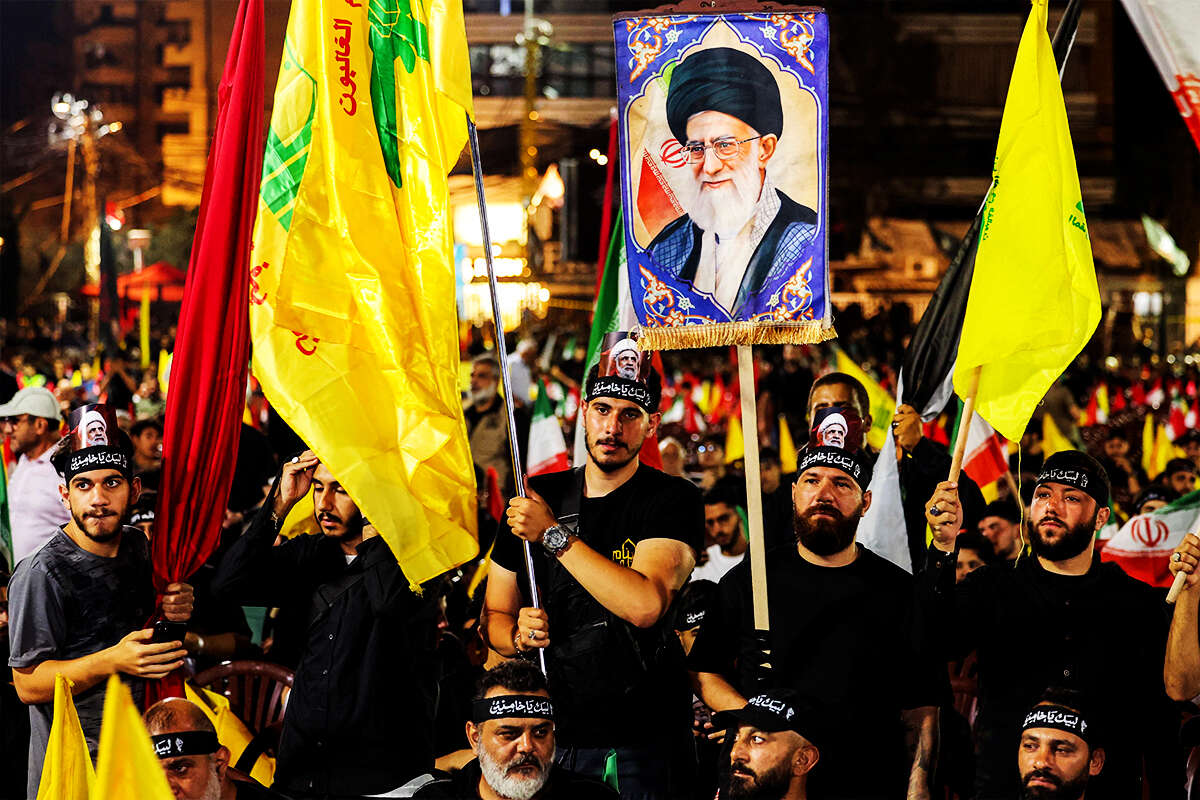
Hezbollah, however, remains adamantly opposed to disarming. Its representatives and allies in the government, parliament and judicial system continue to work in its interests. The Lebanese Armed Forces are not genuinely searching residents' homes as promised, while judges have imposed lenient penalties on rogue Hezbollah operatives.
The Shiite Amal movement, meanwhile, has refused to fall in line with the plan to place all weapons under state control and has issued warnings of civil war.
Moreover, Hezbollah frequently uses explosive-laden drones and operates under civilian cover in areas designated as pilot zones for an Israel Defense Forces withdrawal. The organization remains subordinate to Tehran and would most likely act against Israel again if war were to break out with Iran.
The Houthis in Yemen
Despite significant IDF achievements, including the elimination of most members of the Houthis' puppet government, among them the group's military chief, and the disabling of Sanaa International Airport, the organization has so far maintained its grip on power. Its military chief has been replaced, as have the ministers in its government.
Aircraft are landing on makeshift runways under the guise of humanitarian operations. The population itself is suffering from increasingly tight controls and efforts to indoctrinate schoolchildren with the ideology of Ansar Allah, as the Houthis are formally known. In any event, real power remains in the hands of Abdul-Malik al-Houthi, the leader of the Zaydi Shiite terrorist movement, who has emerged as one of the most prominent figures in Iran's regional axis.
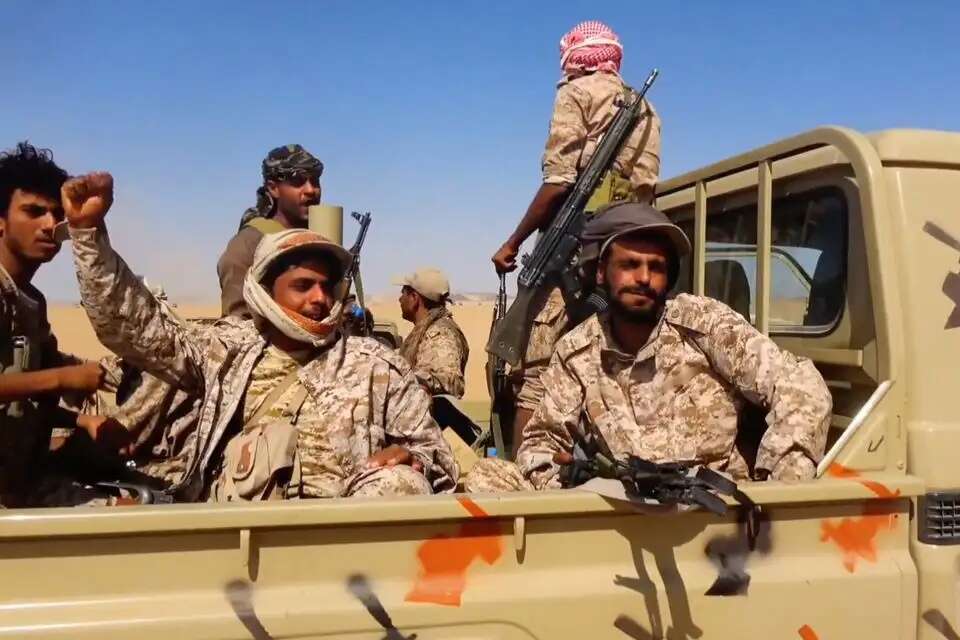
In recent weeks, the Houthis have projected growing confidence. Their spokesmen declared a naval blockade against Saudi Arabia, while their forces launched an offensive toward the strategic Red Sea port city of Mocha in western Yemen, seemingly in an attempt to replicate Iran's stranglehold over the Strait of Hormuz.
The advance has now produced a significant achievement. According to three sources in Yemen's internationally recognized government, the Houthis seized Mocha, giving the organization an important foothold as it pushes south toward the Bab al-Mandeb Strait, one of the world's most sensitive maritime chokepoints.
The militias in Iraq
Iran's terrorist proxies in Iraq have been hit by a series of strikes during the war. The US is currently offering rewards totaling tens of millions of dollars for information leading to their members.
No less significant is American pressure to disarm the militias and place their weapons under state control. The new government of Ali al-Zaidi, a former civil servant and economist with no previous political experience, says it intends to carry out the plan. Sept. 30 has been set as the key date for progress on the issue.
The Shiite militias, however, whose representatives al-Zaidi depends on in his parliamentary coalition, have shown little willingness to compromise. Just this week, Abu Alaa al-Walaei, secretary-general of the Shiite militia Kataib Sayyid al-Shuhada, made the group's position clear: "Regulating weapons in exchange for full and comprehensive sovereignty is an indivisible equation, and anything else is rejected."
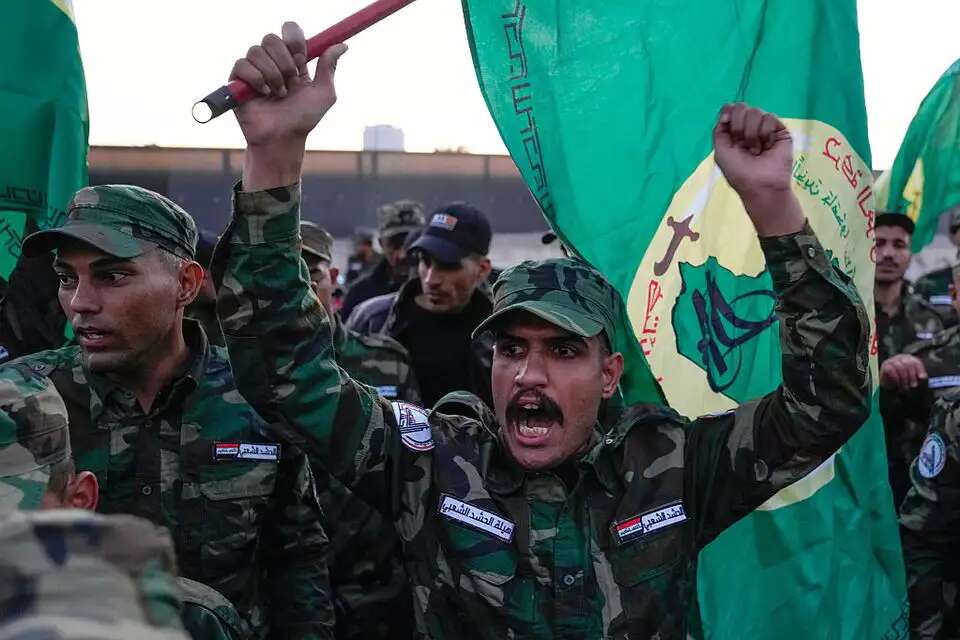
In other words, the militia opposes surrendering its weapons as long as US forces have not completely withdrawn. Even after they leave, there is no guarantee the group will honor its side of the equation.
Against the backdrop of escalating tensions in the Gulf, members of Iraq's parliament have recently warned against renewed militia intervention in a confrontation between the US and Iran. Such a development would pose a severe test for the government in Baghdad as it tries to enforce its decisions against organizations whose true loyalty lies with the leaders of Iran's Islamic Revolutionary Guard Corps in Tehran.
Iraqi parliament member Yasser Watout told the London-based Al-Araby Al-Jadeed newspaper that "Iraq's interest is in maintaining neutrality in regional conflicts and preventing an exchange of blows on Iraqi territory."
The cells in Syria
Although the Shiite militias withdrew to Iraq following the fall of Bashar Assad's regime in late 2024, cells, terrorists and intelligence operatives loyal to Iran continue to operate in Syria.
Lebanese authorities recently arrested five operatives, three Syrians and two Lebanese, who were allegedly planning attacks in Syria. The cell was suspected of plotting attacks against forces of Syrian President Ahmed al-Sharaa's government in the country's coastal region. According to Lebanese sources, its members received military training in eastern Lebanon from Hezbollah.
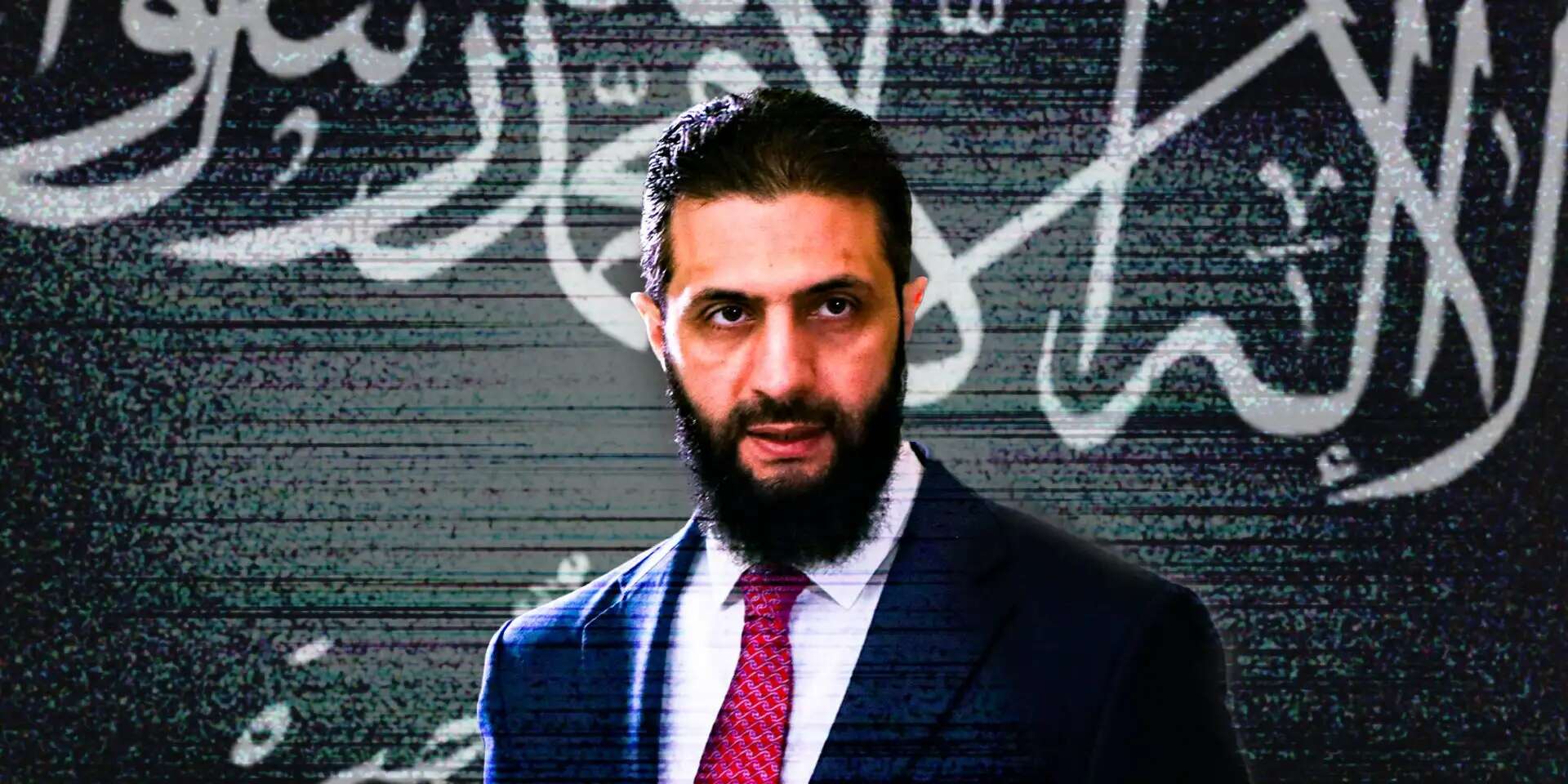
One of those arrested was a former colonel in Assad's military, while the cell was allegedly directed remotely by another former regime officer now living in Moscow.
In other words, the Islamic Revolutionary Guard Corps has lost its foothold in Syria to al-Sharaa's Islamist government, but it is continually working to generate chaos that could eventually allow it to reestablish itself.
Terrorist organizations in Gaza
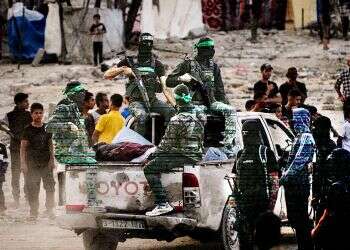
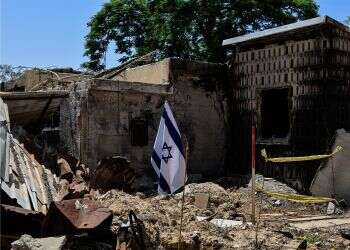
Hamas' decision to launch the Oct. 7, 2023 attack without coordination created tensions with the Iranian axis. That resentment has now found expression in remarks by a senior Palestinian Islamic Jihad official, whose organization is considered more closely aligned with Tehran.
Walid al-Qatati, a member of Islamic Jihad's political bureau responsible for the Gaza arena, sharply criticized Hamas' decision. His criticism, of course, was not directed at the morality of the attack, but, as usual, at its strategic consequences.
In an analysis by Dr. Michael Barak of Reichman University's International Institute for Counter-Terrorism, al-Qatati was quoted as describing Hamas' decision as an "ill-considered adventure."
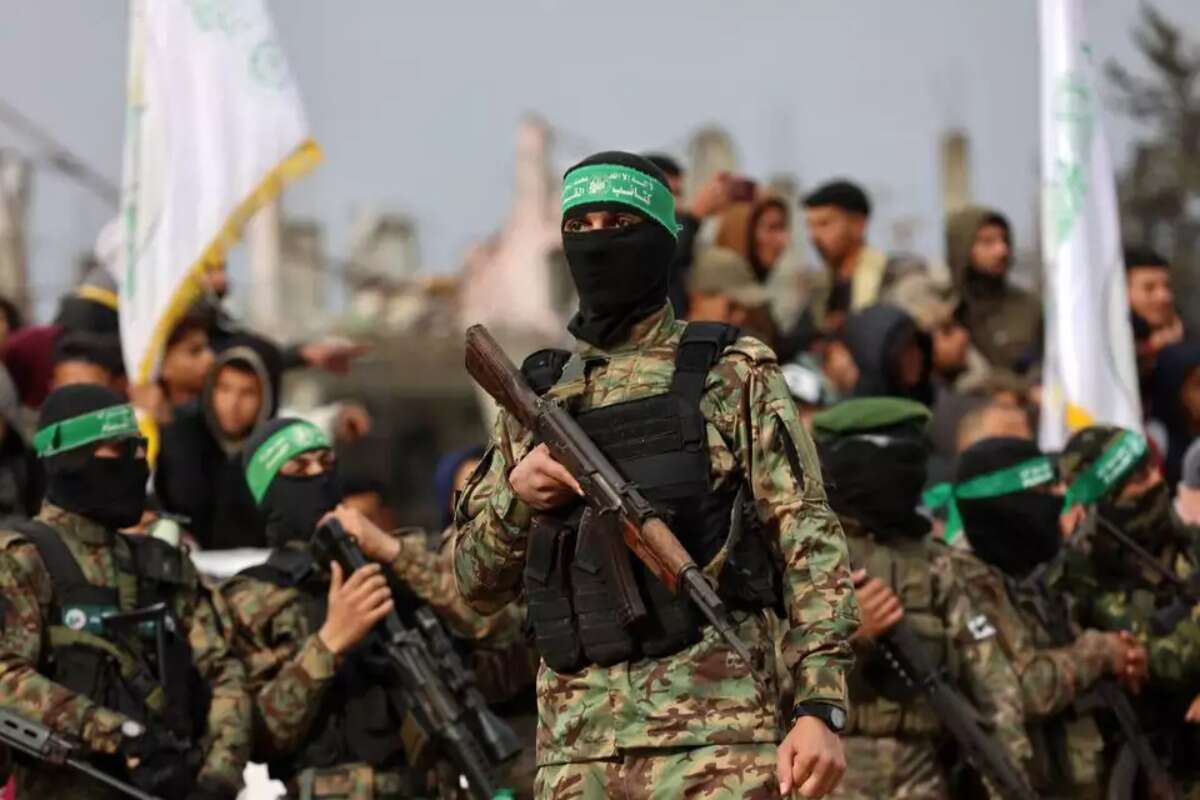
According to al-Qatati, the decision to go to war was taken by a small circle at the top of Hamas, without involving other organizations, and constituted a "grave strategic failure." He argued that the attack's "initial success" quickly evaporated and was eclipsed by the strategic failure that brought devastation upon Gaza. Hamas, he said, had failed to anticipate the scale of Israel's response to the Oct. 7 massacre.
The Islamic Jihad official, by contrast, portrays his own organization as supposedly having cared for the welfare of Gaza's population and having advocated "managing the conflict prudently." He ignores, however, the fact that Islamic Jihad participated in the Oct. 7 massacre, took part in the war and helped hold hostages.
More than anything, the criticism exposes the tensions between the organizations and Islamic Jihad's aspiration to one day replace Hamas. Hamas' weakening has indeed placed the other organizations in a stronger position.