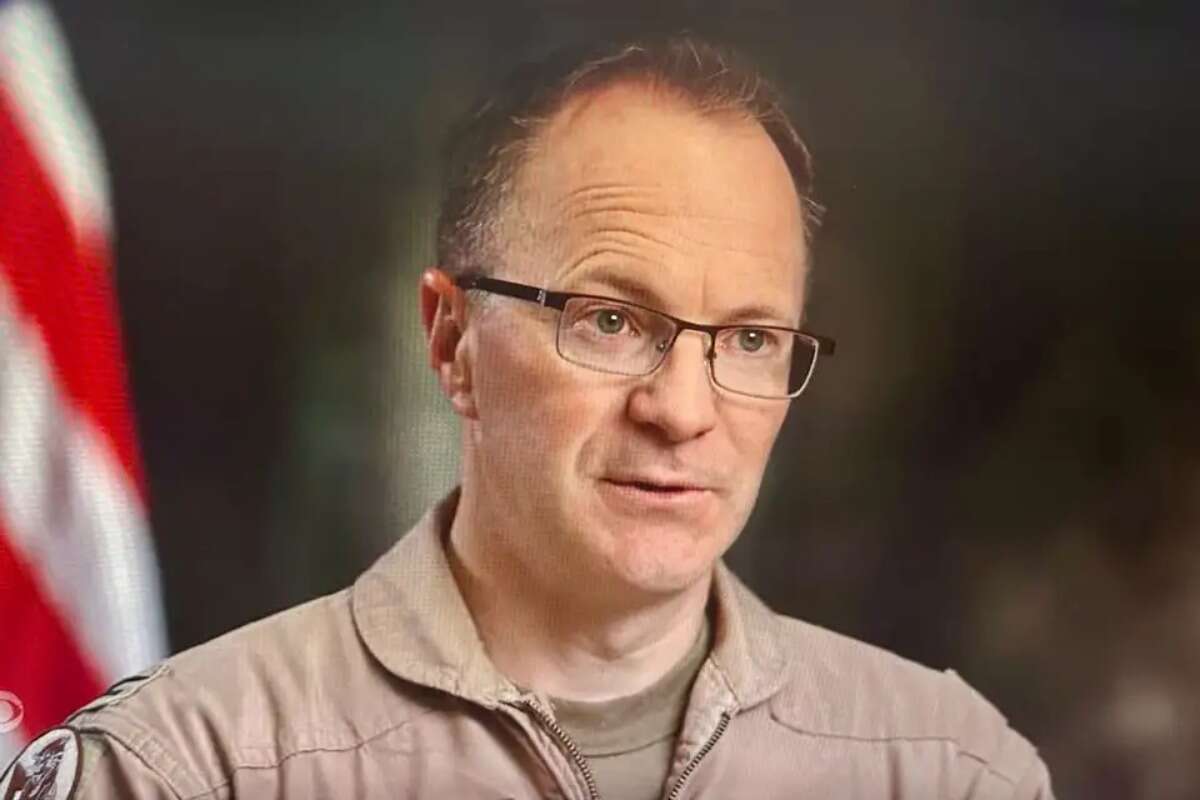
Months into the US-Israeli war with Iran, a US Air Force colonel known only by the call sign "Bravo" has recounted the harrowing details of surviving after Iranian fire brought down his F-15E fighter jet in April, CBS News reported.
Bravo served as the weapon-systems officer of a two-man crew whose aircraft was struck by an Iranian shoulder-fired missile, sending him plummeting toward the ground at an estimated 70 to 100 miles per hour.
Speaking with Norah O'Donnell for "60 Minutes," Bravo recalled the moment his damaged parachute failed to deploy properly. "At one point when I looked up and saw no parachute, that was the most terrifying thing I've ever seen," Bravo said. "So I paused, right then, and I prayed, 'Lord, your will be done. But if I'm getting through this, I need help.'"
The mission, given the call sign "Dude 44," targeted Iranian industrial facilities linked to the country's drone and missile programs, US Central Command commander Adm. Brad Cooper told O'Donnell.
Bravo likened the moment of impact to "getting hit by a freight train." He and his crewmate, call sign "Alpha," ejected after it became clear the jet could not be saved. Alpha landed safely, but Bravo came down hard roughly five miles away, and both men ended up on the ground in Isfahan, Iran.
Despite a broken back, arm and shoulder from the landing, Bravo pushed forward. "I had injuries, but we all train to adapt and overcome the things that we're faced with," he said. "I moved as quickly as I could, despite the injuries, away from the place that I landed."
He hiked to a ridgeline roughly 7,000 feet up, an effort he called a "modern-day miracle," before finding himself boxed in by cliffs in a narrow valley. CBS News, citing military sources, reported that Iranian forces came within a few hundred meters of his position.
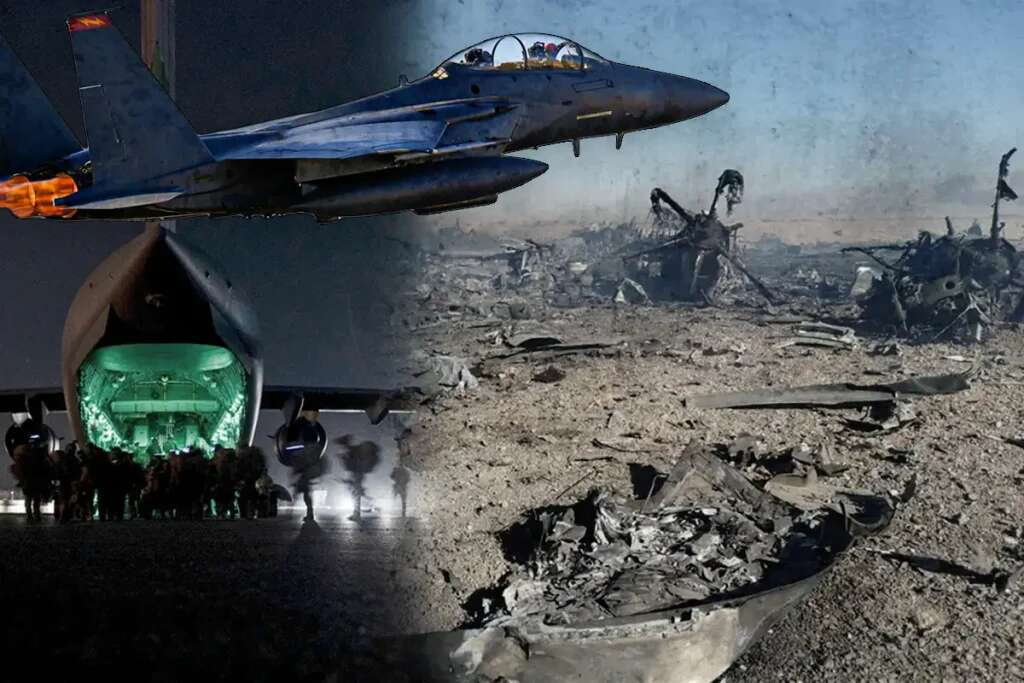
Six hours after the shootdown, a US rescue team reached Alpha, while Bravo was able to relay that he was hurt but capable of moving. Defense Secretary Pete Hegseth told O'Donnell that deciding how to proceed was a "really tough decision," particularly after the rescue helicopter sent for Bravo took fire from Iranian forces. Hegseth ultimately determined Bravo would be extracted within another 24 hours.
Nearly a full day passed with little water or food in the harsh terrain before two rescue planes finally reached him. But then sand clogged the aircraft's landing gear, stranding more than 90 troops, described by Cooper as among the military's "most elite service members," stranded on Iranian soil.
To keep the aircraft out of Iranian hands, the service members destroyed them before additional US forces arrived to bring them home.
"It's a story of the teamwork, the training, of the faith, of the decisions and the leadership to do something that will live in history as an example of what America's willing to do, in order to uphold our promise and leave no man behind," Bravo told O'Donnell.
The war between the US and Iran has now stretched into its seventh month, with the two sides continuing to exchange fire in recent weeks. According to The Hill, President Donald Trump has said the war will conclude after the midterm elections and floated the idea of the US taking over Iran's oil supply, much as it has with Venezuela, as the closure of the Strait of Hormuz has driven gas prices sharply higher since March.