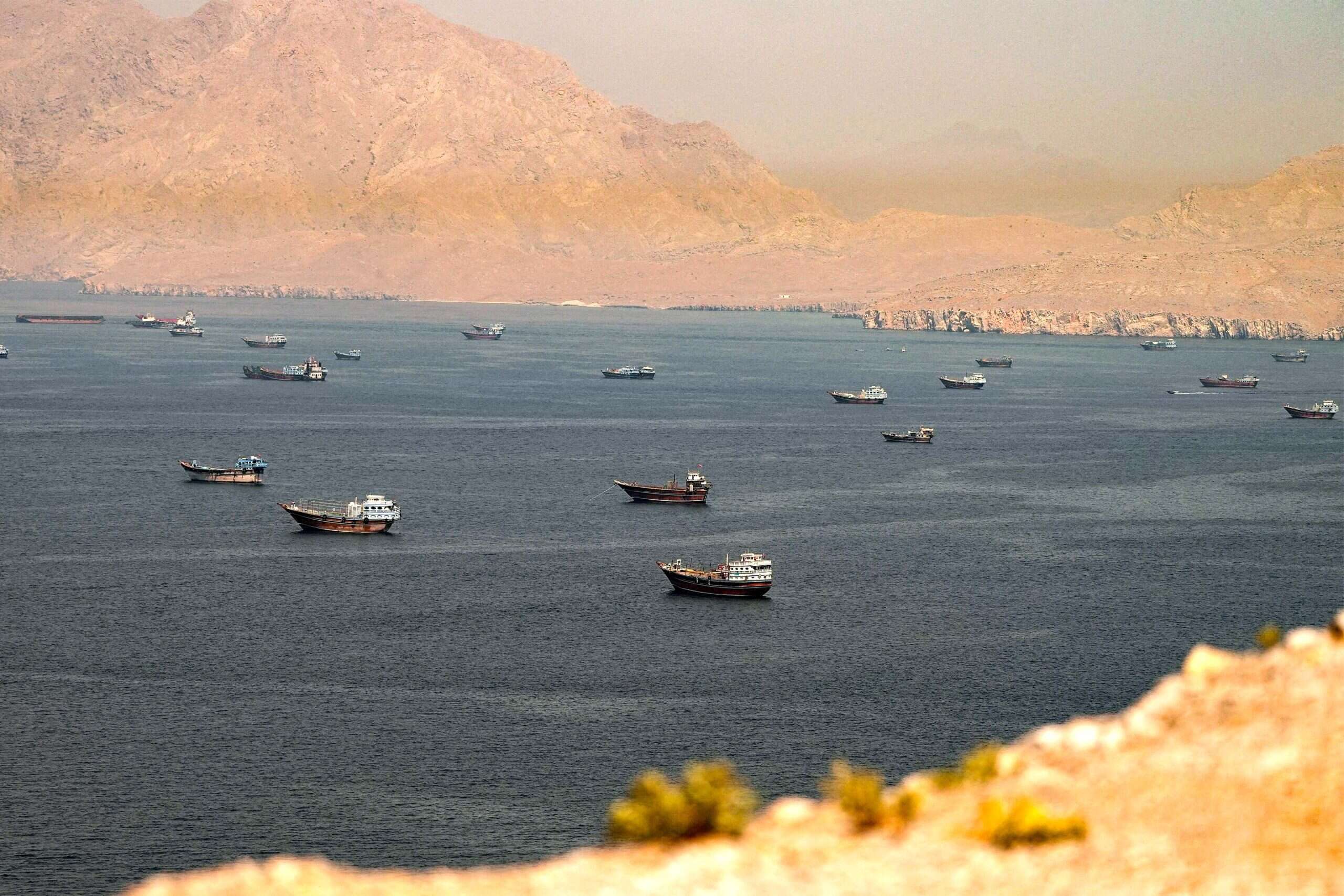
The United States and Saudi Arabia intend to expand the southern shipping route through the Strait of Hormuz to overcome the Houthis' closure of the Bab al-Mandeb Strait. According to diplomatic sources in the Gulf, this was one of the understandings reached at a meeting between US Central Command chief Adm. Brad Cooper and Saudi Crown Prince Mohammed bin Salman.
The southern route through Hormuz is operating at reduced capacity compared with the period before the war, but the US Navy has managed to facilitate the passage of an average of 10 tankers a day, about half the number that passed through before the war. At President Donald Trump's direction, the Americans are determined to prevent a more significant rise in oil prices and are expected to use military force against Iranian strike capabilities in the Strait of Hormuz if necessary.
The Americans are also providing various forms of assistance to Saudi Arabia and Yemen's internationally recognized government in their fight against the Houthi rebels, who in recent days have captured coastline and islands overlooking the Bab al-Mandeb Strait. The Houthi activity has direct implications for global oil prices, which have climbed over the past 24 hours amid the effective closure of Bab al-Mandeb.
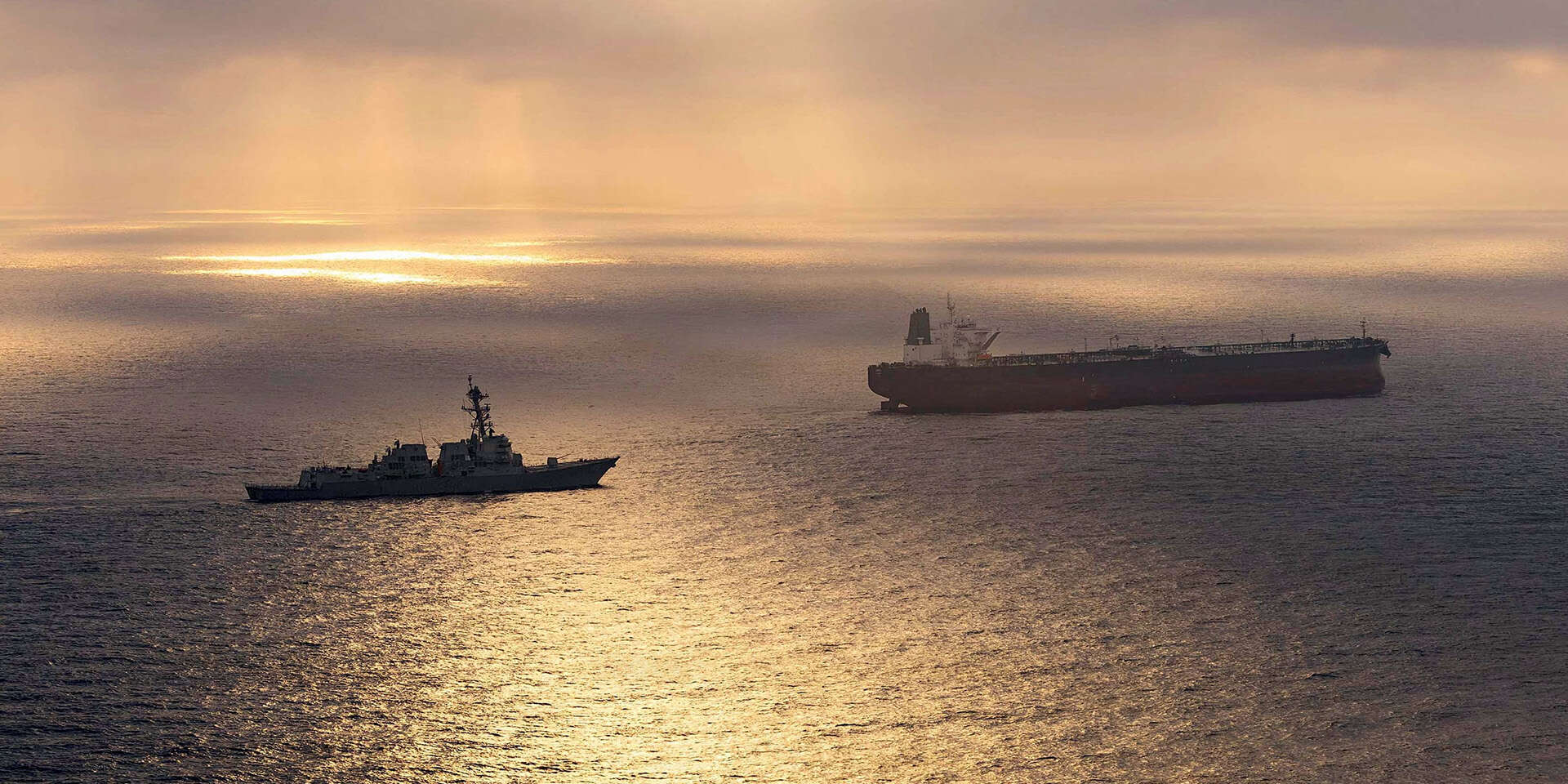
In recent weeks, the Saudis have refrained from sending tankers through the strait for fear they would be attacked. They have also stopped moving oil from wells and refineries on the eastern coast to the western port of Yanbu following attacks on the East-West oil pipeline. Tankers had sailed eastward from Yanbu along the alternative route through Bab al-Mandeb, but that route has now effectively been blocked.
The Americans are seeking to mobilize the regional coalition coordinated through CENTCOM's joint operations center to assist the Saudis, at this stage with intelligence and other capabilities. However, if Houthi attacks on Saudi territory intensify, a broader Gulf force could help the Saudis launch a direct offensive against Houthi forces.
Following Israel Hayom's report Monday that Saudi Crown Prince Mohammed bin Salman had indirectly approached Israel seeking assistance, the report caused no surprise in Israel. Despite the lack of diplomatic relations between the two countries, they maintain intelligence, commercial and security ties, most of them indirect. The message conveyed through CENTCOM included both a specific request for a certain type of intelligence and a willingness to receive concrete assistance if necessary in order to defeat the Houthis.
A senior Israeli security official said intelligence and visual material from all countries participating in the CENTCOM joint operations center, including Israel, is distributed to all the partners, including Saudi Arabia. The official said broader Israeli involvement was not expected at this stage unless the United States decided to launch a large-scale offensive against the Houthis. In that event, and following a US request, Israel could assist in striking the Iranian proxy in Yemen.
The Bab al-Mandeb Strait lies on the shipping route leading into the Red Sea and from there to the Suez Canal and the Gulf of Eilat. The Port of Eilat has been almost completely paralyzed by Houthi attacks on ships and tankers bound for Israel. The Houthis have disrupted shipping through the strait since November 2023, saying they were acting in solidarity with the Palestinians amid the war in Gaza.

The United States, together with Israel and an international coalition, attacked the Houthis from the air and with missiles for an extended period. In a surprising development in May 2025, however, Washington reached a separate agreement with the Houthis that halted attacks between the two sides and enabled commercial shipping to resume, while vessels and tankers linked to Israel remained under Houthi threat. In August 2025, Israel struck Yemen, killing the prime minister of the Houthi-run government and numerous senior political and military figures. Saudi Arabia would be eager to make use of Israeli capabilities of this kind in its fight against the Houthis.
Meanwhile, the US administration is expanding economic sanctions and other measures against Iran. Treasury Secretary Scott Bessent said that as part of Operation Economic Outcast, he was issuing a new call for whistleblowers to provide information about those helping finance Iranian terrorism. Addressing anyone around the world with information about those financial lifelines, Bessent said: "This is your chance. If you have actionable information for Treasury, you may be eligible for an award, no matter where you live or who signs your paycheck. If you see something, say something."
The Treasury Department unit responsible for sanctions has in recent days exposed several US-based individuals, many of Iranian origin, who helped Iran circumvent sanctions. One agreed to pay nearly $1.5 million to the Treasury to resolve alleged sanctions violations. US authorities have also detailed methods used by Iran's Islamic Revolutionary Guard Corps to move and launder money through networks of front and shell companies.