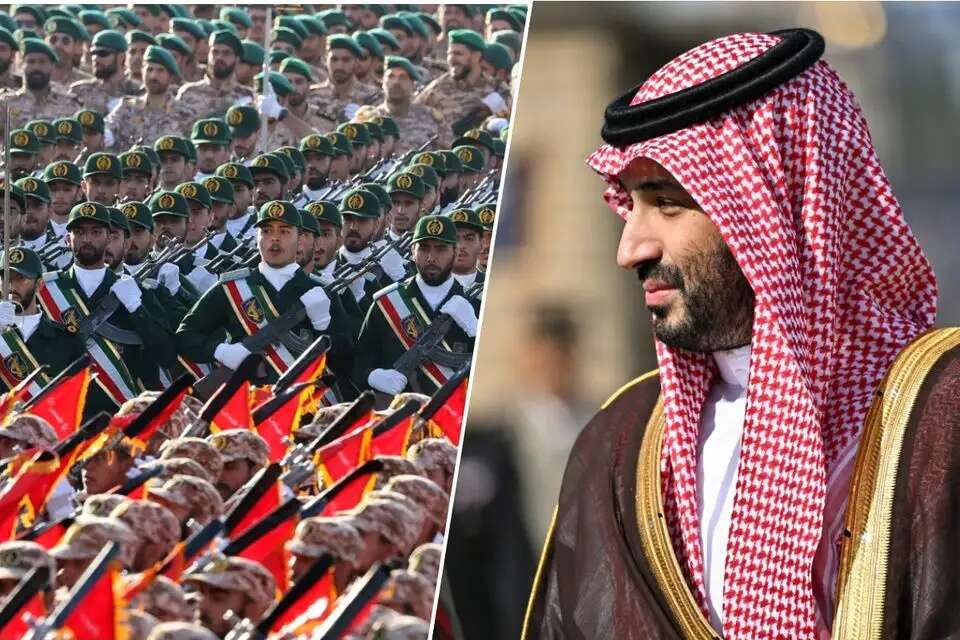
Saudi Arabia's appeal to China and Oman to mediate a ceasefire with the Houthis amounts to something close to a surrender by the Arab world's wealthiest and most influential state to Iran's determined proxy militia in Yemen.
The move stems primarily from the fact that none of the countries Riyadh considers allies has come to its aid. Neither Pakistan nor Turkey, which only recently signed an understanding with the kingdom, nor Egypt, which is also suffering from Houthi actions, and above all, not the US.

As far as is known, US President Donald Trump rejected Saudi Crown Prince Mohammed bin Salman's urgent appeals for direct military intervention. Saudi Arabia's approach to Israel through US Central Command, first reported by Israel Hayom on Monday, was another indication of bin Salman's growing desperation. Israel, however, is not expected to join direct combat against the Houthis and will limit its assistance to intelligence and defensive support, including information on launches.
The Saudis also fear a Houthi ground incursion into the kingdom, an "Oct. 7 scenario" that could have dramatic consequences for bin Salman's standing. At the same time, Saudi oil exports have fallen to unprecedented lows, costing the kingdom billions of dollars in lost revenue.
Iran, which initiated the Houthi campaign in an effort to drive up oil prices and hurt Trump ahead of the US midterm elections, also stands to benefit from the humiliation of Saudi Arabia, the leading Arab state. The message Tehran is seeking to send is clear: "We are still here, and we are not going away anytime soon."