Saturday Sep 19, 2026
NEWSLETTER
www.israelhayom.com
  • Home
  • News
    • Israel
    • Israel at War
    • Middle East
    • United States
  • Opinions
  • Jewish World
    • Archaeology
    • Antisemitism
  • Lifestyle
    • Food
    • Travel
    • Fashion
    • Culture
  • Magazine
    • Feature
    • Analysis
    • Explainer
  • In Memoriam
www.israelhayom.com
  • Home
  • News
    • Israel
    • Israel at War
    • Middle East
    • United States
  • Opinions
  • Jewish World
    • Archaeology
    • Antisemitism
  • Lifestyle
    • Food
    • Travel
    • Fashion
    • Culture
  • Magazine
    • Feature
    • Analysis
    • Explainer
  • In Memoriam
www.israelhayom.com
Home News Middle East

Iran blocking Houthis from reaching ceasefire with Saudi Arabia

Tehran is dictating mediation efforts between the Houthis and Saudi Arabia and seeks to prolong the blockade of Bab el-Mandeb, Israel Hayom has learned. Riyadh is increasingly concerned about a possible ground invasion from the south, while the US, Egypt, Pakistan and Turkey have so far refrained from providing practical assistance.

by  Danny Zaken
Published on  09-19-2026 23:12
Last modified: 09-19-2026 23:12
Houthis seize control of Bab al-Mandab Strait

Houthis seize control of Bab al-Mandab Strait. Photo: EPA, Reuters

Share on FacebookShare on Twitter

Iran is pressuring the Houthis not to reach a ceasefire agreement with Saudi Arabia, or even enter talks on reopening the Bab el-Mandeb Strait, a Gulf diplomatic source told Israel Hayom on Saturday evening. The source added that Saudi approaches to the Houthis through China and Oman seeking a ceasefire had gone unanswered because of Iranian pressure on the Houthi leadership.

Iran's position is that the blockade of the Bab el-Mandeb Strait should be prolonged in order to keep oil prices rising and thereby hurt US President Donald Trump's chances of maintaining a Republican majority in Congress in the midterm elections, which are a month and a half away.

Iran is also encouraging the Houthis to continue attacking Saudi Arabia itself, including Saturday's strike on King Khalid International Airport in Riyadh, the Saudi capital. An attack on the capital carries major symbolic significance, posing a direct challenge to the kingdom and to a country widely regarded as a leader of the Arab world. Such an attack would not have taken place without Iranian direction and approval, according to the assessment presented to Israel Hayom.

Last week, a senior Saudi official told Israel Hayom that the Houthi offensive that brought the group military control over Bab el-Mandeb meant Iran was at war with Saudi Arabia, even though no war had been formally declared.
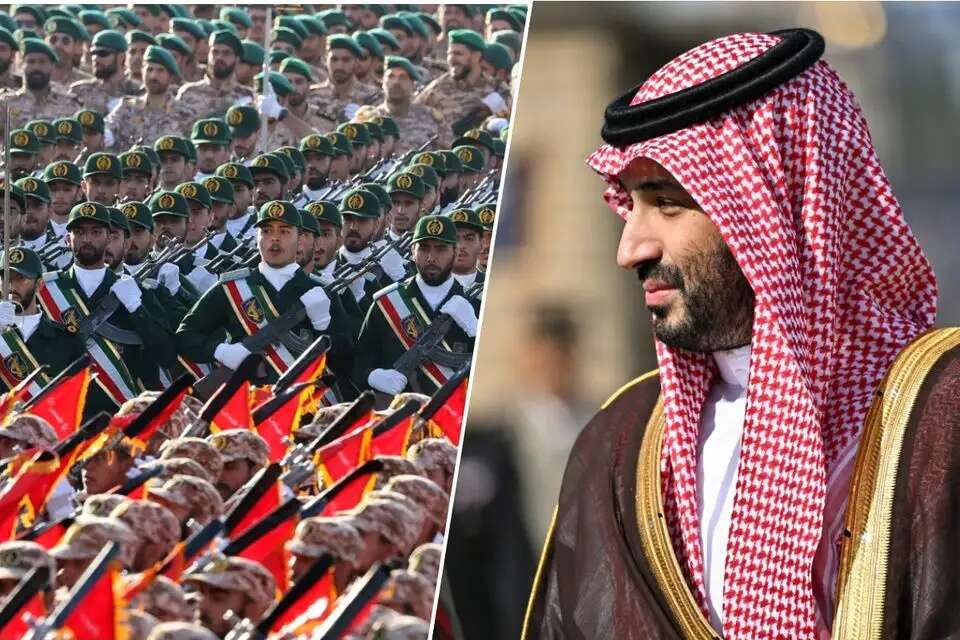
Bin Salman, Islamic Revolutionary Guard Corps | Photo: EPA, Reuters

A historic "liberation"

The Saudis are concerned that the Houthis could launch a ground invasion of Saudi Arabia.

Houthi figures have begun invoking Saudi Arabia's seizure of large areas along its southern frontier following the 1934 Saudi-Yemeni war. The status of the border remained disputed for decades until the two countries signed a treaty in 2000 formally settling their boundary.

For the Houthis, the Saudi provinces of Asir, Jizan and Najran are "occupied Yemeni territories" taken by force by the House of Saud. In official statements, they have at times portrayed their fighting against Saudi Arabia not merely as defensive but as part of a historic "liberation" of those territories.
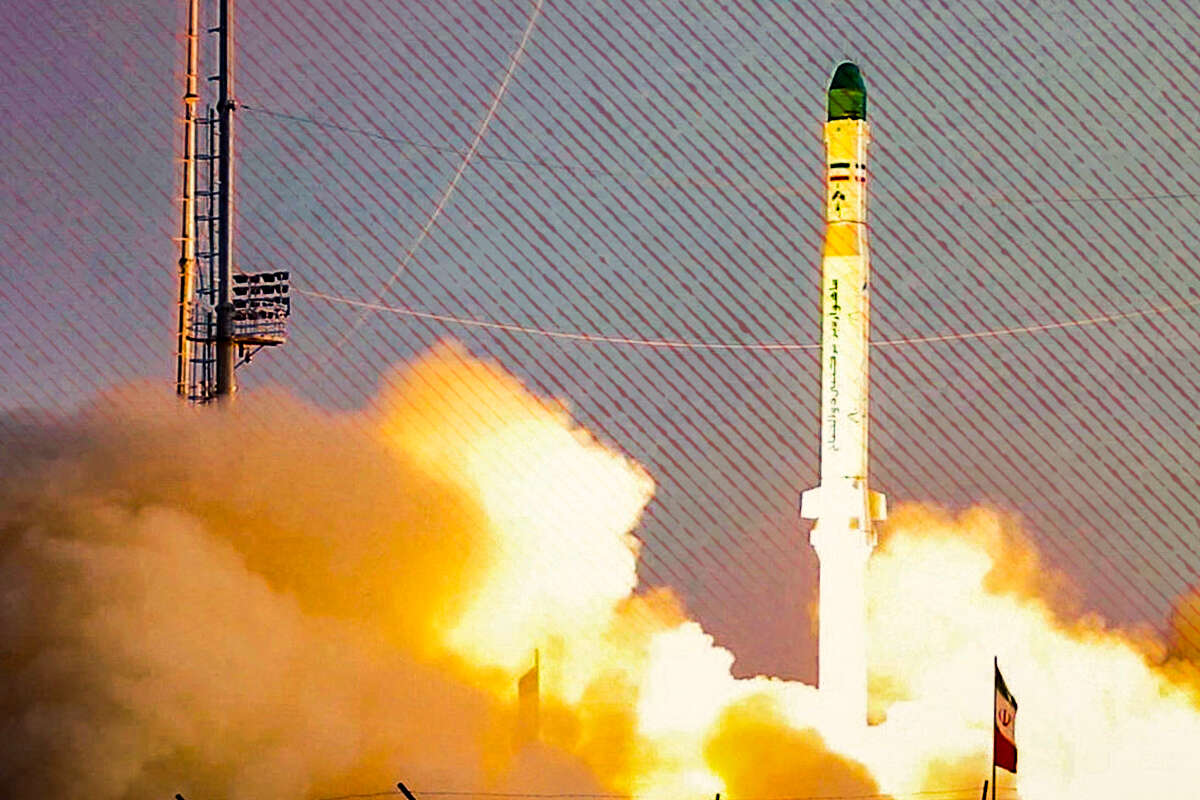
The Houthis. Photo: AFP

Meanwhile, Pakistan and Turkey continue to issue statements of support for Saudi Arabia without providing practical assistance of the kind envisaged under the defense agreement the three countries signed about a month ago.

At the same time, appeals by Saudi Crown Prince Mohammed bin Salman to the US and Egypt for assistance have produced no tangible results, even though both countries are being affected by the Houthi attacks.

Egypt hopes the Houthis will refrain from targeting vessels traveling to or from the Suez Canal as long as they have no connection to Saudi Arabia, and Cairo is therefore in no rush to intervene. According to reports in Arab media, the Americans have also received a form of assurance from the Houthis that their agreement with Washington will remain in force, except where Saudi tankers are concerned.

Blocking Saudi tankers, however, directly harms Trump and the Republicans by putting upward pressure on oil prices. The White House and State Department are holding daily consultations over US policy toward the crisis in Yemen and Saudi Arabia's predicament.

As Israel Hayom first reported, Saudi Arabia approached Israel through US Central Command seeking intelligence assistance. Israel responded at least partially to the request, but without a broader regional initiative led by the United States, Israel will not become physically involved in the war.

Tags: HouthisIranSaudi Arabia

Related Posts

Saudi fears of an 'Oct. 7 scenario' drove kingdom to desperate move

Saudi fears of an 'Oct. 7 scenario' drove kingdom to desperate move

by Danny Zaken

Saudi Arabia turned to Oman and China in a bid to secure a ceasefire after realizing that key allies Turkey...

Saudi Arabia builds a new power bloc with Turkey and Pakistan

Saudi Arabia running short of interceptors, seeks allies' help

by ILH Staff

The kingdom faces Houthi attacks on infrastructure and shipping routes. The US, its main ally and weapons supplier, is also...

Houthis claim downing of Saudi F-15, release video of burning wreckage

Houthis claim downing of Saudi F-15, release video of burning wreckage

by ILH Staff

Operatives of the Yemen-based terrorist organization are seen posing over charred debris bearing a Saudi flag, but the claim has...

Menu

Analysis 

Archaeology

Blogpost

Business & Finance

Culture

Exclusive

Explainer

Environment


Features

Health

In Brief

Jewish World

Judea and Samaria

Lifestyle

Cyber & Internet

Sports


Diplomacy 

Iran & The Gulf

Gaza Strip

Politics

Shopping

Terms of use

Privacy Policy

Submissions

Contact Us

About Us

The first issue of Israel Hayom appeared on July 30, 2007. Israel Hayom was founded on the belief that the Israeli public deserves better, more balanced and more accurate journalism. Journalism that speaks, not shouts. Journalism of a different kind. And free of charge.

All rights reserved to Israel Hayom

Hosted by sPD.co.il

  • Home
  • News
    • Israel at War
    • Israel
    • United States
    • Middle East
    • Sports
  • Opinions
  • Jewish World
    • Archaeology
    • Antisemitism
  • Lifestyle
    • Food
    • Travel
    • Fashion
    • Culture
  • Magazine
    • Feature
    • Analysis
    • Explainer
    • Environment & Wildlife
    • Health & Wellness
  • In Memoriam
  • Subscribe to Newsletter
  • Submit your opinion
  • Terms and conditions

All rights reserved to Israel Hayom

Hosted by sPD.co.il

Newsletter

[contact-form-7 id=”508379″ html_id=”isrh_form_Newsletter_en” title=”newsletter_subscribe”]

  • Home
  • News
    • Israel at War
    • Israel
    • United States
    • Middle East
    • Sports
  • Opinions
  • Jewish World
    • Archaeology
    • Antisemitism
  • Lifestyle
    • Food
    • Travel
    • Fashion
    • Culture
  • Magazine
    • Feature
    • Analysis
    • Explainer
    • Environment & Wildlife
    • Health & Wellness
  • In Memoriam
  • Subscribe to Newsletter
  • Submit your opinion
  • Terms and conditions

All rights reserved to Israel Hayom

Hosted by sPD.co.il