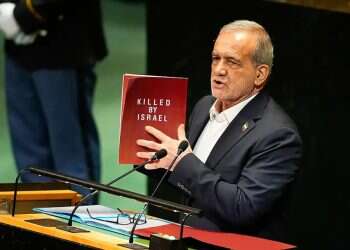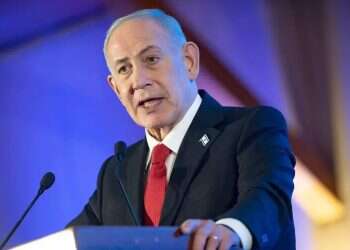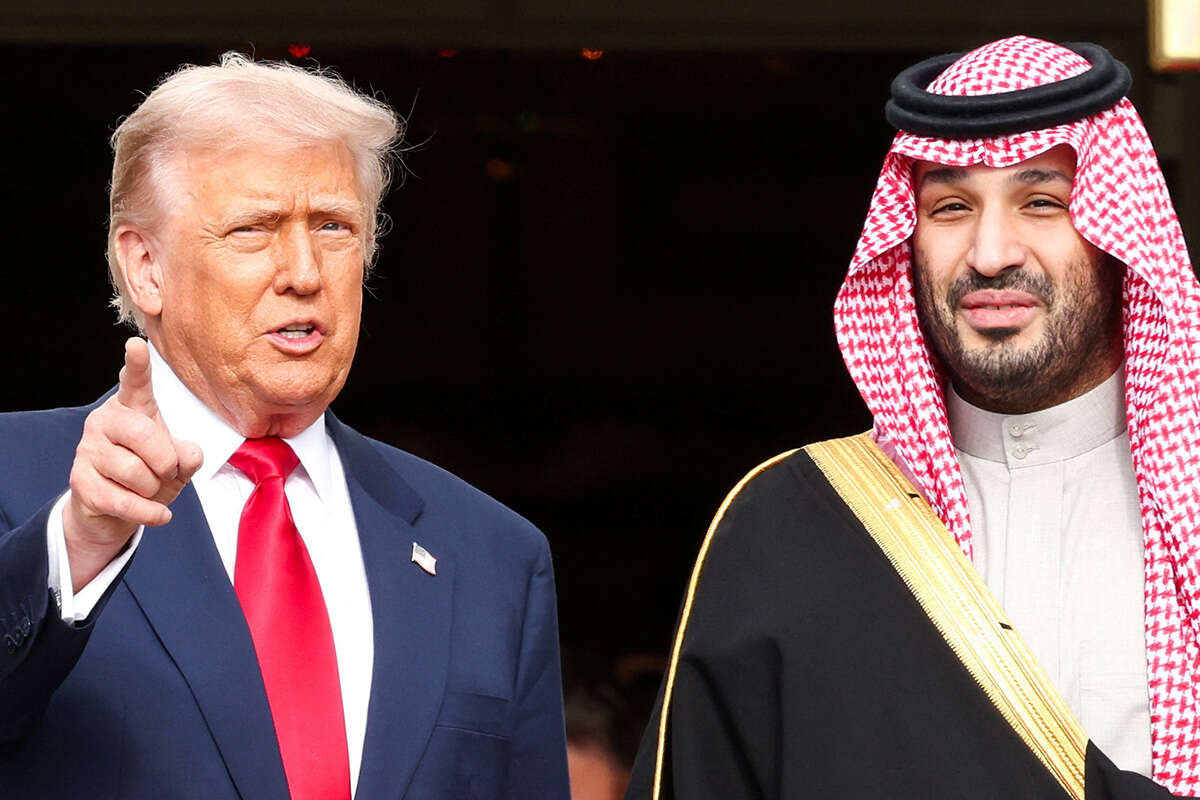
Barring any surprises, US President Donald Trump is expected to meet representatives of the six Gulf states on the sidelines of the UN General Assembly. The US-initiated meeting comes at a historic moment, with the future of the Middle East hanging in the balance. Above all, it represents an American attempt to create a new Middle East precisely through its longstanding, traditional partners.
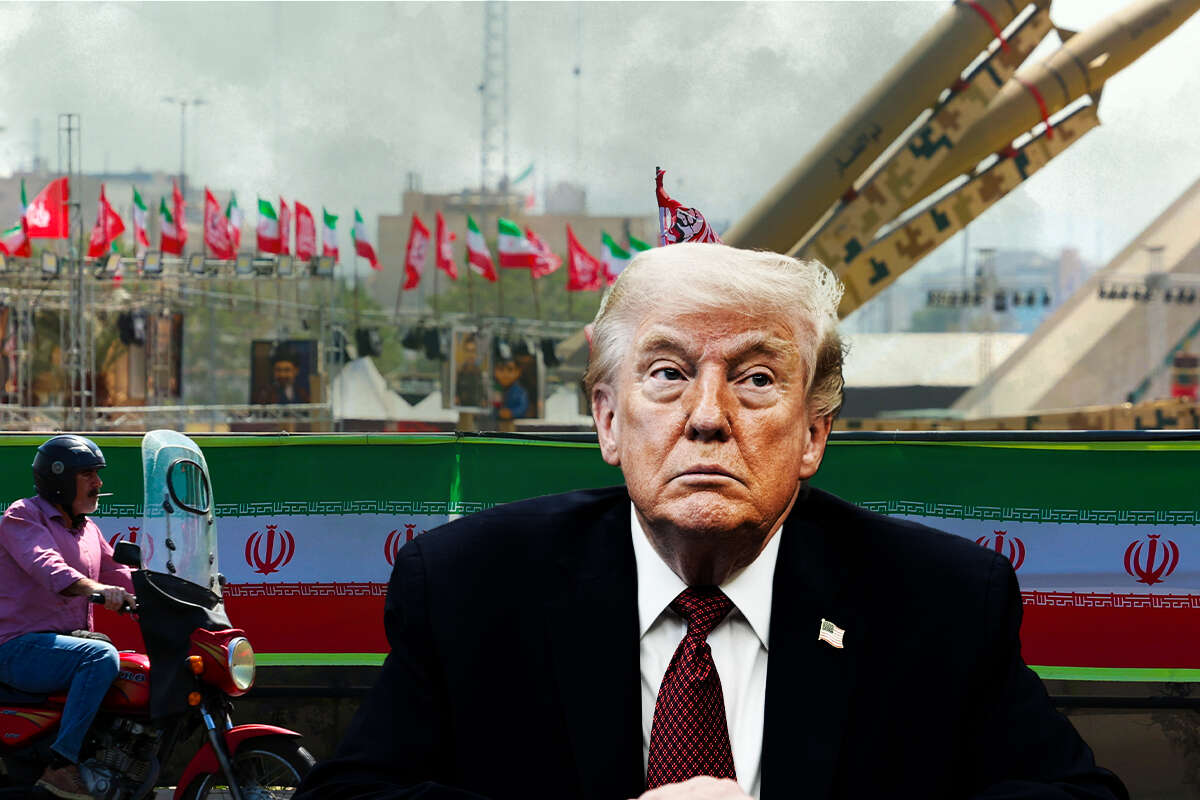
At the heart of the agenda is the question of what comes next in dealing with Iran. The US administration has struggled to force the radical regime in Tehran to soften its position on the Strait of Hormuz and its nuclear program. It is now seeking the counsel of regional states that have experienced Iranian aggression firsthand, as the choice between renewed military action and continuing the campaign of economic pressure becomes increasingly acute.
Trump wants the Gulf states to commit to supporting whatever course is ultimately chosen toward Iran, whether military, economic or diplomatic, and to ensure that responsibility for defending the region does not fall on the United States alone.
To that end, Trump is likely to demand that the Gulf states do more to guarantee freedom of navigation through the Strait of Hormuz and Bab el-Mandeb, two strategic waterways through which a significant share of global energy shipments passes.
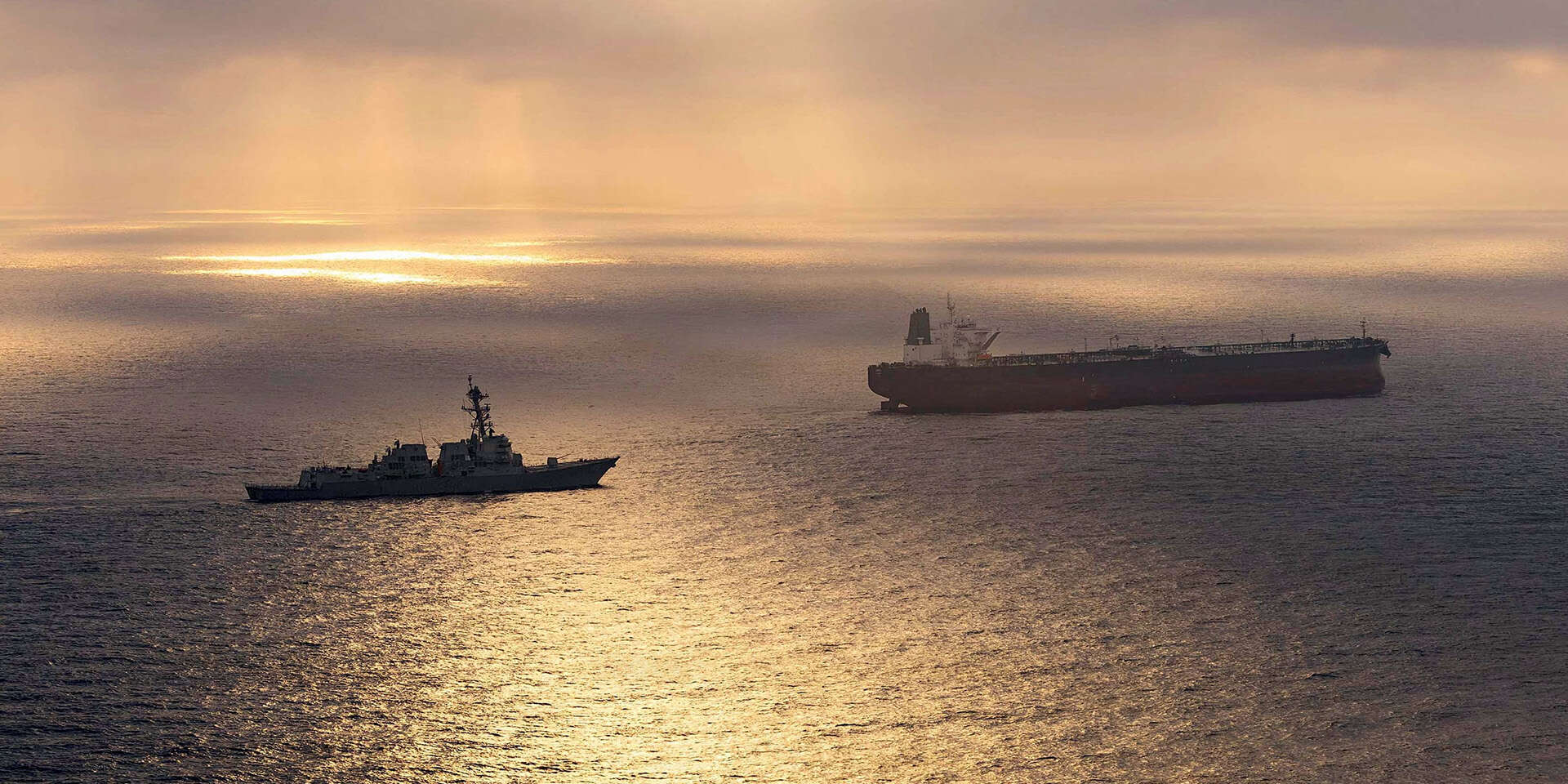
This is Trump's most pressing problem. He promised to bring down the cost of living in the United States, only to see gasoline prices surge by more than 50% since the war with Iran began. From his perspective, the president needs a rapid solution that can bring down energy costs for average Americans from Michigan to Texas, with the US midterm elections looming in November and serving, in effect, as an indirect referendum on Trump himself.
In Trump's view, the Gulf states, themselves major energy exporters, can help, whether by increasing supply or by taking a more active role in efforts to protect shipping lanes.
Seizing opportunities
But the Trump administration is looking to do more at this meeting than simply limit the damage. It also wants to seize opportunities.
Iranian aggression against the Gulf states, the Houthis' renewed attacks on Saudi Arabia and developments along Israel's northern border have increased the incentive to expand the Abraham Accords and establish a new regional order among pro-American states in the Middle East.
More specifically, the administration is seeking to determine whether Saudi Arabia is prepared to formalize its ties with Israel and whether the Gulf states can be enlisted to deepen their involvement in Lebanon and Syria as a counterweight to Iran.
Another possibility under consideration is the establishment of a regional defense framework against Iran and its proxies that could reduce the economic and military burden currently borne by the United States. The administration believes that achieving this will inevitably require deeper ties between Israel and the Gulf states.
In other words, Trump wants a picture of success that would allow him to lower energy prices, reduce US commitments in the Middle East and bring Israel and the Gulf states closer together.
Standing in the way of that vision is a loose grouping of countries that agree on the severity of the Iranian threat but disagree on almost everything else. It is a difficult starting point, but not necessarily a recipe for failure.
False displays of strength
The Gulf states' shared perception of the Iranian threat is stronger than it may appear. Each has tried a different approach toward Iran, yet all received essentially the same response: blatant aggression, indiscriminate attacks on civilians and damage to their economies.
The confrontation has made clear to them who the aggressor is and who their partners are in defending against it. In this emerging Middle East, Iran is the neighborhood bully, repeatedly firing at the Gulf states it regards as the weak link in the US defense architecture in the region.
Saudi-Israeli peace will not be announced this week. But the strategic circumstances are drawing Israel and the Gulf states considerably closer together.
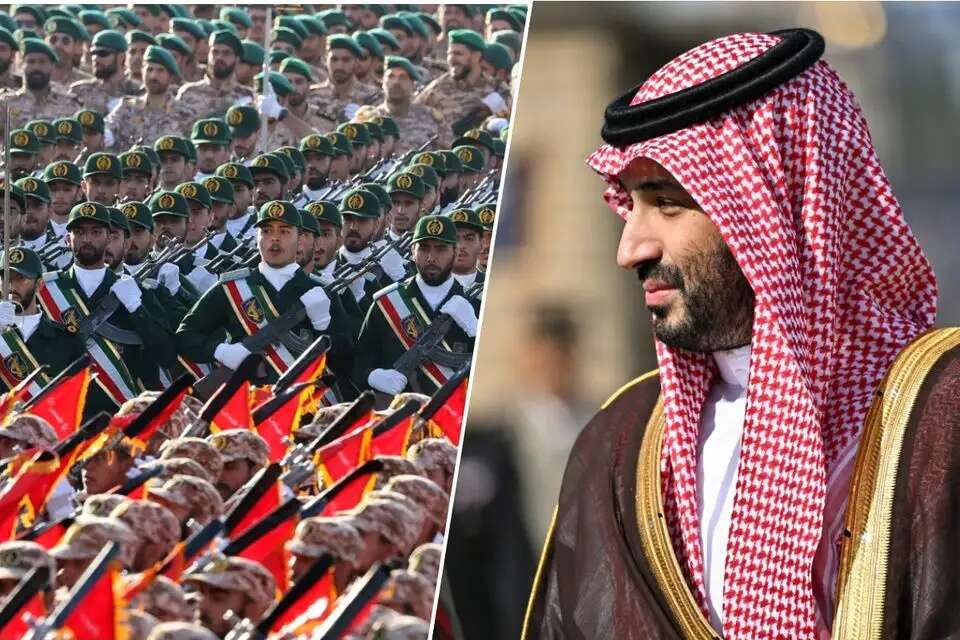
At the same time, the Iranian regime remains fragile and vulnerable to shocks, while its weakness at home and across the region is concealed behind displays of strength.
These are two potentially highly positive developments for the United States, Israel and the region as a whole. The United States will not build a new Middle East with a single meeting. But with strategic wisdom, a hunter's patience and a little luck, it could still reshape the region for decades to come.
For that to happen, the Gulf states will need to overcome their differences, remove the artificial barriers standing in the way of partnership with Israel and work together to crack the Iranian challenge.