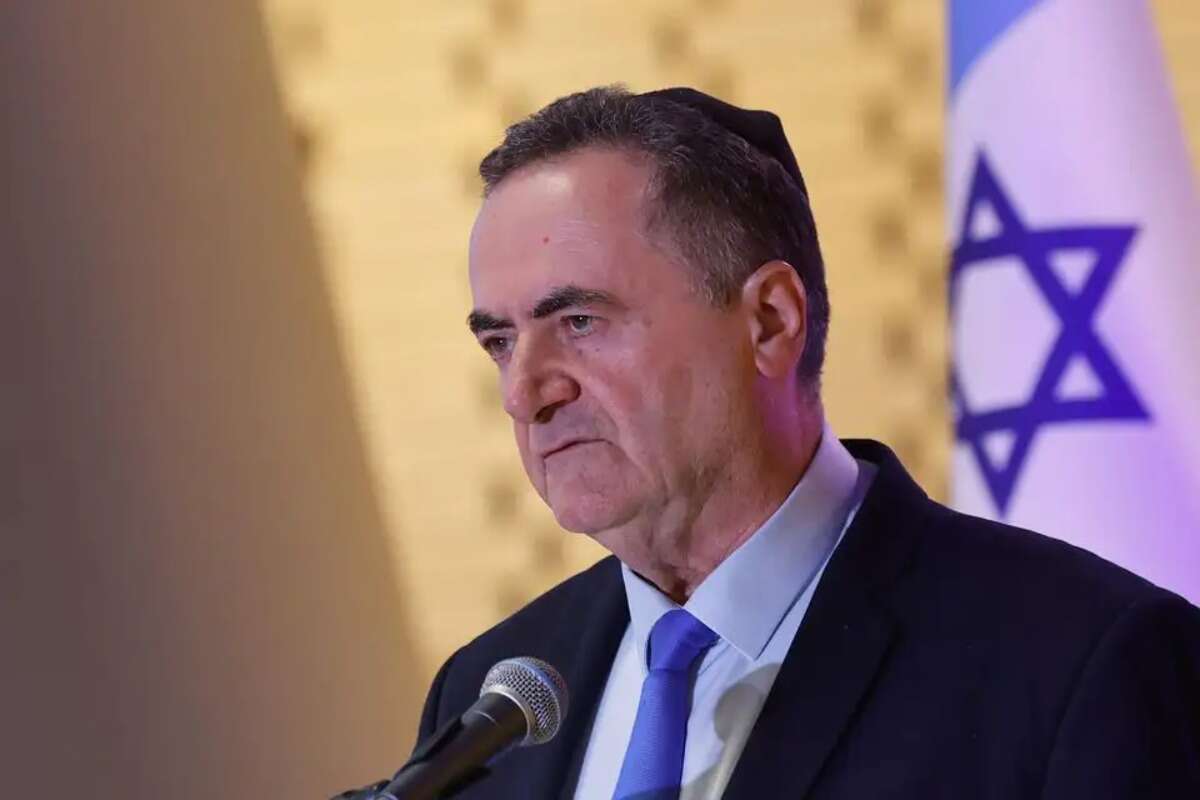
The state memorial ceremony for the fallen of the Yom Kippur War took place on Tuesday, marking 53 years since the conflict erupted, with President Isaac Herzog and Defense Minister Israel Katz delivered speeches featuring stern warnings.
The defense minister seized the opportunity to direct a notably menacing message at Israel's adversaries. "In light of various intentions and pieces of information, I warn from here the terror organization and its supporters – from Iran to [Turkish President Recep Tayyip] Erdogan," Katz began his remarks.

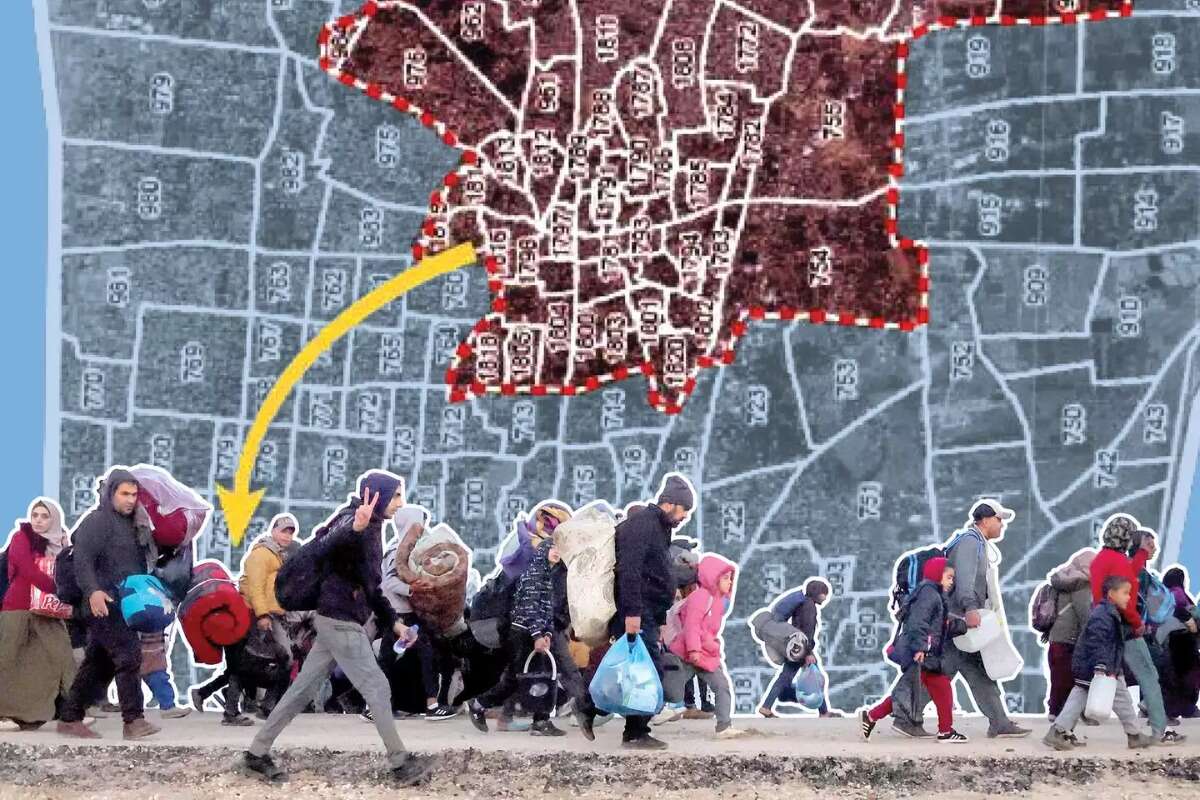
He subsequently established an unprecedented equation regarding potential hostage situations. "If one Israeli soldier or civilian is kidnapped – all of Gaza City, with its houses and terror towers, will be evacuated south of its million residents," the defense minister threatened explicitly.
In such a scenario, he noted, the city would face the exact same treatment inflicted upon Rafah (a city in southern Gaza), Beit Hanoun, and the vast majority of the Strip until the captive's safe return. "This is the language that the jihadist terror organizations in Gaza and Lebanon understand, and this is the language we speak: evacuating the population, destroying the infrastructures, and taking the territory," he emphasized.
Addressing the ongoing troop deployment, Katz made it clear that Israel had no intention of relinquishing its security grip on the Gaza Strip. "We will not retreat from the Yellow Line in Gaza to new deployment lines inside Gaza as long as Hamas is not eliminated and Gaza is not demilitarized of weapons and tunnels," he determined.
Implementing the lessons of October 7, the IDF now maintains a robust presence within powerful security buffer zones across Lebanon, Syria, and Gaza, the defense minister noted. He explained that these sectors have been entirely cleared of residents, allowing the military to establish operational outposts and systematically dismantle terror infrastructure both above and below ground.
Katz also shifted focus to the broader regional conflict and Israel's strategic victories. He highlighted the series of campaigns on Iran, which he said successfully eliminated Supreme Leader Ali Khamenei and dealt a heavy blow to the country's nuclear program. Recent reporting has suggested that it is still unclear how permanent the damage was to the nuclear installations and know-how. "The job is not yet done, and if we need to, we will strike a third time as well until the terror regime is toppled and removed," he declared.
President Isaac Herzog took a different tone, opening his address with heroic accounts of the fallen from Beit HaShita (a kibbutz in northern Israel) and the Illouz family. He bridged their historic sacrifice with the contemporary Israeli reality of profound loss and bereavement.
The president then pivoted to caution the public about Israel's fragile social fabric, particularly as the nation navigates a tense election season. "Today I warn again, I fear the division between us, and the price it might exact from us," Herzog said.
While vigorous debate remains a legitimate and vital component of any democracy, he emphasized, political disagreements must not fracture into an irreversible divide. "All of us, from across the political spectrum, must be careful. We are certainly allowed to disagree with one another, but we must not give up on one another," the president warned.
Concluding his address, Herzog urged citizens to maintain perspective amid the political fray and preserve national unity. "Remember – elections are not a civil war," he concluded, and reminded that only standing together and taking responsibility for a shared tomorrow will be worthy of the memory of the fallen.