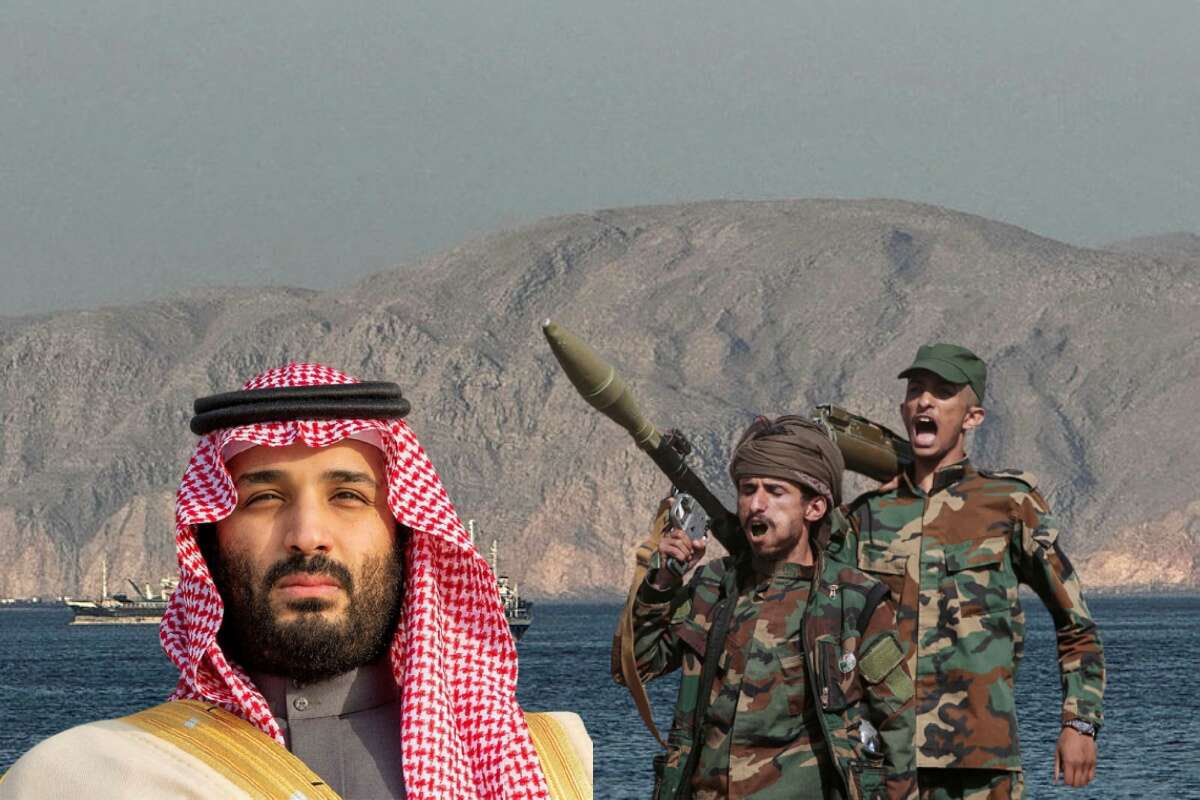
Gulf diplomatic sources said Monday that Saudi Arabia and Houthi representatives are moving closer to holding Oman-mediated talks. The immediate objective is securing a bilateral ceasefire before addressing broader Houthi threats to Bab el-Mandeb (strategic Red Sea strait). Struggling to forge a viable military resolution and lacking international operational backing, Riyadh is now serious about exploring the diplomatic track.
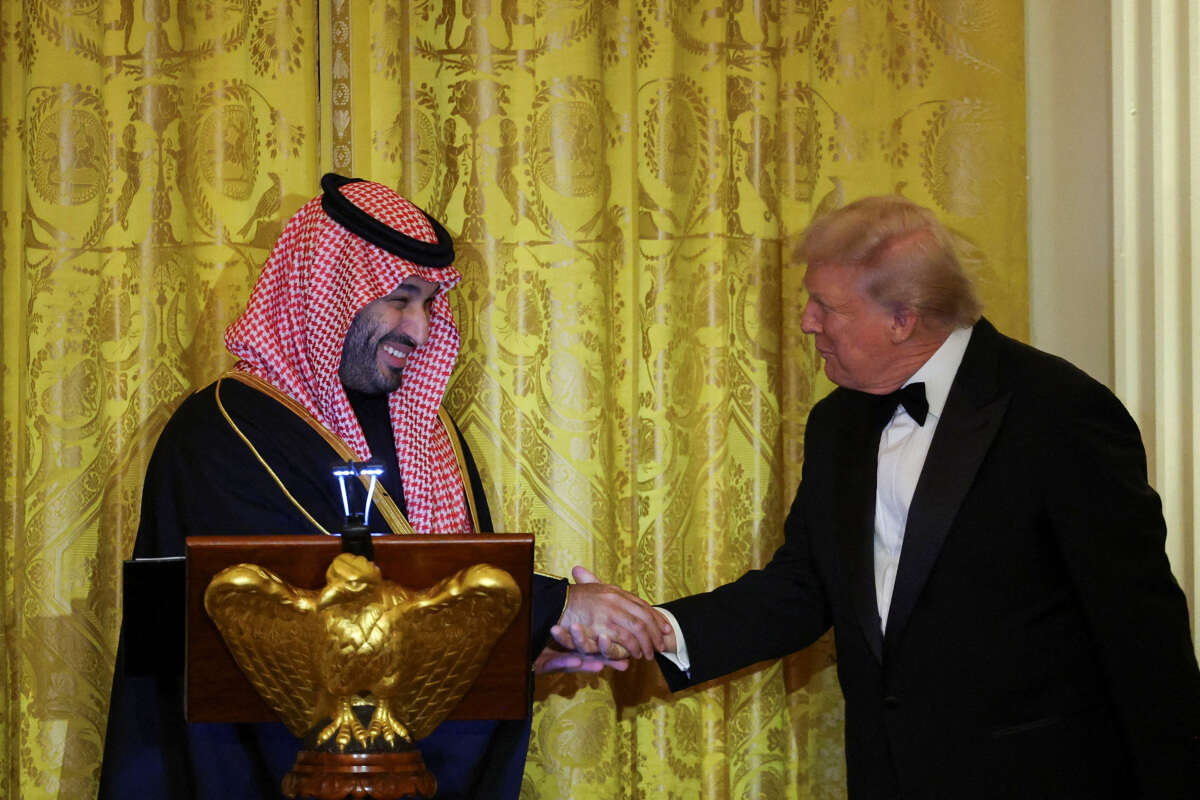
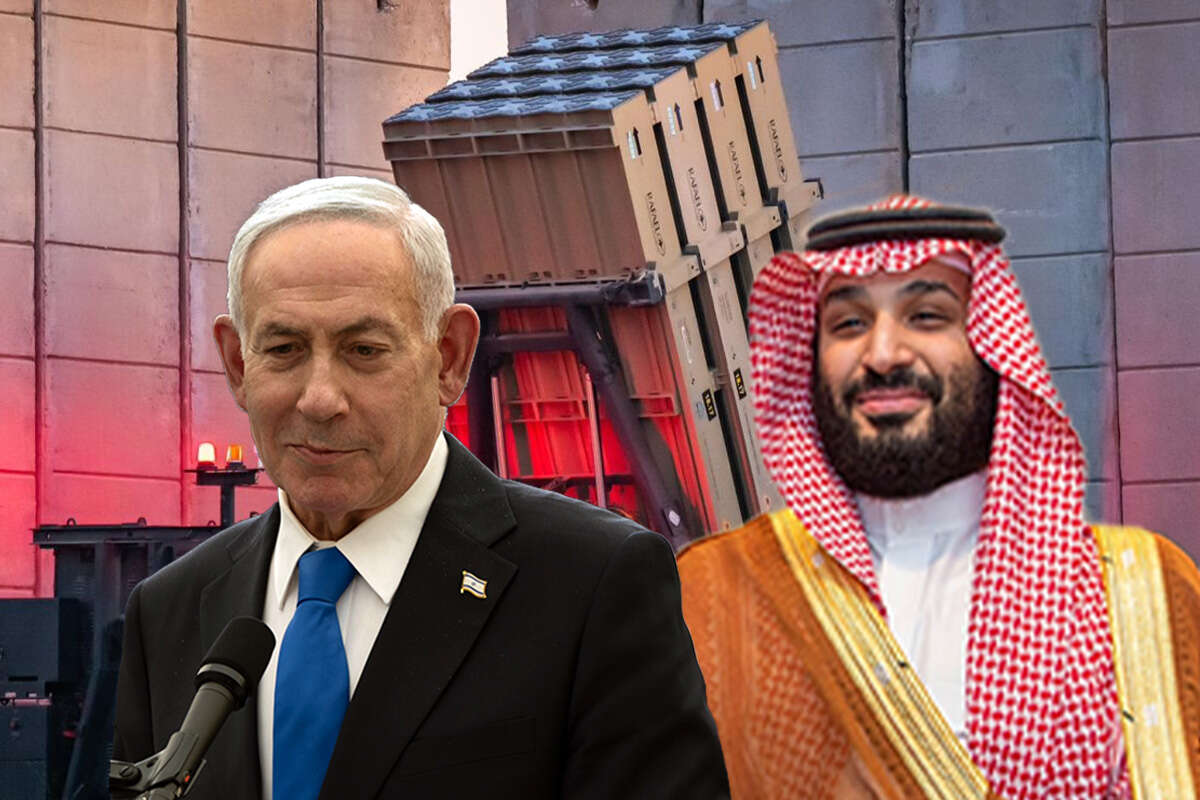
US reports indicate President Donald Trump made a last-minute call to freeze planned military strikes against Houthi positions – operations originally prepared at the urgent request of Saudi Crown Prince Mohammed bin Salman. Administration officials revealed that bin Salman pressed Trump across multiple conversations to intervene, prompting the US president to temporarily set aside prior reservations and authorize strike preparations.
By Sunday afternoon, however, Trump reversed course again, putting the operation on hold even as targets were fully validated and combat aircraft sat ready on runways. The decision reflects Trump's reluctance to open another major military front, despite Houthi attacks on Saudi territory and threats to Bab el-Mandeb driving crude prices higher – a market surge Trump is eager to curb ahead of US midterm elections.
Oil prices settled above $100 per barrel while tanker traffic continued through Hormuz Strait near Iran , accompanied by reassuring public statements from Trump and CENTCOM (US Central Command) Commander Brad Cooper.
Strategic calculus also played a role in the hold. Military analysts warned that tactical strikes would damage Houthi infrastructure without achieving a decisive battlefield defeat. In the interim, Saudi forces have intensified their own bombing runs.
Houthi spokesman Yahya Saree reported that Saudi warplanes conducted dozens of air raids across Taiz, Al-Jawf, and Marib (provinces in Yemen). Houthi figures claim Saudi forces have executed roughly 760 strikes since the latest round of escalation began.
Mahdi al-Mashat, head of the Houthis' Supreme Political Council in Yemen, declared Sunday that the Iran-backed movement is establishing a new doctrine of "blockade for blockade, escalation for escalation." He demanded an immediate end to Saudi naval restrictions, the full reopening of airports and harbors, the return of national resources, and financial reparations from Riyadh.
"Maritime navigation and international trade in the Red Sea and Bab el-Mandeb are safe and will face no threat from Yemen, with the exception of enemy Saudi vessels," he said. He notably stopped short of renewing demands for Saudi Arabia to return border territories acquired during the previous century.
Diplomatic movement between Washington and Tehran may also account for the military hesitation. Qatari Majed al-Ansari Foreign Ministry spokesman Majed al-Ansari stated that Qatari diplomats are shuttling proposals between Iran and the United States, with mediation teams working around the clock to narrow remaining differences.
Al-Ansari confirmed that Qatari envoys are traveling between regional capitals as Doha pushes to resolve the confrontation and guarantee unimpeded navigation through the Strait of Hormuz.
Meanwhile, Pakistan's Interior Minister Mohsin Naqvi was scheduled to travel to Tehran on Monday, according to Iranian semi-official news agency Mehr.
Iranian Foreign Minister Abbas Araghchi will head to Doha for bilateral consultations before flying to New York for the UN General Assembly, according to the Iranian Foreign Ministry. Araghchi will accompany President Masoud Pezeshkian, who is slated to address the Assembly on Wednesday morning.
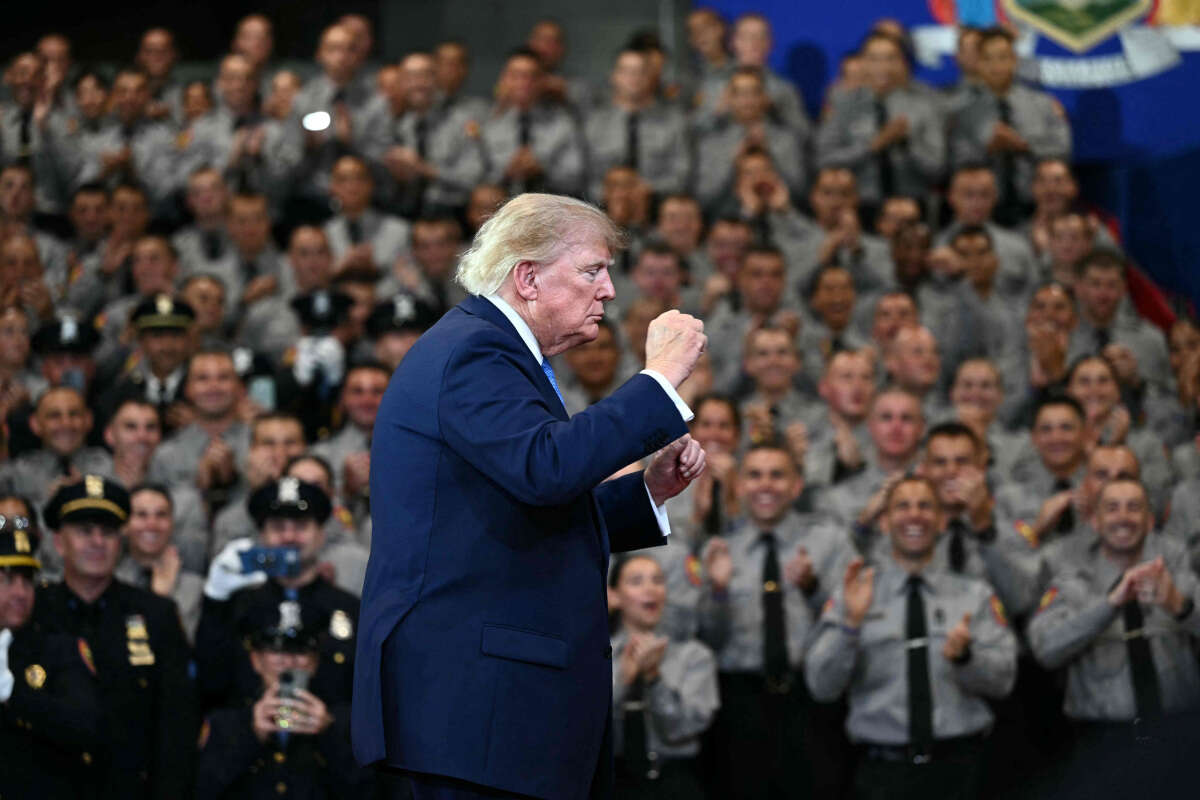
Trump, scheduled to address the UN a day earlier, has left open the possibility of a direct meeting with Pezeshkian. While the Iranian president remains one of the regime's leading advocates for de-escalation and diplomatic engagement – in contrast to hardline Revolutionary Guards commanders – his real leverage within Tehran's power structure remains limited.
Adding friction to the diplomatic summit, Washington refused entry visas for key members of Pezeshkian's delegation, including his official press corps. As a result, the Iranian president will land in New York with a pared-down staff. Habibollah Abbasi, public relations director for the presidency, condemned the visa denial as a "hostile act."