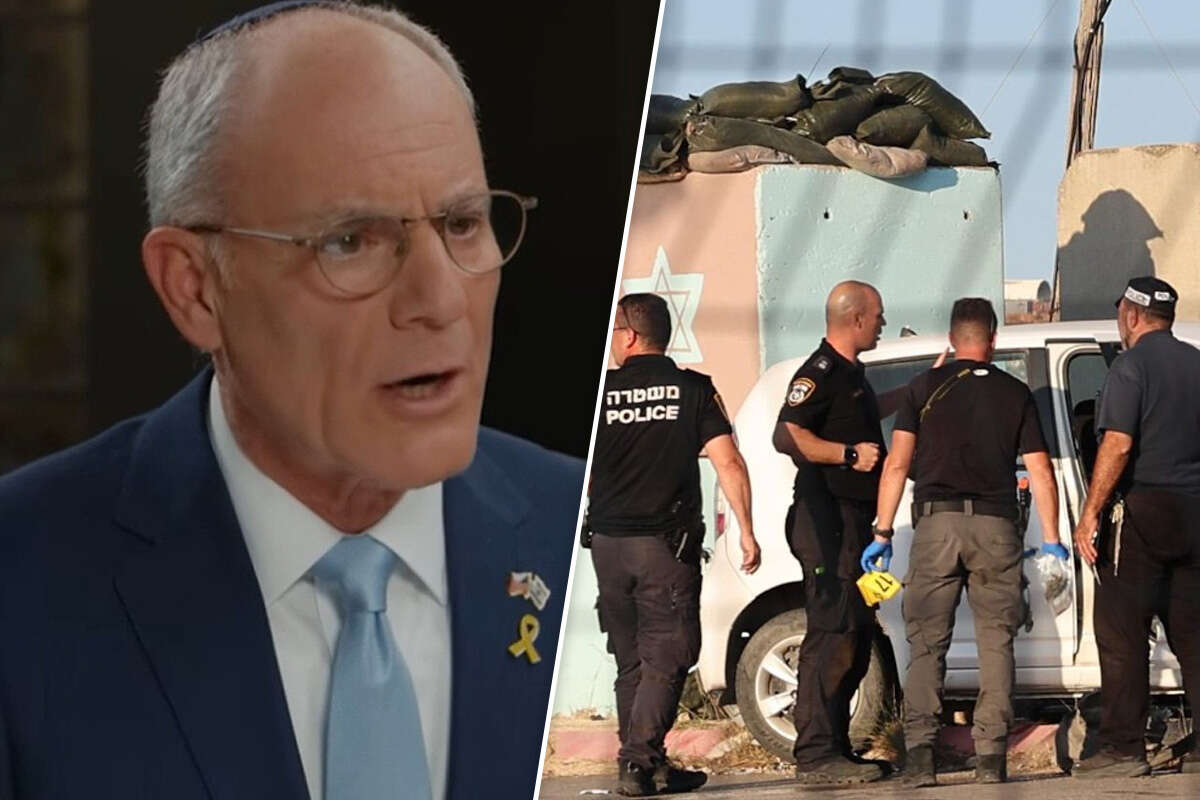
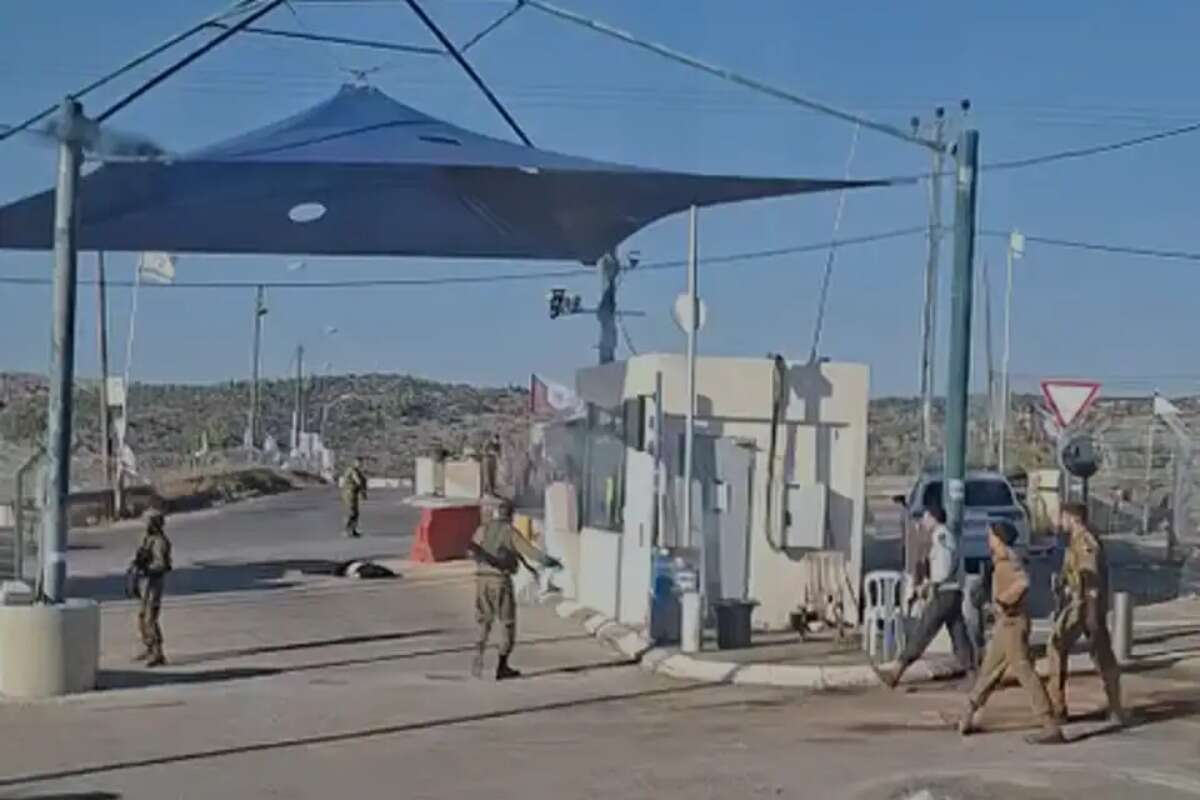
Neria Leiter, the son of Israeli Ambassador to the US Yechiel Leiter, was critically injured Wednesday in a car-ramming terrorist attack on Route 443 near Beit Horon in the Binyamin region.
According to police, a terrorist drove his vehicle toward a Judea and Samaria District Police patrol car in which a policewoman and an IDF soldier were operating as part of a joint mission, deliberately attacking them. Leiter suffered head injuries and was evacuated to Shaare Zedek Medical Center in Jerusalem, where doctors are fighting to save his life. Security forces killed the terrorist at the scene.
Leiter's critical injuries are another tragedy for a family that has already paid the heaviest possible price. Neria's older brother, Maj. (res.) Moshe Yedidya Leiter, may God avenge his blood, was killed in November 2023 in a powerful explosion in Beit Hanoun in the northern Gaza Strip, alongside several other soldiers.
'Neria needs a miracle'
Shortly before, while on his way to Israel, Ambassador Leiter issued an emotional appeal for prayers for his son.
"I am grateful to the IDF, to the medical team at Shaare Zedek who are now fighting to save the life of Neria Dov ben Chana, and for the prayers of the people of Israel," he wrote. "I believe in the power of prayer, and I believe that when the people of Israel unite, miracles happen. Neria needs a miracle."
The ambassador added: "Neria continued to serve in the reserves after losing his older brother, Moshe Yedidya Leiter, of blessed memory. Since October 7th, he has served hundreds of days in the reserves on multiple fronts.
"Palestinian terrorism seeks to uproot the people of Israel from their land. They choose death, we choose life."
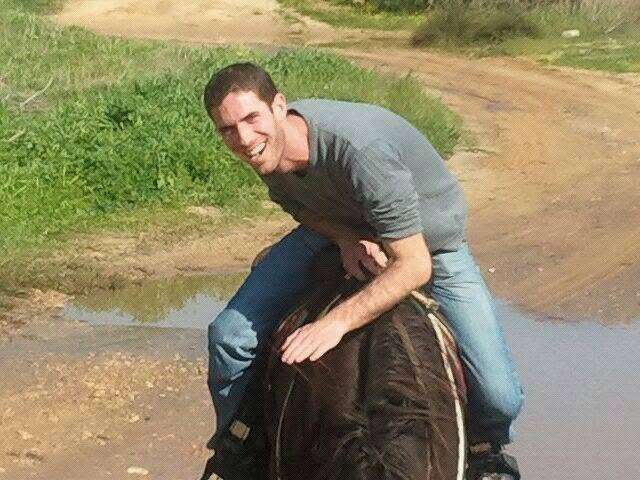
The post from reserve duty
The words of Neria's father, Ambassador Yechiel Leiter, take on added significance in light of a personal post Neria himself published in May, after completing an extended period of reserve duty lasting two and a half months that began with the outbreak of the operation in Iran.
In the post, he wrote about wrestling with the decision to return to reserve duty as a bereaved brother, and about how his sense of mission ultimately outweighed the pain.
"As a bereaved brother, after my brother Moshe was killed in the war, the decision to go back to reserve duty was not simple at all," he wrote. "Something in my heart really did tear apart. But I couldn't stand on the sidelines while my friends were doing tour after tour. Deep down, staying home simply wasn't an option for me."
Leiter, 38, described the hardships of his service in Lebanon: "Two weeks in Lebanon without a shower, with irregular sleep, explosions all around, mud, dust and exhaustion that never ends."
Yet he again emphasized the sense of privilege he felt. "Despite all the hardship, I feel enormously privileged. Privileged to be part of these historic moments. Privileged to be with people who give of themselves without stopping to calculate too much."
He wrote about the diverse group with whom he served: "From the center of the country and the periphery, religious and secular, married with children and single."
What united them all, he wrote, was that "everyone understands that you show up. No complaining. With a spark in their eyes and a desire to do what needs to be done as well as possible. We understood up close why we were there. So that people here can simply live in security."
Moshe Leiter, Neria's late brother, was 39 when he was killed and was a father of six who lived in Ein Tzurim. He had served in the elite Shaldag Unit and was a reserve company commander in the 551st Brigade's 697th Battalion.
Born in Hebron in 1984, he was the first child born to the renewed Jewish community in the city's historic Jewish quarter. Even after completing his regular military service, he continued volunteering for roughly 80 days of reserve duty each year while studying medicine at Ariel University.