For Talia Swersky, making aliyah was not the result of years of planning, but a last-minute decision that ultimately came down to a gut feeling. A former banking executive from Perth, Australia, she had built an established career and independent life and was comfortable where she was.
But against the backdrop of rising antisemitism and growing insecurity for Jews in Australia since October 7, she had begun considering moving abroad.
The United States seemed the most viable option, given its large Jewish community and the friends, support network and professional connections she already had there.
"I had stayed in America for three months and was seriously considering moving there," noted Talia.
Portugal had also been on her radar after an enjoyable vacation there about a year earlier, but a subsequent trip left her less convinced. She wanted somewhere with a stronger Jewish community and a greater sense of belonging.
While back in Perth to celebrate her grandparents birthdays and a friend's wedding, she received an invitation to her cousin's wedding in Israel and something clicked. Just a week and a half later, she was packing up her life in Australia and moving to Tel Aviv.
"It just felt right, I don't know how else to explain it," she said.
Now living in Tel Aviv and still in the process of completing her aliyah, Talia is navigating the challenges of starting over after leaving behind everything she had established in Australia.
"I had built my whole life in Australia. It's not like I was straight out of school," she explained, describing the difference between making aliyah at 18 and arriving after building a career and becoming financially independent. Having already experienced the transition into adulthood, she now finds herself having to start again.
Talia is therefore realistic about the challenges facing new olim. Making aliyah, she believes, requires the right mindset and an understanding that life in Israel will not always be perfect or easy.
A changing reality in Australia
While the opportunities Israel offers were central to Talia's decision to make aliyah, the changing climate for Jews in Australia also played a key role.
When asked whether Australia had changed since October 7 and whether she felt differently about living there, Swersky responded, "definitely."
She said that life in Australia has become increasingly uncomfortable and, at times, frightening for Jews. Growing up, and even a decade ago, she never felt unsafe living there. She had always been openly Jewish and "never thought twice" about telling people about her identity.
Since October 7, however, she has become considerably more cautious and has experienced antisemitism both professionally and socially. She also said that people have treated her differently because of her Jewish identity.
The Bondi Beach massacre brought those concerns even closer to home. Two of her cousins were present during the attack, an experience she described as particularly frightening.
Nevertheless, Talia distinguished between her reasons for leaving Australia and choosing Israel.
"I didn't move here out of fear," she stressed, explaining that the opportunities available in Israel were a much bigger motivation.
'Do you paint and run?'
The opportunities and connections she has found in Tel Aviv and in Israel in general have helped make the transition worthwhile. Through her work and personal life, Talia enjoys meeting new people and has been impressed by how readily Israelis connect and help one another.
A quick phone call or informal conversation with someone she has just met can achieve what might take weeks of arranging a formal meeting in Australia.
"I can literally pick up the phone and call someone for a quick chat," she said.
She also appreciates the warmth and openness of Israelis, who are often happy to help without expecting anything in return. Tel Aviv has proved an especially good fit for her, with its diverse population and young community, where she is building a network of like-minded people.
"I feel like people here have a lot of depth," she noted. "It's not just small talk."
One experience that particularly stood out was attending the Neilah service at Kikar Atarim on Yom Kippur. Hundreds of people from different backgrounds and walks of life gathered together. "The atmosphere there was incredible," she said.

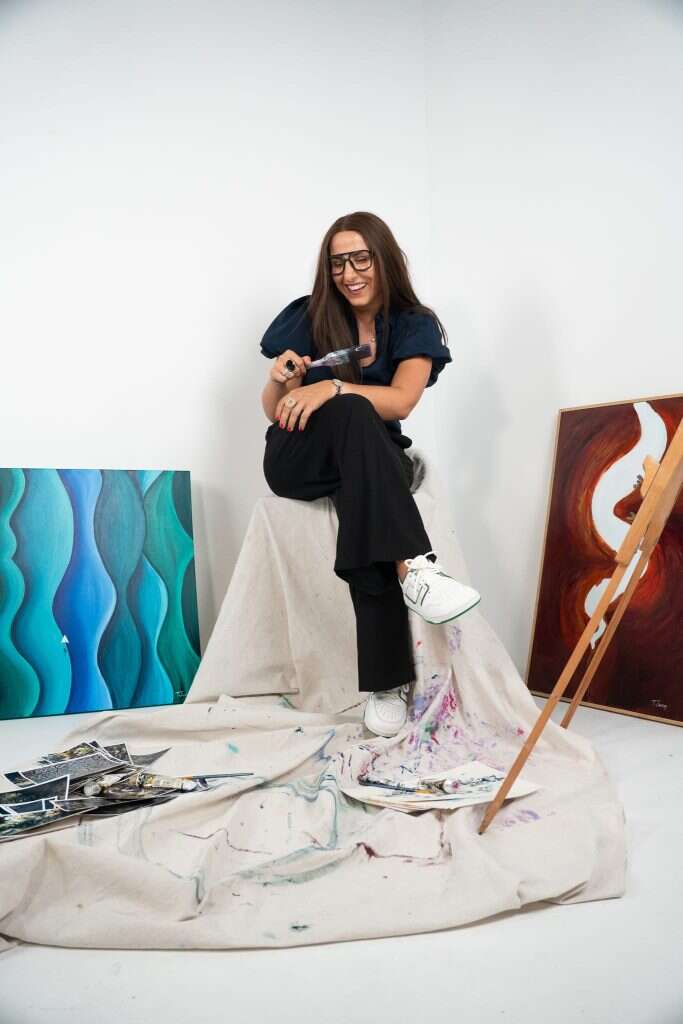
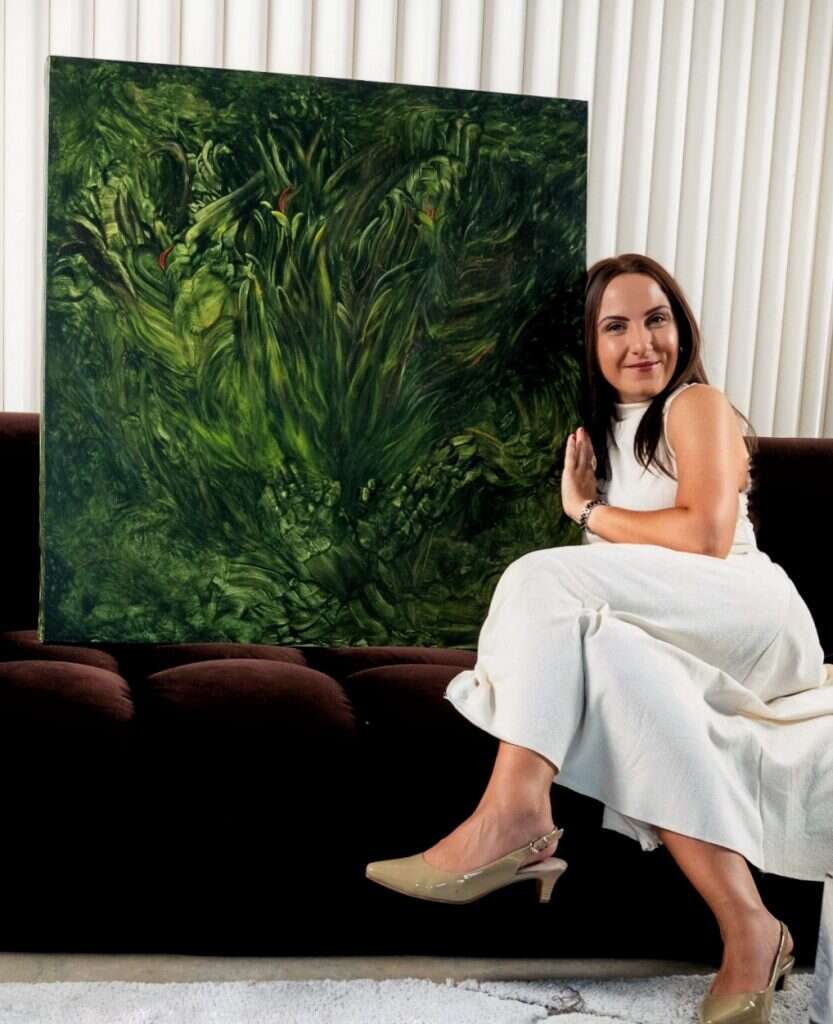
Talia also has a number of interests and professional pursuits she hopes to continue developing in Israel. She is an artist, podcaster and ultramarathon runner, as well as the founder and head coach of Good Money Feels, where she coaches and guides people on making money and building wealth.
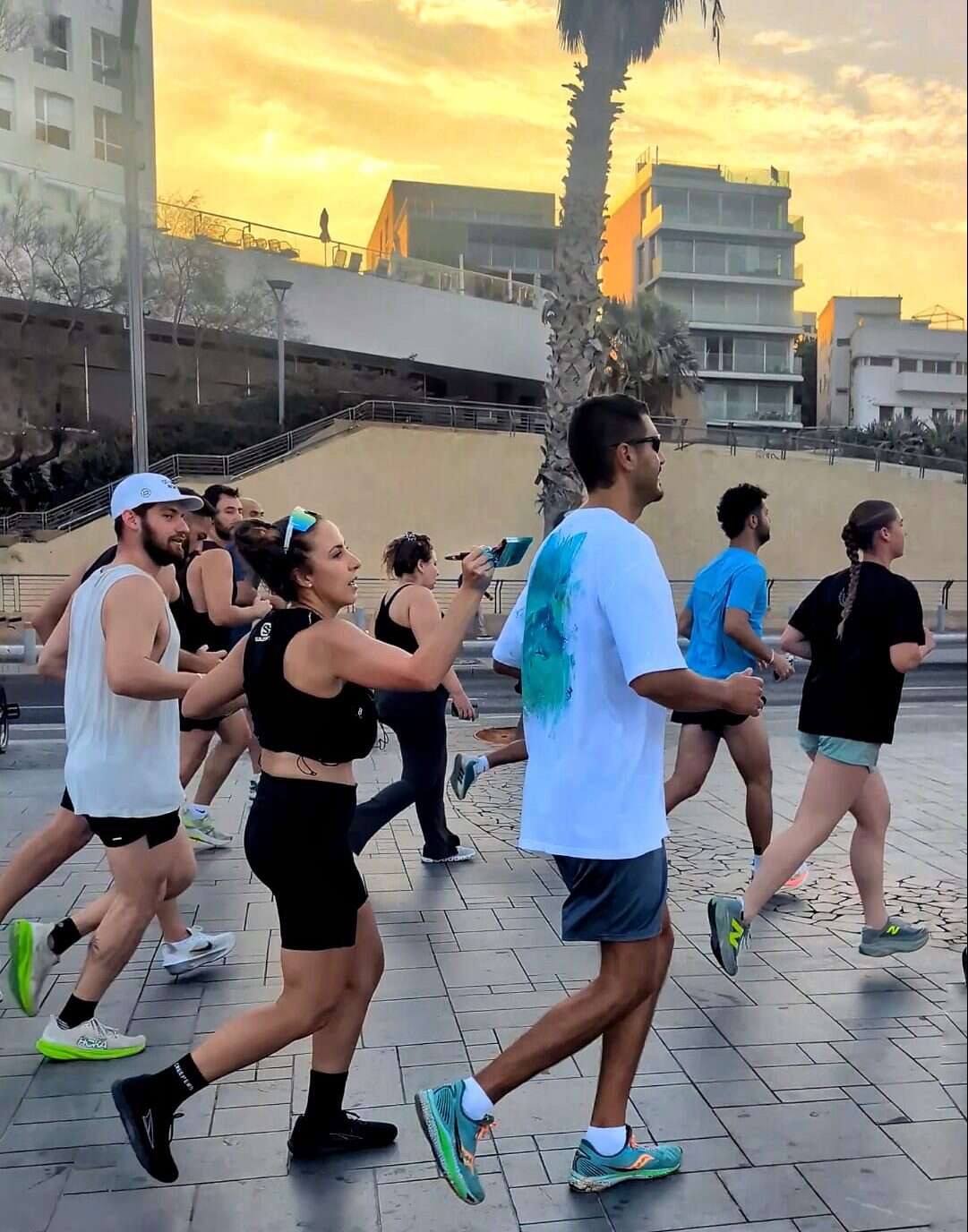
Her creative side has already made an appearance on the Tel Aviv promenade, where she painted a man's T-shirt while he was running along the tayelet. "Someone asked me 'do you paint and run?'" she said.
Although she had never done it before, she was open to trying. The following morning, she found herself painting his T-shirt while they both ran.
Professionally, she is still working out her next move. Having previously worked as a banking executive, she is exploring opportunities in hi-tech or an English-speaking corporate role as she works on improving her Hebrew.
Talia shared that her family were initially hesitant about her decision to make aliyah but have come to understand her reasons. She has even encouraged her parents to consider relocating and believes it might actually be a great experience for them one day.
The adjustment period is still ongoing but Talia is embracing her new life. She loves that there is always something happening in Israel, with people eager to connect and explore new opportunities.
The sense of community and the people she has met have made her feel increasingly at home, and she is excited to see where her new life in Israel takes her.