A subtle but potentially significant change may be emerging in Arab political discourse. It is too early to describe it as an ideological revolution, and there is no evidence that it reflects a majority view. Yet voices once heard only in isolation are gaining greater resonance: Arab states should assume greater responsibility for shaping their own security, sovereignty, and future, rather than allowing non-Arab regional powers to determine the order of the Middle East.
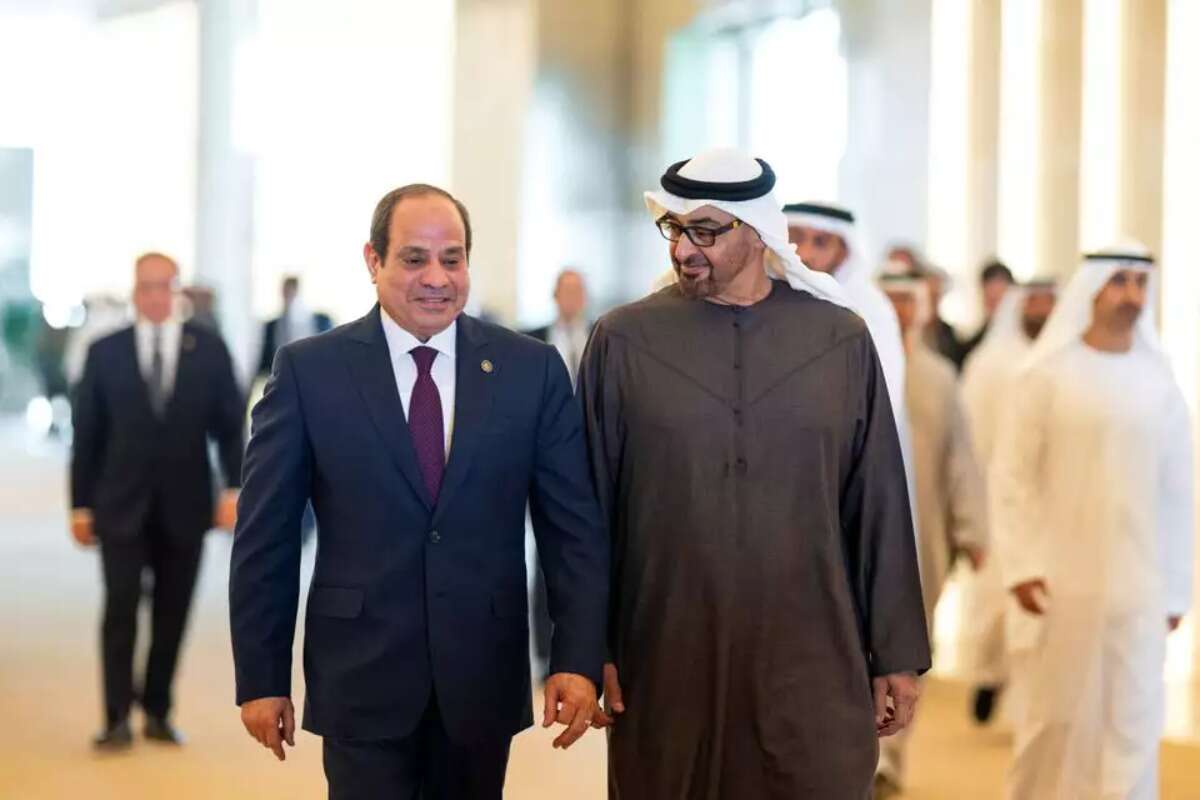
This view is increasingly being expressed by prominent Arab political figures. Former Egyptian Foreign Minister Nabil Fahmy has called for a unified Arab response, stressing that the security of every Arab country forms part of Arab national security as a whole. Egypt's Foreign Minister, Badr Abdelatty, has urged the strengthening of a collective Arab security framework, while Morocco's Foreign Minister, Nasser Bourita, has emphasized the need for cohesion and coordinated Arab action.
Similar arguments are also emerging from Shiite voices in Iraq and Lebanon. In Iraq, Ghiyath al-Tamimi has advocated strengthening the state and civic citizenship against militias and external interference. In Lebanon, Shiite journalist Dima Sadek has sharply criticized Hezbollah and its subordination to Iranian priorities. These voices do not demonstrate a broad Shiite political realignment, but they suggest that criticism of externally directed armed movements is not confined to Sunni governments or Western-aligned observers.
The point is not that the Arab world is uniting against Iran or Turkey. Major Gulf states continue to seek dialogue with Tehran, and many Arab governments have practical reasons to preserve working relations with both powers. The important development may instead be a growing belief that Arabs themselves should be the central actors in organizing the Arab political and security arena.
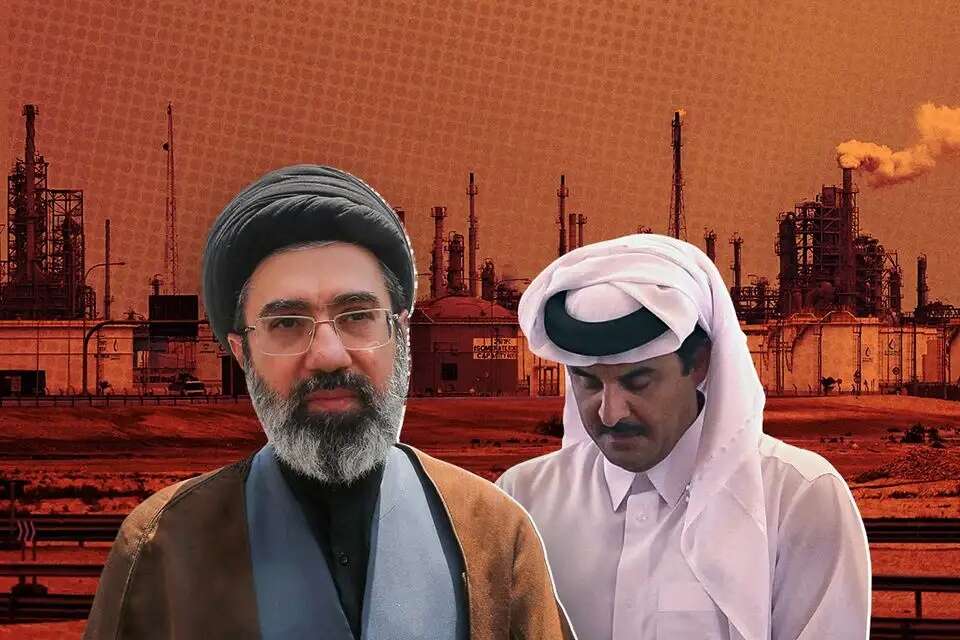
One reason for this change may be the erosion of Iran's regional image. Damage to Hezbollah and other Iranian-linked military structures, combined with severe economic strain and American sanctions, has produced what might be called strategic attrition. Iran remains a powerful and dangerous regional actor. Yet the gap between its threats and its demonstrated capacity—or willingness—to act on them has become increasingly visible.
According to Israeli and regional reporting, an Israeli operation on the Ali al-Tahir ridge in southern Lebanon illustrated this problem. Iran was said to have warned of a severe response should Israel undertake extensive action in the area. Israel nevertheless moved into the area, reportedly destroyed Hezbollah underground infrastructure, and publicized the operation's results. The broad Iranian response that had been anticipated did not materialize.
Turkey, too, faces constraints. It remains an important regional power, but it contends with high inflation, difficult relations with Washington, and military and political limitations. Ankara has offered support to regional partners confronting Houthi threats, while avoiding direct military intervention. Turkey can influence events, but influence is not the same as the ability to provide a reliable regional security umbrella.
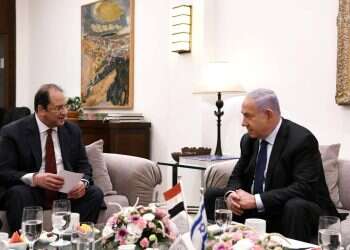
A reported CENTCOM-facilitated meeting in Germany has given this trend symbolic force. It brought together senior commanders from the United States, Israel, Saudi Arabia, the United Arab Emirates, Bahrain, Kuwait, Qatar, Jordan, and Egypt. Some of these countries do not maintain formal diplomatic relations with Israel. Iran and Turkey were not present.
This does not mean that Washington has decided to exclude Turkey from regional diplomacy. Still, the image is striking: the United States, Israel, and several Arab states discussed regional security together while the two main non-Arab powers seeking influence in the Arab sphere remained outside the room.
For Israel, this could be strategically important. Its military, intelligence, and technological capabilities may make it a useful partner for Arab governments confronting common threats. Discussion of a possible future expansion of the Abraham Accords belongs to the same broader strategic context.
It is too early to speak of a new Arab order. Iran and Turkey retain considerable influence, the Arab world remains fragmented, and the Palestinian issue continues to limit open cooperation with Israel. Yet a meaningful change may be beginning: the recognition that Arab security, sovereignty, and destiny must be shaped primarily by Arab states themselves.