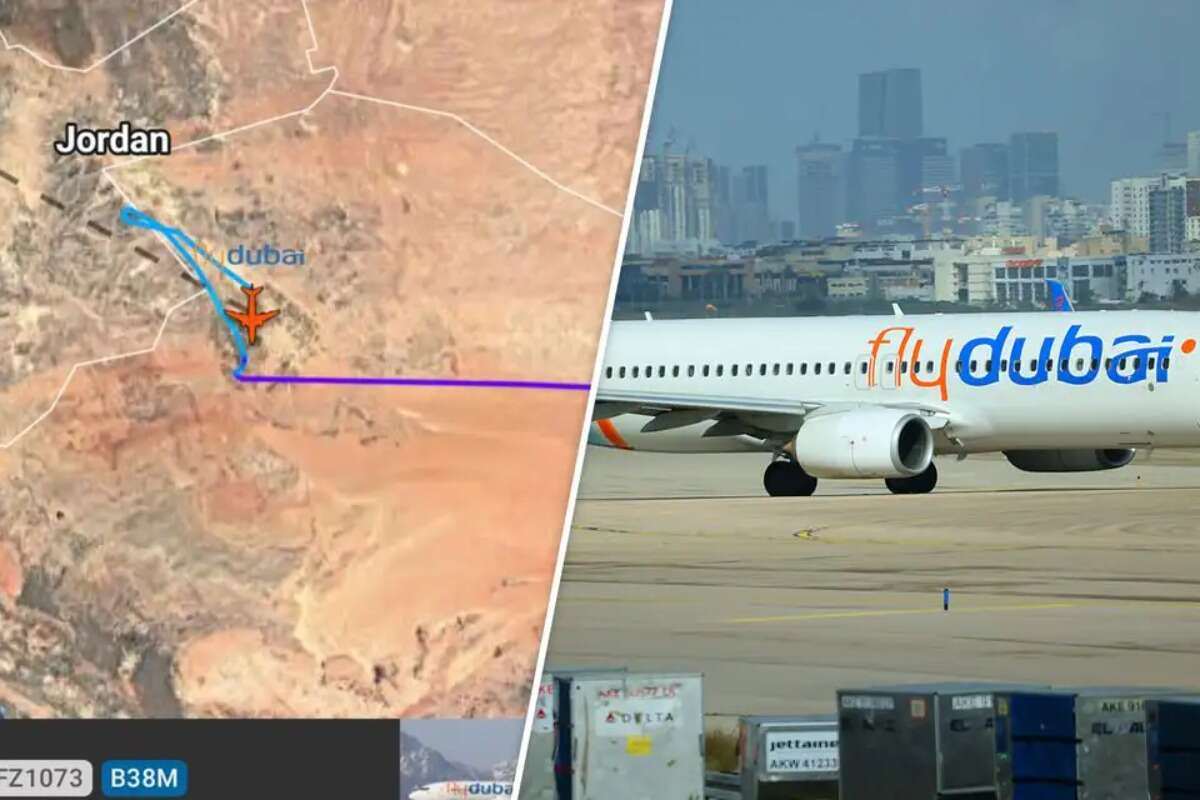
The FlyDubai flight from Dubai to Tel Aviv that was diverted to Saudi Arabia on Wednesday due to a suspected hijacking distress code was likely a terrorist incident, authorities believe. While authorities initially ruled out a hijacking, they discovered the crisis began with a violent brawl between the pilots. Indications now point to an attempted terrorist attack, with Israeli officials have updated that the co-pilot has been designated a terrorist who attempted to crash the plane before being reportedly overpowered by either the either pilot or with the help of the passengers. Saudi authorities are currently interrogating the co-pilot.
The rare incident aboard the Israel-bound flight – where a brutal physical confrontation between the captain and his co-pilot forced an emergency landing in Saudi Arabia – has stunned the global aviation industry.
The flight was expected in Israel at 9:30 a.m. local time, but just after entering Jordan's airspace the plane changed course toward Saudi Arabia, with more than 100 Israelis believed to be on board. The transponder sent squawk code 7700, which signals a general emergency, was sent, followed by code 7500, used to silently signal an aircraft hijacking or other unlawful interference. The plane's landed at around 9:50 a.m. in Saudi Arabia.
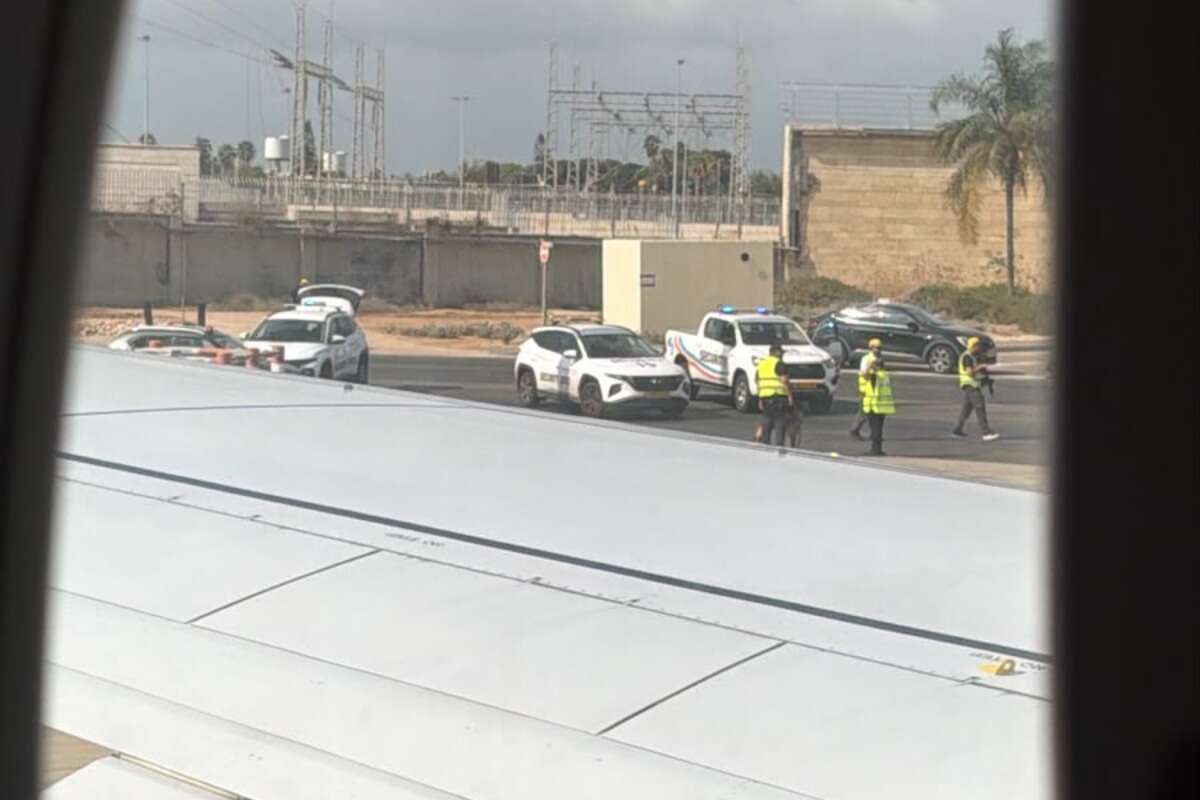
Although the hijacking was the immediate concern, it ultimately transpired that the incident appeared to be of a different kind, with officials eventually growing increasingly confident this was not a security-related incident. After an initial investigation, authorities are convinced that some kind of confrontation between the pilots took place inside the cockpit, potentially with violence being used, and this eventually led to the distress signal being sent, although it is unclear if this was a deliberate measure.
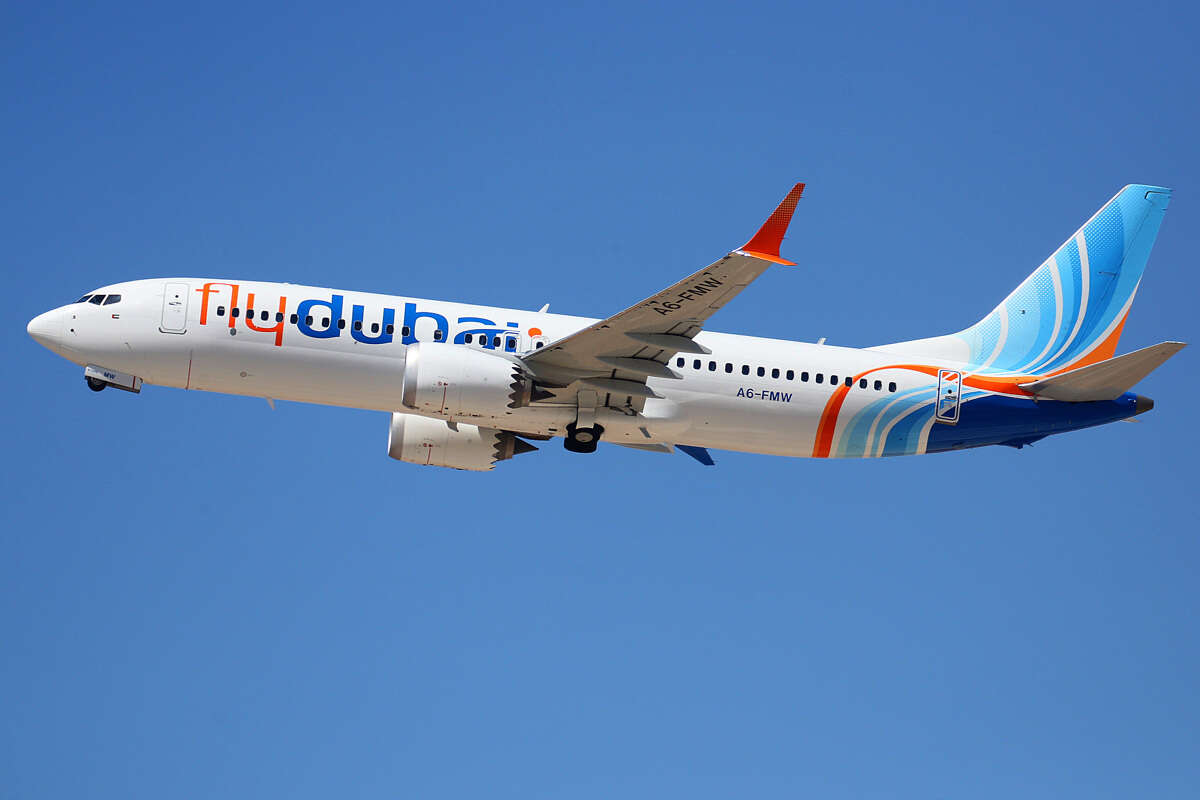
The IAF scrambled fighter jets in response to the incident. The aircraft deviated from its planned route and began circling within Saudi airspace. Ground control lost communication with the plane after it ceased transmitting signals with the transponder but the plane ultimately resumed contact with Saudi aviation authorities. Approximately 180 Israeli citizens were on board the flight.
Video: The flydubai path as seen on airline traffic apps / Credit: Social media
The event unfolded as the aircraft was in a manual descent and executed a U-turn. Furthermore, other FlyDubai flights heading to Amman and Tel Aviv have started utilizing an alternative flight path. Authorities are reviewing the incident, and further details are expected to emerge.

Following the incident, both pilots face severe criminal repercussions. Emirati law defines violence that endangers a flight as an "offense against an aircraft," which carries a lengthy prison sentence and even life imprisonment – a penalty that may also apply to providing false information, if it is proven that the hijacking code was activated knowingly without actual danger.
In addition to the criminal proceedings, the two face strict measures from the regulator. The General Civil Aviation Authority of the United Arab Emirates is authorized to suspend or permanently revoke the flight licenses of those involved, as well as impose a temporary or permanent flight ban on them in the country's airspace.